
Succulent
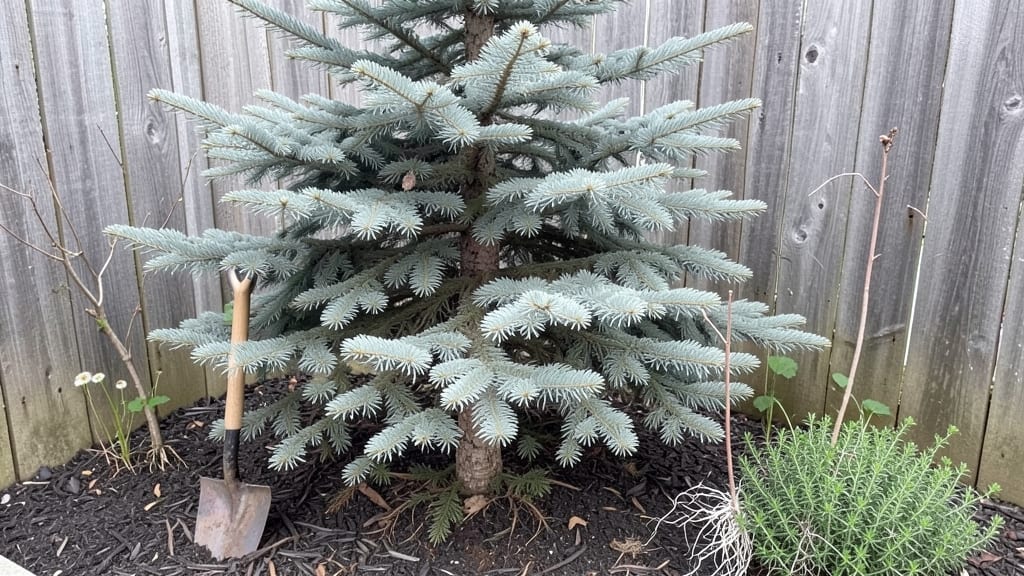
Planting blue spruce trees transforms any yard into a year-round masterpiece—their striking blue-green needles stand out against winter's stark landscape. 🌿 I planted mine last fall, and now it's the centerpiece of my front yard, providing structure when other plants sleep.
The key isn't just sticking a tree in the ground; it's choosing the right spot, prepping the soil, and giving it the space to grow into that majestic shape.
You'll need a sunny location with well-draining soil—blue spruce hate soggy roots—and a hole twice as wide as the root ball. For most varieties, 5-6 feet of spacing between trees ensures they don't crowd each other as they mature.
Digging a trench around the planting area helps with drainage, especially in heavy clay soils. The first year is all about establishing roots, so don't skimp on watering during dry spells, but avoid overwatering once established.
After planting, a 3-inch layer of mulch keeps moisture in and weeds out, but keep it a few inches away from the trunk to prevent rot.
Your blue spruce will reward you with slow, steady growth—1-2 feet per year—and that signature silvery-blue hue that makes it the envy of the neighborhood. The best part? Once established, they're low-maintenance, drought-tolerant, and deer-resistant, meaning less work for you and fewer battles with wildlife.
This works for zones 3-7, though some varieties tolerate colder climates better. In warmer zones, choose a variety like 'Glauca' for better heat tolerance.
Whether you're planting a single specimen or a row for a windbreak, the payoff is a tree that gets more beautiful every year—no dead seasons, just evergreen perfection.
📚 In This Guide
- What you need
- Instructions
- Tips and common mistakes
- Wrapping up and next steps
What you need
- ● Blue spruce sapling: 1–3 plants (choose 1–2 ft tall for faster growth or 3–5 ft for instant impact). Opt for Picea pungens 'Glauca' for classic blue foliage.
- ● Planting hole: Twice as wide and deep as the root ball (use a spade or shovel for digging).
- ● Well-draining soil: Mix 1 part native soil with 1 part compost or peat moss (avoid heavy clay—spruces hate soggy roots!).
- ● Mulch: 2–3 inches of pine bark or wood chips (keep mulch 3–4 inches away from the trunk to prevent rot).
- ● Watering can or hose: With a gentle spray nozzle (blue spruces need 1–1.5 gallons per week in dry spells).
- ○ Gloves & knee pads: (Optional but highly recommended—planting is hands-on work!).
- ● Root stimulator: A mycorrhizal fungi or seaweed-based product to boost root growth.
- ● Slow-release fertilizer: 10-10-10 NPK (sprinkle lightly around the base after planting).
- ● Staking: 2–3 ft bamboo stakes + soft tree ties (for windy areas or young saplings).
- ● Soil test kit: To check pH (ideal: 6.0–7.5) before planting.
- ● Pruning shears: For shaping (best done in late winter or early spring).
Step-by-Step instructions for planting blue spruce trees
Here’s how to plant blue spruce for bold color and lasting structure—no guesswork involved.
🪴 Step 1: Choose the Right Planting Site and Prepare the Hole
Blue spruce thrive in full sun—select a spot with at least 6 hours of direct sunlight daily. They tolerate a range of soil types but prefer well-draining soil with a pH between 6.0 and 7.5. Avoid low-lying areas where water pools, as their roots dislike soggy conditions.
Dig a hole twice as wide as the root ball but only as deep. The top of the root ball should sit 1-2 inches above ground level—this prevents soil from settling and smothering the trunk. Loosen the sides of the hole with a shovel to encourage root spread into the surrounding soil.
🌱 Step 2: Remove the Tree from Its Container and Inspect Roots
Gently squeeze the sides of the container to loosen the root ball before sliding the tree out. If roots are circling tightly (a common issue with container-grown trees), use your fingers to tease them outward. This prevents girdling, where roots strangle the trunk as the tree matures.
Check for any damaged or broken roots—trim these with clean pruners. If the root ball feels dry, soak it in a bucket of water for 10-15 minutes before planting. You’ll know it’s ready when moisture runs freely from the bottom, but the mix doesn’t feel waterlogged.
💧 Step 3: Plant and Backfill with Native Soil
Place the tree in the hole so the root ball sits centered and slightly elevated. Fill the hole with native soil (not amended mix) to avoid disrupting the tree’s natural root-to-soil transition. Tap the soil gently as you add it to remove air pockets, but don’t compact it aggressively—roots need loose soil to penetrate.
Water deeply until the soil settles and the root ball is fully saturated. This helps eliminate air gaps and encourages roots to expand into the surrounding soil. After watering, the soil surface should feel moist 1-2 inches down, but not soggy.
☀️ Step 4: Mulch and Stake for Support (If Needed)
Spread 2-3 inches of mulch (like pine straw or wood chips) over the soil surface, keeping it 6 inches away from the trunk to prevent rot. Mulch conserves moisture and regulates soil temperature, but too much can suffocate the roots. Water again after mulching to settle everything in place.
If your blue spruce is young or top-heavy, stake it temporarily with two stakes positioned diagonally. Use soft ties (like tree straps) to secure the trunk without cutting into the bark. Remove stakes after 1-2 years to avoid dependency on artificial support.
⏰ Step 5: Water and Monitor for the First Growing Season
Water deeply once a week during the first year, ensuring moisture reaches 12 inches down—this encourages deep root growth. You’ll know it’s enough when water drains through the soil profile without pooling. Overwatering is a common mistake; let the top 2 inches of soil dry out between waterings.
Watch for signs of stress, like yellowing needles or stunted growth. These often signal overwatering, poor drainage, or insufficient sunlight. Blue spruce are hardy once established, but young trees need consistent care to develop strong root systems for long-term resilience.
Tips & tricks for planting blue spruce trees
A few strategic adjustments can make all the difference between a thriving blue spruce and one that struggles to establish itself. I've planted dozens of these evergreens, and these are the insights that consistently separate good from great.
Site Selection Secret: The 6 hours of daily sunlight requirement is non-negotiable, but I've learned to look beyond just sun exposure. Test your chosen spot during the winter months—what appears sunny now might be shaded by neighboring trees once they're fully leafed out. Also, consider wind patterns; blue spruce can be top-heavy when young, so avoid exposed, windy locations that could cause swaying and stress.
Root Ball Prep: In Step 2, when you're checking for circling roots, don't just tease them outward—cut through any tight circles with clean pruners. This might seem drastic, but it prevents girdling that can strangle the tree as it matures. The 10-15 minute soak is crucial too: I've seen root balls that appeared moist on the surface but were bone-dry inside. If water runs freely from the bottom after soaking, you're good to go.
Planting Depth: That 1-2 inch elevation above ground level is critical for preventing trunk rot. Use a level to check your depth before backfilling—many people over-plant, which can suffocate the tree. I like to make a small mound of soil first, then place the root ball on top before adding more soil around it. This ensures perfect positioning without guesswork.
Mulching Strategy: The 2-3 inch mulch layer should be your last step after watering, not your first. Wet mulch can create anaerobic conditions that harm roots. Also, consider using a slow-release fertilizer mixed into the backfill soil—this gives young trees a nutrient boost without the risk of over-fertilizing that can come from top-dressing.
Pro Tips for Planting Blue Spruce
- A few strategic adjustments can make all the difference between a thriving blue spruce and one that struggles to establish itself.
- Site Selection Secret: The 6 hours of daily sunlight requirement is non-negotiable, but I've learned to look beyond just sun exposure.
- Root Ball Prep: In Step 2, when you're checking for circling roots, don't just tease them outward—cut through any tight circles with clean pruners.
Frequently asked questions
about planting blue spruce trees—because every gardener deserves clarity before diving in!When is the best time to plant a blue spruce?
The ideal window is early spring or early fall when temperatures are mild (50–70°F). Avoid extreme heat or frost—roots need time to establish without stress. Container-grown spruces can even be planted in late fall if your climate is frost-free.
How far apart should I plant blue spruce trees?
Space them 6–10 feet apart for mature size (30–40 feet tall/wide). For hedges or windbreaks, plant 3–5 feet apart. Check the variety’s growth rate—dwarf cultivars (like 'Glauca Compacta') need less room!
Why is my blue spruce turning brown? What’s wrong?
Brown needles often signal drought stress, sunburn, or pest damage. Check soil moisture (spruces hate soggy roots!) and mulch to retain moisture. If pests like spider mites are culprits, hose off foliage or use neem oil. Never prune brown branches—wait until new growth appears!
Can I plant a blue spruce in a container? How?
Yes! Use a large pot (20+ gallons) with drainage holes and well-draining soil. Repot every 2–3 years and fertilize lightly in spring. Choose dwarf varieties (like 'Glauca Globosa') for best container success. Place in partial shade to avoid heat stress.
Are blue spruces expensive? Where’s the best place to buy?
Prices vary: $50–$200+ for 1–3 ft. trees, with dwarf varieties costing more. Buy from reputable nurseries (local or online) to avoid disease. Check reviews for healthy stock—avoid wilted needles or root-bound pots!
Wrapping up and next steps
Planting a blue spruce is a rewarding way to add year-round beauty and structure to your landscape. With the right location, soil prep, and care, these stunning evergreens thrive for decades—offering color, texture, and seasonal interest.
Whether you’re a beginner or a seasoned gardener, their resilience and low-maintenance nature make them a perfect choice for any outdoor space. 🌲✨
Ready to get started? Pick your spot, gather your supplies, and plant with confidence! Your future shade, privacy screen, or focal point is just a few steps away—dig in and enjoy the process!