
Transplanting
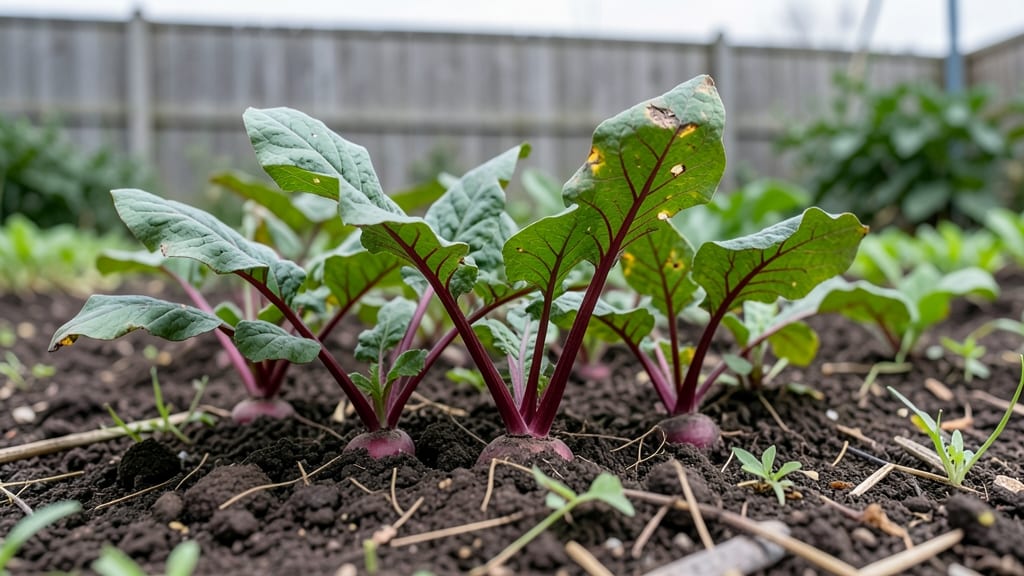
Planting beetroot seedlings the right way means the difference between lush, sweet harvests and stunted, bitter roots.
I’ve learned that skipping the harden-off process or rushing the transplant can leave seedlings struggling—until I adjusted my timing and soil prep, and suddenly my beet greens were thriving alongside those plump, glossy roots.
The key lies in patience and preparation, not just sticking seedlings in the ground and hoping for the best.
You’ll need a sunny spot with loose, well-draining soil rich in organic matter—think compost mixed into the top 6 inches. Beetroots hate soggy roots, so if your soil stays damp for more than a day after rain, amend it with sand or perlite.
Space seedlings 12 inches apart in rows 18 inches apart to give them room to spread. Plant them just deep enough so the soil line on the stem sits at ground level; any deeper and they’ll rot.
Water gently but thoroughly right after planting, then keep the soil consistently moist—never soggy—until the seedlings establish. Mulch with straw or grass clippings to retain moisture and suppress weeds. Within 3-4 weeks, you’ll see those first broad, vibrant leaves signaling strong growth.
The real payoff comes when you harvest: tender greens all season and sweet, earthy roots by late summer.
Here’s where most gardeners trip up: transplanting too early or in hot weather. Wait until nighttime temperatures stay above 50°F and days are mild—spring or early fall works best in most zones. If your seedlings look leggy or pale, they need more light before going outside.
And avoid overcrowding; beetroots need space to develop their signature round shapes. With these adjustments, you’ll go from anxious beginner to confident grower in one season.
📚 In This Guide
- What you need
- Instructions
- Tips and common mistakes
- Wrapping up and next steps
What you need
- ● Beetroot seedlings: 10–20 healthy, disease-free seedlings (adjust based on your garden size). Look for uniform size and vibrant green leaves.
- ● Garden bed or containers: For in-ground planting: A loose, well-draining soil bed (6–12 inches deep) with full sun exposure (6+ hours/day).
- ● For container gardening: At least 5-gallon pots (1 seedling per pot) or a raised bed (12" deep) with drainage holes.
- ● Organic compost or fertilizer: 1–2 cups of balanced fertilizer (10-10-10) or compost per square foot of bed to enrich the soil.
- ● Watering can or hose with a gentle spray nozzle: For deep but controlled watering (avoid soggy soil!).
- ● Gloves and hand trowel: To protect hands and gently handle seedlings.
- ○ Mulch (optional but recommended): Straw or shredded leaves to retain moisture and suppress weeds.
- ● Seedling hardening-off kit: A shade cloth (30–50%) to gradually acclimate seedlings to outdoor conditions over 7–10 days.
- ● Plant labels: Wooden or biodegradable tags to mark rows and track varieties.
- ● Epsom salt (1 tbsp/gallon): A foliar spray for extra magnesium and sulfur boost.
- ● Compost tea or seaweed extract: To strengthen root growth and improve transplant shock resilience.
- ● Knee pad or small stool: For comfortable kneeling during planting.
Instructions for planting beetroot seedlings in the garden
Beetroot thrives when transitioned carefully from indoor starts to outdoor conditions.
Choose the Right Time and Location
Select a sunny spot with 6-8 hours of direct sunlight daily—beetroots need warmth to develop their sweet, tender roots. I always wait until two weeks after the last frost date when soil temperatures reach at least 50°F. Test your soil by pressing your finger into it; if it feels cool and damp but not soggy, it’s ready.
Beetroots prefer loose, well-draining soil with a pH between 6.0 and 7.0. If your garden soil is heavy clay, amend it with 2-3 inches of compost mixed into the top 6 inches of soil. This improves drainage and prevents root deformities. Avoid fresh manure—it can cause forking or misshapen roots.
Prepare the Soil and Planting Site
Mark your planting area with stakes or string to create rows 12 inches apart. Beetroot seedlings need space to spread—crowding leads to competition and stunted growth. Use a garden fork or trowel to loosen the soil to a depth of 12 inches, breaking up any compacted layers.
Create small holes ½ inch deep—just enough to cradle the seedlings without burying the stems. Space each hole 3-4 inches apart in the row. If you’re planting 4 seedlings, you’ll need a 12-inch-wide row with 12-16 holes total. Gently firm the soil around each hole to eliminate air pockets that could stress the roots.
Transplant Seedlings with Care
Water the seedlings 24 hours before transplanting to reduce shock. Handle them by the leaves, not the stems, to avoid damaging the delicate root systems. Slide each seedling into its hole, ensuring the soil line matches the original pot level—burying the stem too deeply causes rotting, while planting too shallowly stunts growth.
Fill the hole with soil and press lightly around the base to secure the plant. Avoid compacting the soil too firmly, as this restricts root expansion. Immediately water each seedling with ½ cup of water to settle the soil and eliminate air gaps. Mulch the area with 1 inch of straw or shredded leaves to retain moisture and suppress weeds.
Harden Off Seedlings Gradually
If your seedlings were started indoors, they need 7-10 days of hardening off before full exposure to outdoor conditions. Begin by placing them in a shaded, sheltered spot (like under a porch or beneath a cloth) for 1-2 hours on the first day. Gradually increase their outdoor time by 1 hour daily, moving them to sunnier locations as they adapt.
Watch for wilting or yellowing leaves—these are signs of stress. If you notice this, reduce their exposure and water lightly. Once seedlings tolerate full sun for 4-6 hours without wilting, they’re ready for permanent planting. This gradual process strengthens their cell walls and improves drought resistance.
Maintain for Optimal Growth
Water beetroots deeply 1-2 times per week, ensuring the soil stays consistently moist but not waterlogged. The top 1-2 inches of soil should feel damp to the touch—dryness causes roots to become tough and woody. Avoid overhead watering, which can spread disease; instead, water at the base using a soaker hose or drip irrigation.
Thin seedlings to 3-4 inches apart once they reach 2 inches tall, keeping the strongest, most vigorous plants. Harvest young greens as needed, but leave the roots in the ground if you’re growing for mature beets. Monitor for pests like leaf miners or aphids—remove affected leaves immediately and treat with neem oil if necessary. With proper care, your beetroots will mature in 50-60 days.
Tips & tricks for planting beetroot seedlings
These essential strategies will help you avoid common pitfalls and give your beetroot seedlings the best possible start in the garden.
Soil Temperature Matters: The 50°F soil temperature threshold in Step 1 is non-negotiable for successful transplantation. Cold soil slows root growth and makes seedlings more susceptible to disease. I recommend using a soil thermometer to verify temperature, especially in early spring or late fall plantings. If your soil is below 50°F, wait an additional week or use black plastic mulch to warm the soil faster.
Harden-Off Strategy: The 7-10 day hardening process in Step 4 is where most beginners make mistakes. I've seen seedlings completely stressed by rushing this process—look for gradual acclimation as the key. Start with just 1-2 hours of shade on Day 1, then increase exposure by 1 hour daily. Watch for leaf curling or yellowing as stress signals; if you see these, reduce exposure and water lightly to help recovery.
Transplanting Technique: When handling seedlings in Step 3, I can't emphasize enough how critical it is to water them 24 hours before transplanting. This reduces shock by ensuring roots are hydrated. As you're planting, maintain the same soil line as in their original pots—burying stems too deeply causes rotting, while planting too shallowly stunts growth. A simple trick is to draw a line with a pencil on the pot before transplanting to mark the original soil level.
Post-Planting Care: The 1-2 inches of mulch mentioned in Step 3 serves multiple purposes beyond moisture retention. It also regulates soil temperature and suppresses weeds, which compete with young seedlings. I recommend using straw rather than wood chips, as wood chips can draw nitrogen from the soil and potentially stunt growth. Apply mulch immediately after planting while the soil is still moist to help it settle properly.
Pro Tips for Planting Beetroot Seedlings
- These essential strategies will help you avoid common pitfalls and give your beetroot seedlings the best possible start in the garden.
- Soil Temperature Matters: The 50°F soil temperature threshold in Step 1 is non-negotiable for successful transplantation.
- Harden-Off Strategy: The 7-10 day hardening process in Step 4 is where most beginners make mistakes.
Frequently asked questions
Got questions about planting beetroot seedlings? You’re not alone! Here are answers to the most common concerns—from timing to troubleshooting—to help you grow a thriving patch of these earthy, nutrient-packed veggies.
When is the best time to plant beetroot seedlings outdoors?
Transplant beetroot seedlings after the last frost when soil temperatures are at least 50°F (10°C). Aim for early spring or late summer (for fall harvests). Beetroots are frost-tolerant, but avoid planting when nighttime temps drop below 40°F (4°C)—they’ll bolt or develop woody roots.
How long does it take for beetroot seedlings to mature after transplanting?
With proper care, beetroot seedlings typically mature in 50–70 days after transplanting, depending on the variety. Baby beetroots (like ‘Detroit Dark Red’) can be harvested in 30–40 days, while larger roots take longer. Check soil moisture and watch for leaf color changes—deep green means they’re ready!
What if my beetroot seedlings look leggy or weak after transplanting?
Leggy seedlings often mean they need more light or nutrients. Hardening off properly (gradually exposing them to sun/wind) and spacing them 3–4 inches apart can help. If soil is poor, mix in compost before planting. Avoid overwatering—wet roots rot, while dry ones turn woody.
Can I plant beetroot seedlings in containers, or do they need a garden bed?
Yes! Beetroots thrive in containers at least 6–8 inches deep with well-draining soil. Use a deep pot (like fabric grow bags) for larger varieties. Just ensure they get 6+ hours of sun daily and keep soil consistently moist. Containers warm up faster, so start them indoors 4–6 weeks before the last frost.
Why are my beetroot seedlings attracting pests like flea beetles or aphids?
Flea beetles and aphids love young beetroot leaves. Prevent damage with row covers (until plants are established) or neem oil sprays. Remove heavily infested leaves and encourage beneficial insects like ladybugs. Healthy seedlings with strong foliage resist pests better—keep soil rich and water evenly!
Wrapping up and next steps
You’ve got all the tools and know-how to successfully harden off and plant your beetroot seedlings—now it’s time to roll up your sleeves and watch your garden flourish! 🌱 With patience, proper spacing, and a little TLC, your beetroot will reward you with vibrant, nutrient-packed harvests. Next up? Keep an eye on soil moisture, protect young plants from pests, and soon, you’ll be enjoying homegrown goodness straight from your garden.
Happy planting—your future salads are about to get a whole lot tastier! 🥕✨