
Pruning
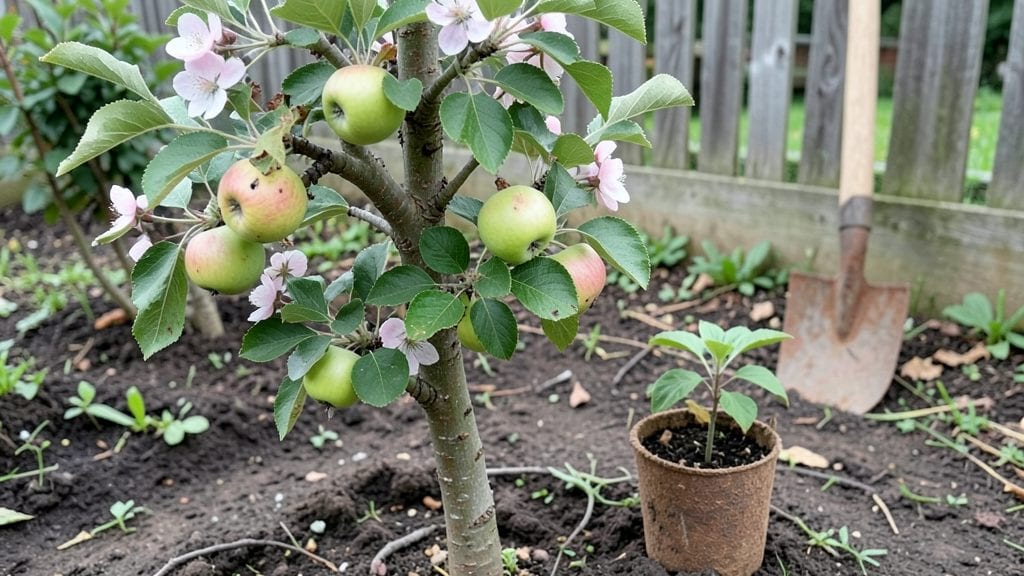
Planting an apple tree in the right zone means the difference between a thriving orchard and a sad, frost-nipped sapling. 🌱 The USDA map isn’t just lines on paper—it’s your first clue about which varieties will survive your winters and ripen properly in your summers.
I’ve learned that hardiness zones explain why 'Honeycrisp' thrives in my Zone 5 yard while my neighbor’s Zone 8 'Fuji' trees produce sweeter fruit because of their longer growing season.
Start by checking your zone on the USDA map, but don’t stop there—microclimates matter just as much. A south-facing slope in Zone 4 might be warm enough for varieties rated for Zone 5, while a low-lying area could push you back a zone.
Sun exposure, wind patterns, and even nearby water bodies shift the rules. For example, my backyard’s windbreak of evergreens adds 2-3 degrees of frost protection, letting me plant a variety that’s technically one zone too tender.
Once you’ve matched your zone to the right tree, focus on frost dates and last-spring frosts—these determine when to plant and which varieties will set fruit. Early bloomers like 'McIntosh' need protection in colder zones, while late varieties like 'Gala' handle heat better.
The payoff? A tree that produces fruit reliably for decades, with flavors and textures that match your climate’s unique growing conditions.
For gardeners outside their tree’s ideal zone, mulching, windbreaks, and even choosing dwarf varieties can stretch those boundaries. A thick layer of wood chips insulates roots in winter, while a well-placed fence blocks harsh winds.
The key is observing your yard’s quirks—what works for one Zone 6 garden might fail in another just a few miles away. That’s why I always cross-reference the USDA map with real-world growing reports from local orchards.
📚 In This Guide
- What you need
- Instructions
- Tips and common mistakes
- Wrapping up and next steps
What you need
- ● Apple tree sapling: Choose a variety suited to your USDA planting zone (e.g., Honeycrisp, Fuji, or Granny Smith). Ensure it’s disease-resistant and bare-root or potted.
- ● Shovel: A round-point or digging shovel (18–24 inches wide) for planting.
- ● Garden fork: To loosen compacted soil.
- ● Compost or well-aged manure: 5–10 gallons, mixed with native soil for nutrient-rich backfill.
- ● Mulch: 2–3 inches of wood chips or straw (keep 6 inches away from the trunk).
- ● Staking supplies (if needed): 2–3 wooden stakes (4–6 ft tall) + twine or tree ties for young, top-heavy trees.
- ● Pruners: Bypass pruners (for clean cuts) or a hand saw for thicker branches.
- ● Watering can or hose: With a gentle spray nozzle to avoid soil erosion.
- ● Soil test kit: To check pH (ideal: 6.0–7.0) and amend as needed.
- ● Tree guard or cage: To protect young trees from deer or pests.
- ● Slow-release fertilizer: Balanced 10-10-10 or organic options like fish emulsion.
- ● Root stimulator: A powder or gel to encourage root growth.
- ● Gloves & knee pads: For comfort during planting.
How to select the perfect apple tree planting zone for your climate
Your apple tree's success starts with matching it to the right growing zone.
🌱 Step 1: Locate Your USDA Plant Hardiness Zone
Start by finding your exact zone using the USDA Plant Hardiness Zone Map—this determines which apple varieties will thrive year-round. Most home gardeners fall between zones 4-9, but check your specific location for precision. I always double-check by entering my ZIP code on the official USDA website, as zones can shift by just a few miles.
Look for the intersection of two zone lines on the map—this shows your microclimate. For example, if you're in zone 6a, you'll need cold-hardy varieties like 'Liberty' or 'Enterprise'. Warmer zones like 8b-9a support heat-tolerant types like 'Anna' or 'Dorsett Golden'.
☀️ Step 2: Match Varieties to Your Zone's Temperature Range
Apple trees need 100-1,000+ chill hours (below 45°F) to set fruit properly. Check your zone's average winter lows—if you're in zone 5a, your tree must handle -20°F without bud damage. I always cross-reference the USDA zone with my local weather station data for extra accuracy.
For example, 'Honeycrisp' thrives in zones 3-7 but struggles in 8+ due to heat stress. If you're in zone 9a, look for low-chill varieties like 'Ein Shemer' that need only 300-400 chill hours. Plant tags often list both zone ranges and chill hour requirements.
💧 Step 3: Consider Microclimates Within Your Zone
Your yard's specific conditions matter more than the zone alone. South-facing slopes warm up faster, while north-facing areas stay cooler—this can shift your effective growing zone by 1-2 degrees. I always scout my planting spot for 2 weeks in winter to observe frost pockets and sun exposure patterns.
If your zone borders two ranges (like 6a/6b), test both varieties in sheltered and exposed areas. A south-facing wall can add 5°F warmth, while a low-lying area might drop 10°F colder than the zone average. Use this data to adjust your selection—sometimes a zone 7a variety performs better in a sheltered microclimate than a native 6b type.
⏰ Step 4: Plan for Long-Term Climate Trends
Climate change is shifting zones upward by 1-2 zones in some regions. Check if your zone has been reclassified in the last 5 years—many nurseries now list "historical" vs. "current" zones. I always ask local extension offices for updated recommendations, as they track regional shifts.
If you're in a transition zone (like 7a/7b), consider dwarf rootstocks—they're more adaptable to temperature fluctuations. For example, a 'Gala' on M.9 rootstock handles heat better than one on MM.111. Plant two varieties with different chill requirements to hedge your bets as winters warm.
Tips & tricks for perfect apple tree planting zones
Finding the right planting zone for your apple tree isn't just about the map—it's about understanding how to use that information for a thriving orchard.
Zone Map Nuances: Don't just rely on the USDA zone map alone. Many nurseries now provide updated "current" zones that account for climate shifts. I always cross-reference with local extension office data—they often have microclimate adjustments that aren't on the standard map. For example, urban areas can be 2-3°F warmer than rural zones due to heat islands.
Chill Hour Reality Check: The 100-1,000+ chill hours requirement is crucial, but don't assume all varieties within your zone will work. Some modern varieties like 'Cosmic Crisp' need fewer chill hours than traditional apples. Always check plant tags for exact chill hour requirements—this can save you from planting a tree that won't fruit properly in your specific microclimate.
Microclimate Scouting: Before you buy your tree, spend 2 weeks observing your planting spot during winter. Note where frost collects (low areas), where wind funnels (exposed spots), and where sun hits earliest (south-facing slopes). I've seen zone 6b trees thrive in sheltered microclimates that would normally be too cold for them. Consider planting a test tree in your warmest microclimate first if you're unsure.
Rootstock Adaptability: When in transition zones (like 7a/7b), choose dwarf rootstocks like M.9—they're more flexible with temperature changes. I've had 'Gala' trees on M.9 rootstock produce fruit in zone 7a when standard rootstocks failed. This is especially helpful if you're hedging your bets between two zone varieties. The smaller size also makes them easier to protect during unexpected cold snaps.
Pro Tips for Apple Tree Planting Zones
- Finding the right planting zone for your apple tree isn't just about the map—it's about understanding how to use that information for a thriving orchard.
- Zone Map Nuances: Don't just rely on the USDA zone map alone.
- Chill Hour Reality Check: The 100-1,000+ chill hours requirement is crucial, but don't assume all varieties within your zone will work.
Frequently asked questions
Got questions about planting apple trees in the right zones? You’re not alone! Here are answers to the most common concerns—whether you’re a first-time gardener or a seasoned orchard keeper.
What does “USDA Planting Zone” mean for my apple tree?
The USDA Planting Zone map categorizes regions by average minimum winter temperatures. Apple trees thrive best in Zones 3–9, but specific varieties (like Honeycrisp or Granny Smith) have ideal zones. Check the map for your zone to pick cold-hardy or heat-tolerant cultivars!
When is the best time to plant an apple tree in my zone?
Plant in early spring (after last frost) or fall (6–8 weeks before first frost). Spring planting gives roots time to establish before summer heat, while fall planting avoids drought stress. Pro tip: Bare-root trees plant best in winter dormancy (late fall).
Can I grow apple trees in containers if my zone isn’t ideal?
Yes! Dwarf varieties (like Columnar or Semi-Dwarf) thrive in 5–15 gallon pots with well-draining soil. Move containers to a sunny spot in summer and protect from frost in winter. Just ensure they get 6–8 hours of sunlight daily for fruit production.
Why did my apple tree’s leaves turn brown in Zone 5? Is it the wrong zone?
Brown leaves often signal fungal diseases (like apple scab) or pests (aphids/mites), not just zone mismatches. Improve airflow, prune for sunlight, and apply organic fungicides. If your zone is correct but the tree struggles, it might need mulch or winter protection (e.g., burlap wraps).
Do I need two apple trees for fruit, or can one pollinate itself?
Most apple trees are self-unfruitful and need a pollinator (another tree blooming at the same time). Check labels for “self-pollinating” varieties like Anna or plant two compatible types (e.g., Gala + Honeycrisp) within 50–100 feet.
Wrapping up and next steps
Planting an apple tree is a rewarding journey—one that starts with understanding your USDA planting zones to ensure your orchard thrives! 🌱 Whether you're a seasoned gardener or a beginner, choosing the right zone for your climate sets the foundation for healthy growth, delicious fruit, and years of enjoyment.
Now that you’re equipped with the knowledge, take the next step: visit your local nursery, gather supplies, and mark your calendar for planting season!
Your future orchard is waiting—let’s make it flourish! 🍏✨