
Lawn
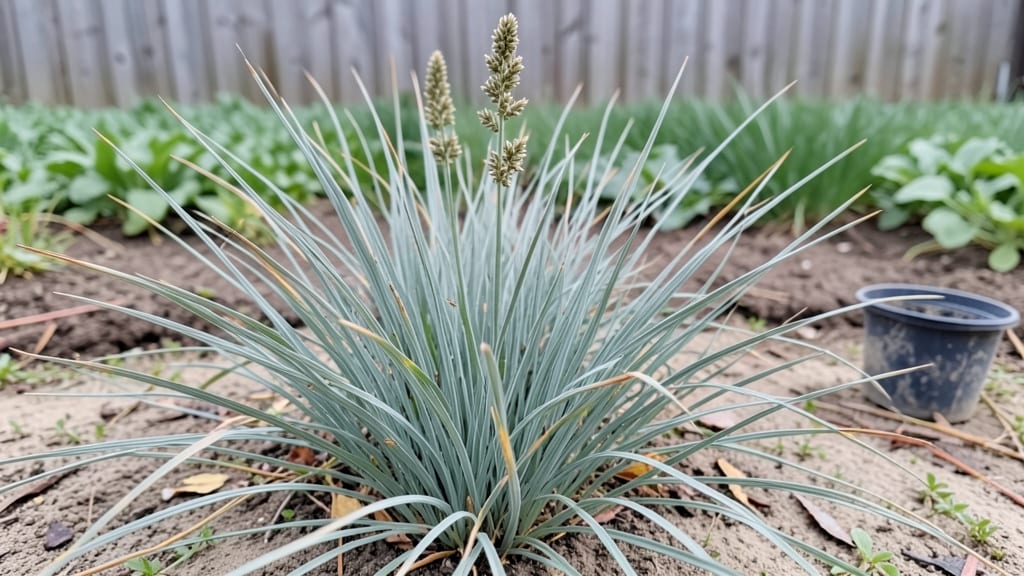
Planting beach grass transforms barren dunes into resilient ecosystems, its deep roots anchoring sand while nurturing coastal life.
I planted my first dune patch after watching years of erosion swallow my favorite oceanfront walkway, and the difference was immediate: within months, the wind stopped carving new gullies, and the birds returned to nest in the stabilized soil.
The secret lies in its resilience—this grass tolerates salt spray, poor soil, and relentless winds better than any other plant I’ve tried.
You’ll need barely any soil amendments—just a sunny, wind-exposed site with well-draining sand (no need for heavy clay or compost). For best results, plant in early spring or late summer when temperatures are mild, and avoid planting during high-tide seasons when saltwater can drown seeds.
The two methods—direct seeding (cheaper but slower) or sod rolls (faster, more expensive)—both work, but sod gives you instant coverage if you’re battling erosion fast.
Once established, beach grass demands almost no maintenance—just occasional mowing to keep it tidy and prevent it from spreading where you don’t want it. The roots will anchor the dunes naturally, reducing erosion by up to 90% in just a few years.
You’ll know it’s working when you see new shoots popping up along the windward side, signaling the dune is growing taller and stronger with each season.
Works best in coastal zones 3-10, but adaptable to inland sandy areas too. If you’re in a hurricane-prone region, consider planting sod over seeds for quicker stabilization. The payoff?
A living dune that outlasts storms, supports local wildlife, and turns a once-bare stretch of sand into a thriving ecosystem—all while doing the heavy lifting for you.
📚 In This Guide
- What you need
- Instructions
- Tips and common mistakes
- Wrapping up and next steps
What you need
- ● Beach grass seeds or plugs: Choose Ammophila breviligulata (American beach grass) or Ammophila arenaria (European beach grass). For seeds, aim for 1–2 lbs per 100 linear feet of dune. For plugs, use 1–2 plants per foot in a staggered pattern.
- ● Sand: Clean, coarse sand (free of debris) for backfilling—about 2–3 cubic yards per 100 sq. ft. of planting area.
- ● Compost or organic matter: Aged compost or coconut coir (mixed 1:3 with sand) to improve soil structure. Use 1–2 gallons per 100 sq. ft.
- ○ Erosion control matting (optional but recommended): Burlap or coconut fiber matting to stabilize seeds until germination. Cover 100% of the planting area.
- ● Water source: A hose with a gentle spray nozzle or drip irrigation system for consistent moisture.
- ● Rake: A stiff-bristle dune rake (or a regular garden rake) to smooth sand and create furrows.
- ● Shovel or spade: For digging small trenches (if planting plugs) or mixing sand/compost.
- ● Gloves: Heavy-duty work gloves to protect hands from sand and sharp debris.
- ● Measuring tape or string: To mark planting lines or spacing (especially for plugs).
- ● Wheelbarrow: For hauling sand, compost, or tools to the site.
- ● Timing: Plant seeds in early spring or fall (avoid summer heat). Plugs can be planted year-round in mild climates.
- ● Location: Choose a site with full sun exposure and minimal foot traffic for the first 6–12 months.
- ● Permits: Check local regulations—some coastal areas require approval for dune restoration projects.
- ● Weather: Avoid planting during high winds or heavy rain (wait for calm, dry conditions).
Step-by-Step instructions for planting beach grass
Here's how to establish resilient dune grass that will anchor your shoreline and thrive in harsh coastal conditions.
Prepare the Planting Site
Choose an area with moderate sand moisture—not too dry, not waterlogged. Beach grass prefers full sun exposure with 6+ hours of direct sunlight daily. Rake the sand surface to create a loose, even bed where roots can establish without resistance. Avoid compacted areas where wind or foot traffic has packed the sand tightly.
If your site has been disturbed, spread a 2-inch layer of fresh sand over the area to mimic natural dune conditions. This helps prevent root rot and encourages the deep, fibrous root system that stabilizes sand. Water the prepared site lightly to settle the sand without creating mud—you want it damp but not soggy.
Plant the Beach Grass
Dig small holes 1-2 inches deep and 6-12 inches apart, depending on the grass variety. The spacing allows roots to spread and interlock without competing for nutrients. Plant plugs or sprigs (not seeds) for faster establishment—beach grass spreads aggressively from rhizomes once established.
Gently tease the roots of each plug to encourage them to spread into the sand. Place the plant so the crown sits just above the sand level—burying it too deep can cause rot, while leaving it exposed risks drying out. Press the sand lightly around the base to secure the plant without compacting it.
Water and Mulch for Establishment
Water deeply once a week for the first 4-6 weeks to encourage deep root growth. Avoid frequent shallow watering, which can lead to weak, shallow roots. Let the top 1-2 inches of sand dry out between waterings—this mimics natural coastal conditions and prevents fungal diseases.
Apply a thin layer of coarse sand or straw mulch around each plant to reduce evaporation and protect young roots from wind. Avoid thick mulch layers, which can smother the grass. Monitor for signs of stress—wilting or yellowing leaves may indicate either overwatering or underwatering.
Maintain and Encourage Spread
Once established, beach grass requires minimal care. Mow only in late fall or early spring to avoid damaging new growth. Avoid heavy foot traffic or machinery, as compacted sand can kill the plants. If your dune faces erosion, consider adding additional sand layers in high-traffic areas to support root stability.
Watch for invasive species like beach morning glory or sea oats that may compete with your grass. Remove them promptly to ensure your beach grass dominates. Over time, the dense root system will stabilize the dune naturally, reducing erosion and creating a resilient coastal habitat.
Tips & tricks for planting beach grass
A few strategic moves will help your beach grass establish strong, resilient roots that stabilize your dunes for years. The key lies in mimicking natural coastal conditions while avoiding common planting pitfalls.
The Planting Depth Matters: In Step 2, when planting your beach grass plugs, ensure the crown sits just above the sand level—never buried. I've seen too many new planters bury the crown too deep, which leads to rot from trapped moisture. The crown should be the highest point, with roots extending downward. This positioning allows the plant to access both moisture and oxygen while preventing waterlogging that can suffocate roots.
Spacing Strategy for Optimal Spread: The 6-12 inch spacing in Step 2 might seem generous, but it's intentional. Beach grass spreads aggressively through rhizomes, and proper spacing prevents competition between plants. If you're planting in a high-traffic area, consider the closer end of the range (6-8 inches) to create a denser mat faster. However, in natural dune restoration, wider spacing (10-12 inches) allows for more natural spread patterns and better erosion control over time.
Watering Wisdom: The once-weekly deep watering in Step 3 is crucial for developing deep roots, but timing matters just as much. Water in the early morning to allow leaves to dry before evening, which prevents fungal diseases common in coastal environments. I've found that using a soaker hose buried slightly in the sand creates even moisture distribution without disturbing the loose planting bed you've created.
Mulching Technique: When applying your thin layer of coarse sand or straw mulch in Step 3, focus on creating a protective barrier rather than a thick blanket. The mulch should be no thicker than half an inch—just enough to reduce evaporation and protect young roots from wind. I've seen many new planters use too much mulch, which can actually smother the grass and trap excess moisture against the stems, creating ideal conditions for rot.
Pro Tips for Planting Beach Grass
- A few strategic moves will help your beach grass establish strong, resilient roots that stabilize your dunes for years.
- The Planting Depth Matters: In Step 2, when planting your beach grass plugs, ensure the crown sits just above the sand level—never buried.
- Spacing Strategy for Optimal Spread: The 6-12 inch spacing in Step 2 might seem generous, but it's intentional.
Frequently asked questions
Got questions about planting beach grass? You’re not alone—dune restoration can feel tricky! Here are answers to the most common concerns, from timing to troubleshooting, so you can get started with confidence.
When is the best time to plant beach grass?
Plant Ammophila breviligulata (Atlantic beach grass) or Ammophila arenaria (European beach grass) in early spring or late summer to avoid extreme heat or frost. Spring planting (March–May) gives roots time to establish before summer droughts, while fall (August–September) avoids competition from summer weeds. Avoid planting in winter—cold can stunt growth.
How often should I water newly planted beach grass?
Water daily for the first 2 weeks (lightly, to keep soil moist but not soggy), then taper to every 2–3 days for the next month. After that, beach grass is drought-tolerant, but young plants need consistent moisture to root. Pro tip: Water in the early morning to reduce evaporation and fungal risks.
Can I plant beach grass in my backyard, or is it only for beaches?
While beach grass thrives in sandy, coastal soils, it can adapt to well-draining, slightly salty inland areas (like dunes near lakes or rivers). Avoid heavy clay or waterlogged spots—it needs full sun and loose soil. For non-coastal yards, consider dune-friendly alternatives like Panicum amarum (switchgrass) or Leymus mollis (lyme grass).
Why is my beach grass turning brown or dying?
Brown patches often mean overwatering, salt buildup, or poor drainage. Check for:
- Too much water: Beach grass rots in soggy soil. Ensure sand drains freely.
- Salt stress: If planted near the ocean, rinse soil with fresh water occasionally.
- Pests/herbicides: Avoid chemical treatments—beach grass is sensitive!
- Competition: Remove weeds or invasive grasses (like Cakile or Spartina) that choke it.
Give it time—established plants handle stress better!
How does beach grass help the environment?
Beach grass is a superhero for dunes! Its deep roots:
- Stabilize sand, preventing erosion from wind/waves.
- Filter stormwater, reducing pollution in coastal waters.
- Provide habitat for birds, insects, and small mammals.
- Block salt spray, protecting nearby plants and structures.
Plus, it’s low-maintenance once established—just let it grow wild!
Wrapping up and next steps
Planting beach grass is a rewarding way to protect coastlines, restore dunes, and create a thriving ecosystem—all while adding beauty to your shoreline. 🌊 With the right preparation, species selection, and care, you’ll nurture resilient dunes that stand strong against erosion and wind.
Now that you’re armed with knowledge, roll up your sleeves and take action! Start small with a section of your beachfront, follow the steps, and watch nature—and your hard work—flourish over time.
Next step: Mark your planting zone, gather your supplies, and begin sowing those seeds before the next high tide! 🌱