
Shrubs
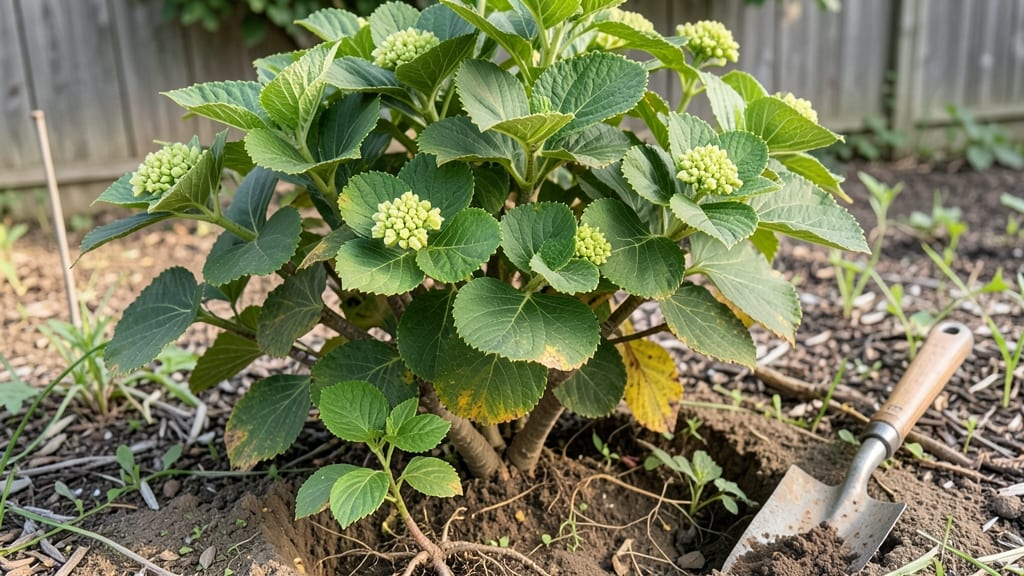
Planting shrubs in summer isn't the disaster it's made out to be—my own garden proves it. ✨ Last July, I put in a hydrangea and a butterfly bush that are now twice as big as their nursery pots, all because I followed three key tricks that keep roots cool and happy in the heat.
The secret isn't avoiding summer altogether—it's choosing the right shrubs, prepping the soil with moisture-retaining amendments, and watering at the roots (not the leaves) when temperatures dip below 85°F. I swear by drought-tolerant varieties like abelia, potentilla, and spirea—they handle heat better than most nursery plants ever will.
What you'll end up with is shrubs that establish faster than spring plantings, thanks to longer daylight hours. By late fall, they'll be sending out new growth instead of struggling to catch up.
The key is keeping the soil consistently damp (not soggy) and protecting those tender roots from drying winds.
Works just as well in Zone 5 as it does in Zone 9—just adjust watering frequency to your local heat waves. Here's how to make it work without losing plants to summer stress."
📚 In This Guide
- What you need
- Instructions
- Tips and common mistakes
- Wrapping up and next steps
What you need
- ● Shrubs: Choose 3–5 healthy, container-grown plants (size depends on maturity—smaller for quick planting, larger for instant impact).
- ● Shovel or trowel: A 6-inch garden trowel for small shrubs or a round-point shovel for larger holes (12–18 inches deep/wide).
- ● Compost or organic matter: 5–10 gallons (e.g., aged manure, composted leaves, or peat moss) to enrich soil.
- ● Mulch: 2–3 inches of wood chips, straw, or pine bark (avoid fresh mulch—it can burn roots!).
- ● Watering can or hose with nozzle: A soaker hose or watering wand for gentle, deep hydration.
- ● Pruners: Bypass pruners (clean and sharp) to trim dead foliage or roots if needed.
- ● Gloves & knee pads: Protect your hands and joints—gardening gloves and cushioned pads make the job comfier!
- ● Root stimulator: A mycorrhizal fungus powder or seaweed extract to boost root growth in hot soil.
- ● Soil test kit: Check pH levels (aim for 6.0–7.0)—adjust with lime or sulfur if needed.
- ● Shade cloth: 30–50% coverage for newly planted shrubs if your area gets intense afternoon sun.
- ● Stakes or plant ties: For tall/top-heavy shrubs (e.g., hydrangeas or weeping cherries).
- ● Drip irrigation system: Automate watering for summer survival (especially in dry climates).
Step-by-step instructions for planting shrubs in summer
Summer planting works—here's how to beat the heat and give shrubs the strong start they need.
🌱 Step 1: Prepare the Planting Site Early in the Morning
Dig the hole twice as wide as the root ball but only as deep as the container's base. This gives roots room to spread naturally without settling too low. I always work before 9 AM to avoid the hottest part of the day—roots handle moisture better when temperatures are cooler.
Loosen the soil at the bottom of the hole with a trowel. This breaks up any compacted layers that could restrict root growth. If your soil drains poorly, mix in a handful of coarse sand or perlite to improve aeration. The goal is to create a soft, inviting space for roots to establish quickly.
💧 Step 2: Water the Root Ball Before Removing from Container
Soak the root ball thoroughly 1-2 hours before planting to reduce transplant shock. You'll know it's ready when water runs freely from the bottom of the container. This step is critical—dry roots struggle to adapt, while hydrated roots start growing immediately.
While the root ball soaks, prepare a bucket of lukewarm water mixed with a rooting hormone if you have it. This gives the shrub a gentle growth boost right from the start. I like to add a tablespoon of mycorrhizal fungi to the hole—it helps roots connect with beneficial soil microbes faster.
☀️ Step 3: Plant and Mulch to Retain Moisture
Place the shrub in the hole so the top of the root ball sits 1 inch above ground level. This prevents soil from settling and burying the stem later. Fill around the roots with native soil, pressing gently to eliminate air pockets. A light watering after planting helps settle everything.
Spread 2-3 inches of mulch over the root zone, keeping it 6 inches away from the stem. Organic mulch like shredded bark or pine needles keeps roots cool and retains moisture. Check the mulch daily for the first week—it should stay slightly damp but not soggy. Overwatering now is worse than underwatering.
⏰ Step 4: Provide Aftercare for First 30 Days
Water deeply every 2-3 days until new growth appears, then taper to once a week once established. You'll see success when leaves stay vibrant and firm—not wilted or drooping. Drip irrigation or soaker hoses work best—they deliver water slowly at root level.
Shade cloth over new plantings during peak afternoon sun helps prevent leaf scorch. I use 30% shade cloth for the first two weeks, then remove it gradually. Avoid fertilizing during this period—roots need to focus on establishing, not growing leaves. Wait until you see new shoots before adding any nutrients.
Tips & tricks for planting shrubs in summer
Summer planting can be tricky, but these key strategies will help your shrubs thrive despite the heat.
Timing Secret: The 1-2 hour soak for the root ball is non-negotiable—this is what prevents transplant shock. I've seen shrubs struggle when people skip this step, especially in hot weather. Pro tip: Set a timer and check the bottom of the container periodically. Water should flow freely, not just trickle. If you're planting multiple shrubs, soak one while you prepare the next hole.
Soil Prep Technique: When loosening the soil at the bottom of the hole, think of it like fluffing a pillow—you want to create a soft, inviting space for roots to settle. If your soil is particularly dense, mix in that handful of coarse sand or perlite right at the bottom where roots will first encounter it. This creates a perfect transition zone that encourages root growth downward rather than circling the root ball.
Mulching Strategy: That 2-3 inches of mulch isn't just decoration—it's your shrub's air conditioning system. Keep it 6 inches away from the stem to prevent rot while still protecting the root zone. I like to use pine needles because they acidify slightly over time, which works well for acid-loving shrubs. Check the mulch daily during the first week—it should stay slightly damp, like a wrung-out sponge.
Aftercare Insight: The 2-3 day watering schedule is crucial, but don't rely on memory—set a reminder or mark your calendar. I've seen many gardeners overwater initially because they're so eager to help. Remember, roots need to establish first, not just grow leaves. Once you see those new shoots, you'll know your shrub is ready for the once-a-week maintenance routine.
Pro Tips for Planting Shrubs In Summer
- Summer planting can be tricky, but these key strategies will help your shrubs thrive despite the heat.
- Timing Secret: The 1-2 hour soak for the root ball is non-negotiable—this is what prevents transplant shock.
- Soil Prep Technique: When loosening the soil at the bottom of the hole, think of it like fluffing a pillow—you want to create a soft, inviting space for roots to settle.
Frequently asked questions
Got questions about summer shrub planting? You’re not alone! Here are answers to the most common concerns—so you can plant with confidence and watch your shrubs thrive.
Can I plant shrubs in summer, or is it better to wait until fall?
Summer planting can work, but timing matters! Aim for early summer (before 80°F/27°C) or late summer (after 90°F/32°C drops). Heat stress is the biggest risk—water deeply, mulch heavily, and choose heat-tolerant varieties like Lantana or Abelia.
How often should I water newly planted shrubs in summer?
New shrubs need 1–2 inches of water per week (more in extreme heat). Water deeply 2–3 times per week at the base (not overhead) to encourage root growth. Use drip irrigation or soaker hoses to avoid evaporation. Morning watering is best—it reduces fungal risks.
What’s the best mulch for summer-planted shrubs?
Use 2–4 inches of organic mulch (like shredded bark, pine straw, or compost) to retain moisture and regulate soil temp. Avoid piling mulch against stems—keep it 2–3 inches away to prevent rot. Dark mulches (e.g., cocoa hulls) absorb heat; lighter mulches (e.g., straw) reflect it.
Why are my new shrubs wilting or turning yellow after planting?
Wilting often signals underwatering or root shock, while yellow leaves may mean overwatering, nutrient deficiency, or transplant stress. Check soil moisture (stick your finger 2 inches down—if dry, water). If leaves curl or drop, trim damaged foliage and fertilize lightly with a balanced, slow-release fertilizer.
Are there any shrubs that don’t do well planted in summer?
Some shrubs struggle in summer heat, like Rhododendrons, Azaleas, and Boxwoods—they prefer cooler spring/fall planting. Others, like Crape Myrtles or Oleander, handle summer well but need extra water. Always check your shrub’s hardiness zone and care tags!
Wrapping up and next steps
Planting shrubs in summer can be a rewarding way to boost your landscape—just remember to water deeply, choose the right timing, and use mulch to protect those roots! With the right techniques, your shrubs will thrive even in the heat. 🌿
Now that you’re armed with expert tips, grab your gloves and get planting! Start small with one or two shrubs, monitor their progress, and soon you’ll have a lush, summer-proof garden. Happy gardening! 🌞