
Pruning
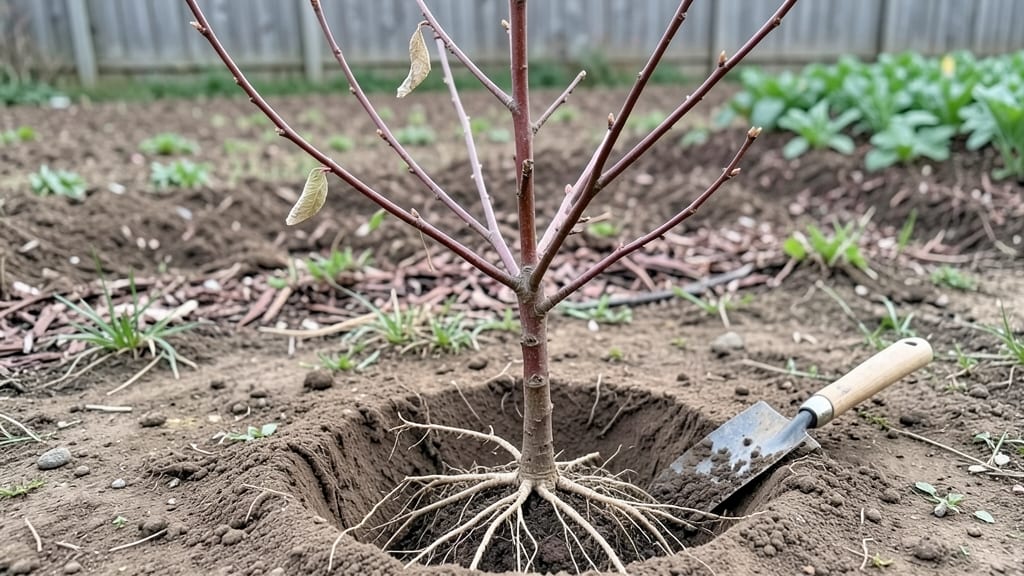
Here are peach tree planting tips to start strong: choose well-draining soil with full sun exposure, and you’ll nurture a fruit-bearing giant that feeds you for decades.
I learned the hard way that peaches hate soggy roots—my first tree nearly drowned in heavy clay, and it took three years to recover. The secret isn’t just digging a hole; it’s about matching the tree’s needs to your yard’s conditions before the first shovel hits the dirt.
You’ll need a 6-foot-deep hole (twice as wide as the root ball), amended soil with compost, and a 10-foot radius of cleared space for airflow. Most beginners overlook the soil pH—peaches thrive between 6.0 and 6.5, so test your soil first.
Planting in late winter or early spring, just as buds swell but before leaves emerge, gives roots time to establish before summer heat hits. Water deeply right after planting, then again every 3-4 days until roots spread.
Within a year, you’ll see suckers (shoots at the base) and new growth, but the real magic happens in year three when the first blossoms appear. Prune those early blooms—they’ll drain energy better spent on root growth.
Mulch heavily to keep roots cool, and watch for peach tree borers by inspecting bark cracks in late summer. A healthy tree starts with the right foundation, and this method guarantees it.
Works in USDA Zones 5-9, though southern climates need afternoon shade to prevent sunburn on fruit. Northern gardeners should choose cold-hardy varieties like ‘Reliance’ or ‘Redhaven.’ The payoff? A tree that produces 50+ pounds of fruit per year once established—and that’s a harvest you’ll plan your summer around.
📚 In This Guide
- What you need
- Instructions
- Tips and common mistakes
- Wrapping up and next steps
What you need
- ● Peach Tree Sapling: Choose a dwarf, semi-dwarf, or standard variety (check local climate suitability).
- ● Shovel or Trench Digger: For digging holes 2-3x wider than the root ball.
- ● Well-Draining Soil Mix: Combine 60% native soil + 30% compost + 10% perlite/sand (adjust for clay-heavy areas).
- ● Organic Mulch: 2–3 inches of wood chips, straw, or pine needles (keep 6" away from trunk).
- ● Balanced Fertilizer: 10-10-10 NPK (apply ½ cup per tree at planting).
- ● Pruning Shears: Bypass-type (sharp, clean blades for cuts ¼" above buds).
- ● Garden Hose or Watering Can: For deep watering (1–2 gallons per tree) post-planting.
- ○ Tree Stake (Optional but Helpful): 1–2 stakes (if needed for young trees in windy areas).
- ● Soil pH Test Kit: Aim for 6.0–7.0 pH (adjust with lime/sulfur if needed).
- ● Root Stimulator: Mycorrhizal fungi or seaweed extract to boost root growth.
- ● Frost Cloth: For young trees in USDA Zones 5–7 (protects blossoms in spring).
- ● Drip Irrigation System: Saves time and ensures consistent moisture.
- ● Tree Guard: Plastic wrap or hardware cloth to deter voles/gophers (if pests are common).
Step-by-Step instructions for planting a peach tree
Here’s how to plant a peach tree for strong roots, abundant blooms, and sweet fruit.
Choose the Right Location and Prepare the Soil
Peach trees thrive in full sun, so pick a spot with at least 6-8 hours of direct sunlight daily. Avoid low areas where cold air settles—peaches are sensitive to late frosts. Test your soil’s pH; peaches prefer slightly acidic to neutral soil (6.0-7.0). If your soil is heavy clay, amend it with 2-3 inches of compost mixed into the top 12 inches of soil. This improves drainage and nutrient availability.
Dig a planting hole twice as wide as the root ball but no deeper. Loosen the sides of the hole to encourage root spread. If planting in fall, avoid heavy clay soils that stay wet—root rot is a common issue. For spring planting, prepare the hole 2-3 weeks ahead to let the soil settle naturally.
Position the Tree and Backfill the Hole
Place the peach tree in the hole so the top of the root ball sits 2-3 inches above ground level. This prevents water from pooling around the trunk, which can cause rot. Gently spread the roots outward—don’t force them—so they grow into the surrounding soil. If the roots are circling, trim them lightly to encourage outward growth.
Backfill the hole with the original soil, tamping it down lightly as you go. Avoid compacting too firmly, as this restricts root expansion. Water deeply to settle the soil around the roots, then add a 2-3 inch layer of mulch (like wood chips) around the base, keeping it 6 inches away from the trunk. This conserves moisture and regulates soil temperature.
Water and Stake for Support
Water the tree deeply right after planting—about 10-15 gallons—to eliminate air pockets in the soil. Peach trees need 1-2 inches of water per week, especially during the first year. Use a drip irrigation system or soaker hose to deliver water slowly at the base, avoiding wetting the leaves to prevent fungal diseases.
If your tree is tall or in a windy area, install a stake and tie to support it. Drive the stake 6 inches into the ground on the prevailing wind side, then loosely tie the trunk with a soft material (like a rubber tree tie) to allow for growth. Remove the stake after 1-2 years to prevent girdling.
Prune and Fertilize for Healthy Growth
Prune the tree immediately after planting to remove any broken, crossing, or diseased branches. Focus on opening the center of the tree to improve airflow and sunlight penetration. Leave 3-5 strong scaffold branches to form the framework. Avoid heavy pruning—just shape it lightly to encourage a balanced structure.
Apply a balanced fertilizer (10-10-10) at planting time, following the package rates. In the first year, fertilize twice more—once in early spring and again in mid-summer. Peach trees are heavy feeders, but too much nitrogen can reduce fruit quality. Always water fertilizer into the soil to prevent root burn.
Monitor and Protect Through the First Year
Watch for peach tree borers and aphids, which can stress young trees. Inspect leaves regularly for signs of pests—sticky residue or chewed edges—and treat with neem oil or insecticidal soap if needed. Also, keep an eye out for bacterial leaf spot, a common fungal issue, and remove infected leaves promptly.
In late winter (just before buds swell), apply a dormant oil spray to control overwintering pests. This is also a good time to prune out any dead or weak branches from the previous year. With proper care, your peach tree will establish strong roots and reward you with fruit in 2-3 years.
Tips & tricks for perfect peach tree planting
Planting a peach tree that thrives for years starts with these key insights that go beyond the basics.
Sunlight Strategy: The 6-8 hours of direct sunlight mentioned in Step 1 is non-negotiable for peach trees. I recommend planting on the south or southwest side of your property to maximize sunlight exposure throughout the day. If you're in a region with intense afternoon sun, consider providing some afternoon shade during the tree's first summer to prevent sunburn on young leaves. This gradual acclimation helps the tree adjust without stress.
Soil Preparation Secret: When amending heavy clay soil with 2-3 inches of compost as suggested, I like to mix in a handful of perlite or coarse sand for even better drainage. This prevents the classic peach tree problem of root rot that can occur in fall planting when soils stay wet. For spring planting, preparing the hole 2-3 weeks ahead gives the soil time to settle naturally, which creates a more stable planting environment for those critical first roots.
Root Positioning Technique: In Step 2, when positioning the root ball 2-3 inches above ground level, I always make sure to create a small mound of soil in the center of the hole first. This prevents water from pooling directly against the trunk when you water deeply afterward. Also, if you notice circling roots, trim them lightly at an angle rather than straight across—this encourages outward growth rather than continuing the circular pattern that can strangle the tree over time.
Watering Wisdom: The 10-15 gallons of water right after planting is essential, but I've found that using a five-gallon bucket with a spigot works perfectly for delivering water slowly at the base. This targeted approach prevents water from splashing onto leaves, which is crucial for avoiding fungal diseases. For the weekly 1-2 inches of water, I set up a simple drip irrigation system that delivers water right at the root zone—this consistency is what makes the difference between a struggling tree and one that thrives.
Pro Tips for Peach Tree Planting Tips
- Planting a peach tree that thrives for years starts with these key insights that go beyond the basics.
- Sunlight Strategy: The 6-8 hours of direct sunlight mentioned in Step 1 is non-negotiable for peach trees.
- Soil Preparation Secret: When amending heavy clay soil with 2-3 inches of compost as suggested, I like to mix in a handful of perlite or coarse sand for even better drainage.
Frequently asked questions
Got questions about planting your peach tree? You’re not alone! Here are some of the most common concerns—and their answers—to help you grow a thriving orchard.
When is the best time to plant a peach tree?
The ideal time is late winter or early spring (before buds swell) or fall (4-6 weeks before your first frost). Avoid planting in summer heat or freezing temperatures—roots need time to establish without stress. Bare-root trees are best planted in dormancy (winter/early spring).
How far apart should peach trees be planted?
Space dwarf varieties 10–15 feet apart and standard trees 20–25 feet apart for airflow and sunlight. If planting a hedge, keep them 8–10 feet apart. Overcrowding leads to disease and poor fruit quality. Pro tip: Check your tree’s tag for mature size—it’s your spacing guide!
What’s the best soil for peach trees?
Peaches thrive in well-draining, slightly acidic soil (pH 6.0–6.5). Amend heavy clay with compost or sand, and avoid soggy spots. A raised bed can help in wet climates. Test your soil—local extension offices offer affordable kits!
How do I protect my peach tree from pests?
Prevent pests with healthy soil, proper spacing, and regular pruning. Watch for aphids, peach tree borers, or bird damage. Use organic neem oil for soft-bodied insects or row covers for birds. If borers strike, scrape out larvae and treat with beneficial nematodes.
Can I plant a peach tree in a cold climate?
Yes! Choose cold-hardy varieties like ‘Reliance’ (Zone 4) or ‘Redhaven’ (Zone 5). Plant in a south-facing slope to capture warmth, mulch heavily in winter, and avoid low-lying areas where frost pools. Dwarf varieties also handle cold better than standards.
Wrapping up and next steps
Planting a peach tree is a rewarding journey that blends patience with the joy of nurturing life—and soon, you’ll be savoring the sweet fruits of your labor! 🌱 By choosing the right sunlight, soil, and spacing, you’ve set the foundation for a thriving tree.
Remember, consistency in care (like watering and pruning) will turn your efforts into a bountiful harvest in just a few years.
Ready to take the next step? Start small: pick a sunny spot in your yard, gather your tools, and dig in! Whether you’re a first-time gardener or a seasoned green thumb, every peach tree begins with a single seed—or in this case, a carefully planted sapling. Happy planting! 🌟