Pruning
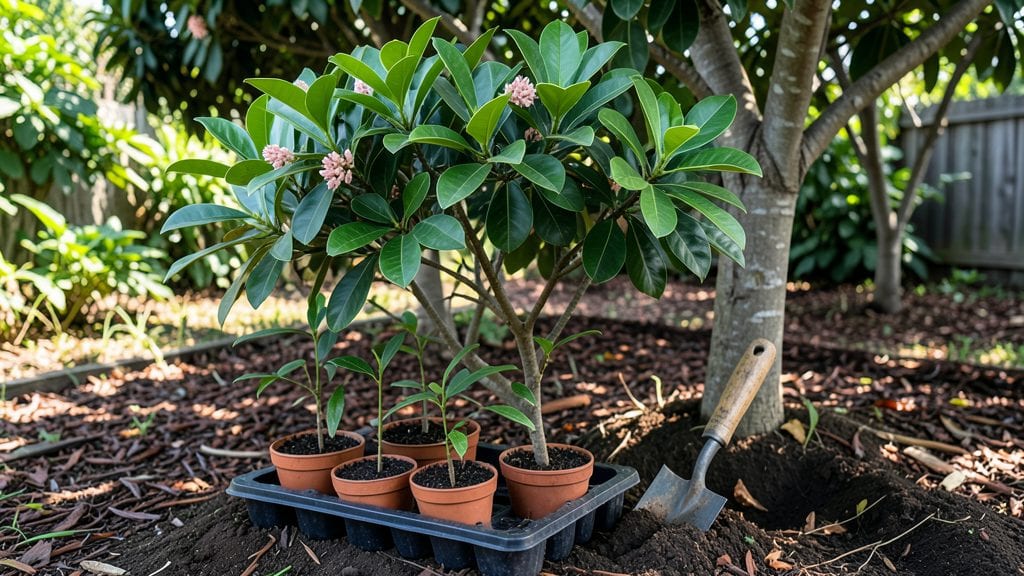
Planting a lychee tree starts with the right spot and soil—because these tropical beauties won’t forgive mistakes. 🌿 I’ve grown them in Florida’s heat, and the key is mimicking their native jungle conditions: well-draining soil, full sun, and protection from anything colder than 30°F. Skip this, and you’ll end up with a sad, stunted plant that never fruits.
The process itself is simpler than you’d think: dig a hole twice as wide as the root ball, mix in compost, and plant at the same depth it was in the pot. Water deeply right after, then keep the soil moist but never soggy for the first month.
Most people overwater, thinking lychees love it—wrong. They’re drought-tolerant once established, but young trees need consistent moisture.
By summer, you’ll see vigorous new growth if you’ve nailed the basics. The real magic happens when the tree matures—imagine sweet, fragrant lychees fresh from your backyard instead of a store.
Just remember: these trees are frost-sensitive, so if you’re outside the tropics, plan for container growing or a greenhouse during winter.
Here’s the thing—lychees take patience. It can take 3-5 years before they fruit, but once they do, you’ll be hooked. Start with a healthy nursery tree, and you’re already ahead of 90% of gardeners who give up too soon. Let’s get that first tree in the ground right.
📚 In This Guide
- What you need
- Instructions
- Tips and common mistakes
- Wrapping up and next steps
What you need
- ● Lychee sapling or grafted tree: Choose a healthy, disease-free Litchi chinensis sapling (age 1-3 years) or a grafted variety for faster fruiting. (1 plant)
- ● Well-draining soil: Mix 1 part sand (for drainage) with 2 parts loamy soil (pH 5.5–7.0). Avoid clay-heavy soil.
- ● Organic compost: 1–2 gallons to enrich the planting hole (coconut coir or aged manure works best).
- ● Fertilizer: Balanced fertilizer (10-10-10) for initial planting (½ cup mixed into soil).
- ● Citrus-specific fertilizer (high in zinc and magnesium) for ongoing care (every 3 months).
- ● Mulch: 2–3 inches of organic mulch (straw, wood chips, or pine bark) to retain moisture and regulate temperature.
- ● Watering can or hose: With a gentle spray nozzle to avoid damaging roots.
- ● Pruning shears: Sharp, bypass-style shears (sterilized with rubbing alcohol).
- ○ Support stake (optional but recommended): 1–2 wooden stakes (1.5–2 inches wide) and soft garden twine for young trees.
- ● Drip irrigation system: For consistent moisture in hot climates.
- ● Tree collar: Protects the trunk from pests and weather damage.
- ● Soil moisture meter: Ensures you’re watering at the right depth (lychees hate soggy roots!).
- ● Pollination aid: A small paintbrush to hand-pollinate flowers if bees are scarce.
- ● Shade cloth (for young trees): 30–50% coverage to protect from intense sun.
How to plant a lychee tree for a thriving tropical garden
Here's the straightforward method I've used to grow healthy lychee trees—no complicated steps, just reliable results.
🌱 Step 1: Select and Prepare Your Young Lychee Tree
Lychees thrive best when planted as young trees, ideally 3-5 feet tall with a sturdy trunk. Look for a healthy specimen with vibrant green leaves and no signs of pests or disease. If you're starting from a container-grown tree, choose one that's been in its pot for at least 6-12 months—this signals established roots.
Before planting, give the roots a quick inspection. Gently loosen any tightly bound roots with your fingers to encourage outward growth. If the tree has been in a pot, soak the root ball in lukewarm water for 20-30 minutes to rehydrate the roots without overwatering. This step is critical if the soil feels dry or crumbly.
☀️ Step 2: Choose the Perfect Location and Dig the Hole
Lychee trees crave warmth and need full sun exposure—at least 6-8 hours daily. Pick a spot in your yard that gets consistent afternoon sunlight, as these trees struggle in cold or shaded conditions. The soil should be well-draining, slightly acidic (pH 5.0-6.5), and rich in organic matter.
Dig a hole that's twice as wide as the root ball but only as deep. The top of the root ball should sit 1-2 inches above ground level after planting—this prevents water from pooling around the trunk. Loosen the soil at the bottom of the hole with a shovel or your hands to encourage root spread.
🪴 Step 3: Plant and Establish Your Lychee Tree
Place the tree in the hole, ensuring the roots spread out naturally without bending. Fill the hole with native soil, pressing gently around the base to eliminate air pockets. Water deeply right after planting to settle the soil and remove any gaps. Use 1-2 gallons of water for a small tree, enough to soak the root zone completely.
Apply a 2-3 inch layer of mulch around the base, keeping it 6 inches away from the trunk to prevent rot. Mulch helps retain moisture and regulate soil temperature, which is especially important in hot climates. After planting, avoid fertilizing for the first 4-6 weeks—let the roots adjust before introducing nutrients.
💧 Step 4: Water and Maintain for Long-Term Growth
Water your lychee tree 2-3 times per week during the first year, providing 1-2 gallons per watering depending on the tree's size. Check moisture by sticking your finger 2 inches into the soil—if it feels dry, it's time to water. Overwatering is a common mistake that leads to root rot, so always let the top inch of soil dry out between waterings.
Monitor the tree for signs of stress, like yellowing leaves or wilting, which can indicate overwatering or insufficient sunlight. If you notice new growth slowing down after the first few months, apply a balanced 10-10-10 fertilizer in early spring and again in early summer. This gives your tree the nutrients it needs to grow strong and healthy.
Tips & tricks for planting a thriving lychee tree
Here's what I've learned from years of growing lychee trees—these simple tricks make all the difference between a struggling plant and a thriving tropical fruit producer.
Root Inspection Secret: In Step 1, when you're loosening those tightly bound roots, look for any dark or mushy areas—these are signs of root rot from overwatering. Healthy roots should be white or light tan and firm to the touch. If you find damaged roots, trim them away with clean scissors before planting. This small step prevents future problems and gives your tree the best possible start.
Sunlight Strategy: The 6-8 hours of full sun in Step 2 is non-negotiable, but here's the thing: morning sun is more important than afternoon in hot climates. If you're in a very warm region, position your tree where it gets morning sun and afternoon shade to prevent leaf scorch. South-facing locations work best in the Northern Hemisphere.
Watering Wisdom: After planting in Step 3, those 1-2 gallons of water should soak down at least 12 inches into the soil. I like to use a garden hose with a gentle spray attachment to avoid compacting the soil. The key is getting water deep enough to encourage root growth downward rather than just wetting the surface.
Mulch Mastery: That 2-3 inch layer of mulch in Step 3 isn't just decoration—it's your tree's temperature regulator. In summer, it keeps roots cool; in winter (if you're in a marginal climate), it provides insulation. Just remember to keep it 6 inches away from the trunk to prevent rot. I use wood chips because they break down slowly and improve soil quality over time.
Pro Tips for Planting Lychee Tree
- Here's what I've learned from years of growing lychee trees—these simple tricks make all the difference between a str...
- Root Inspection Secret: In Step 1, when you're loosening those tightly bound roots, look for any dark or mushy areas—...
- Sunlight Strategy: The 6-8 hours of full sun in Step 2 is non-negotiable, but here's the thing: morning sun is more i...
Frequently asked questions
Got questions about growing your own lychee tree? You’re not alone—this exotic fruit takes patience and care! Below, we’ve rounded up the most common queries from gardeners just like you, so you can tackle challenges with confidence.
How long does it take for a lychee tree to bear fruit?
A lychee tree typically takes 3–5 years to produce fruit from seed, though grafted trees may fruit in 2–3 years. Patience is key—focus on providing ideal conditions (warmth, humidity, and well-draining soil) to speed up the process.
Can I grow a lychee tree in a pot, or do I need a garden?
Yes! Lychee trees thrive in large containers (15+ gallons) if you live in a cooler climate. Use a fast-draining potting mix and move the pot indoors during frost. Just ensure it gets 6+ hours of sunlight daily and occasional pruning to control size.
Why are my lychee tree leaves turning yellow?
Yellow leaves usually signal overwatering, nutrient deficiency, or poor drainage. Check soil moisture—lychees hate soggy roots. Feed with a citrus-friendly fertilizer (high in zinc/manganese) and ensure pots/drainage holes allow excess water to escape.
Do lychee trees need cross-pollination to produce fruit?
Most lychee varieties are self-pollinating, but having two trees nearby can boost yields. If flowers appear but no fruit sets, hand-pollinate with a small brush or attract pollinators (like bees) to your garden.
What’s the best time of year to plant a lychee tree?
Plant in early spring (after last frost) or late summer to avoid heat stress. Young trees are sensitive to cold—wait until soil temps are above 60°F (15°C). If grafting, do it in dormant season (winter) for best results.
Wrapping up and next steps
Planting a lychee tree is a rewarding journey that brings tropical beauty and delicious fruit right to your backyard! 🌱 With the right location, soil, and care, you’ll set the stage for a thriving tree that can produce sweet, fragrant lychees for years.
Remember, patience is key—lychee trees take time to bear fruit, but the effort is worth every bite.
Now that you’re equipped with the knowledge, take the first step today! Start by gathering your supplies, choose the perfect spot, and dig in. Whether you’re a seasoned gardener or a beginner, your lychee tree adventure awaits—happy planting! 🌟