
Watering
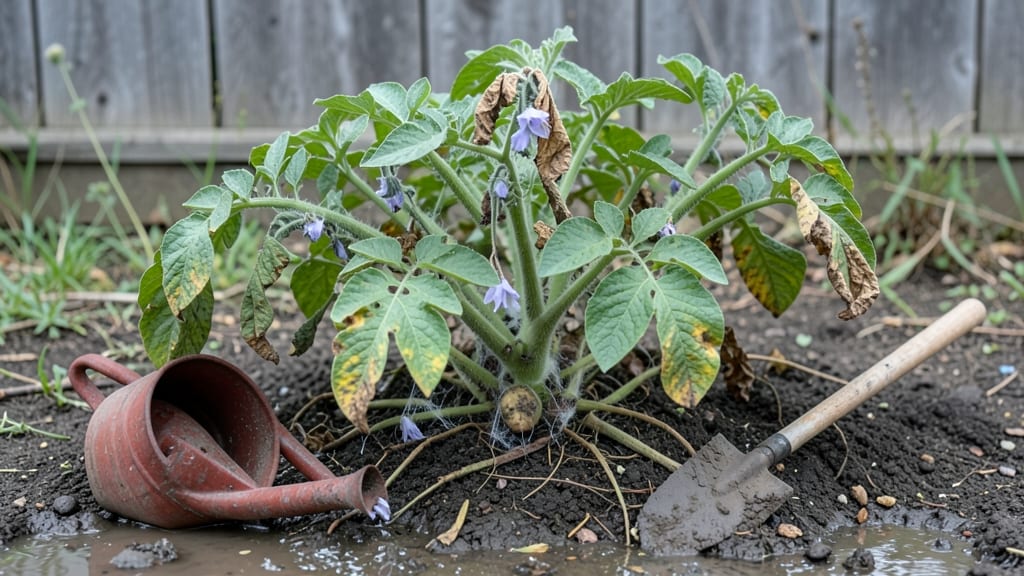
Overwatered potato plants turn your harvest dreams into a soggy mess—yellowing leaves, mushy stems, and that telltale rot smell. 🌱 I’ve pulled more potatoes from waterlogged soil than I’d like to admit, and the fix starts with stopping the drowning before it’s too late.
The good news? Potatoes are resilient once you correct the watering habits that lead to root rot.
Here’s the hard truth: most gardeners water potatoes like they’re thirsty houseplants, but these tubers need soil that’s moist but never soggy. The moment you see wilting despite wet soil or blackened stems, you’ve got root rot creeping in.
My first step? Yanking up the plants to check the roots—if they smell like a swamp, we’re dealing with fungus. The fix involves three key moves: adjusting your watering schedule, improving drainage, and giving those roots some breathing room.
Within a week of proper care, you’ll see new green growth pushing through, and by harvest time, your potatoes will be firm, bountiful, and free of the slimy texture that ruins dinner plans.
The secret isn’t complicated—it’s about matching water to what the plant actually needs, not what you think it wants. Let’s turn those sad stems into a thriving harvest.
This works for backyard gardens, raised beds, or even container-grown potatoes—just adjust the soil mix to include gritty amendments like perlite or coarse sand. The goal is the same: keep the roots happy without turning your plot into a swamp. You’ve got this.
Root Causes Of Overwatered Tubers
When your potato plants 🥔 start wilting despite soggy soil or develop a mushy, foul-smelling base, the culprit is almost always excess moisture. But why does this happen? The issue stems from a mix of environmental, soil, and management factors that disrupt the delicate balance potatoes need to thrive.
Let’s break down the science behind each trigger so you can spot the warning signs early.
Potatoes hate sitting in waterlogged soil because their roots need oxygen to function. When drainage is poor—whether from heavy clay soil, compacted earth, or improperly amended beds—water pools around the roots instead of draining away.
This creates an anaerobic (oxygen-free) environment, where beneficial microbes suffocate and harmful pathogens like Phytophthora and Pythium thrive.
- 🔍 Signs: Soil stays muddy for days after watering; roots appear black, mushy, or slimy.
- 💡 Fix: Test drainage by digging a 12" hole, filling it with water, and timing how long it takes to drain. If it’s slower than 4–6 hours, amend with coarse sand, perlite, or compost to loosen the soil.
- ⚠️ Pro Tip: Avoid planting potatoes in low-lying areas where water naturally collects after rain.
Potatoes are drought-tolerant once established, but many gardeners assume "more water = better growth." Overwatering—especially on a daily or inconsistent schedule—tricks the plant into thinking it’s in a swamp. The roots swell with excess water, leading to:
- 🌱 Cell rupture: Water pressure bursts delicate root cells, causing rot.
- 🦠 Fungal blooms: Excess moisture creates the perfect humidity for Fusarium or Rhizoctonia to colonize.
- 🍂 Nutrient lockout: Water dilutes essential minerals (like potassium and phosphorus) in the soil, starving the plant.
💡 Actionable Fix: Water deeply but infrequently—aim for 1–1.5 inches per week (including rain) and let the top 2–3 inches of soil dry out between sessions. Use a soaker hose or drip irrigation to deliver water directly to the roots without wetting the foliage.
Compacted or high-clay soil acts like a water trap, blocking air pockets that roots need to breathe. Without oxygen, roots suffocate, leading to:
- 🔥 Anaerobic bacteria: These microbes produce toxic byproducts (like ethanol and acetic acid) that poison the plant.
- 🍄 Root rot: Fungi and bacteria multiply in waterlogged zones, turning roots to mush.
- 🌿 Stunted growth: The plant diverts energy to surviving rather than producing tubers.
🔧 Solution: Before planting, double-dig the bed (loosening soil 12–18" deep) and mix in:
- 50% compost (for organic matter)
- 30% perlite or vermiculite (for aeration)
- 20% coarse sand (for drainage)
✨ Pro Tip: If your soil is already planted, use a broadfork to aerate without disturbing the roots.
Potatoes in containers or raised beds are especially vulnerable because water has nowhere to go. Without proper drainage holes or a reservoir system, excess water pools at the bottom, drowning the roots. Even "self-watering" pots can fail if:
- 🚫 The soil mix is too dense (e.g., pure potting soil without amendments).
- 🚫 The container lacks overflow drainage or a wicking layer.
- 🚫 You’re watering on a strict schedule without checking moisture levels.
🛠️ Container Fixes:
Problem
Solution
No drainage holes
Drill 1/2" holes in the bottom and add a gravel layer (2–3 inches).
Heavy soil mix
Use a blend of 50% potting soil + 30% coconut coir + 20% perlite.
Overwatering habit
Use a moisture meter or stick your finger 2" deep—water only if dry.
Revive Your Potatoes Now
Overwatered potato plants can feel like a gardening nightmare, but with the right steps, you can nurse them back to health—and even salvage some tubers! The key is acting fast to prevent root rot from spreading.
Below are targeted fixes based on the most common causes, along with prevention tips to keep your spuds thriving.
Cause: Soggy soil from overwatering or poor drainage traps moisture, suffocating roots and inviting rot.
How to Fix It:
- 🔥 Stop Watering Immediately Let the soil dry out for at least 3–5 days before watering again. Check moisture by sticking your finger 2 inches deep—if it’s damp, wait longer.
- 🍳 Drain the Area
- Dig a shallow trench around the plant base to redirect water away.
- If in containers, empty excess water from saucers and ensure pots have drainage holes.
- 👨🍳 Loosen Compacted Soil Gently aerate the top 6 inches of soil with a fork to help roots breathe. Avoid disturbing tubers if they’re near the surface.
- 🥘 Amend Soil for Better Drainage Mix in compost, perlite, or coarse sand (1 part amendment to 3 parts soil) to improve airflow. Avoid heavy clay—it holds moisture like a sponge.
Prevention Tip: 💡 Test your soil’s drainage by filling a pot with your garden soil, adding water, and timing how long it takes to drain. Ideal? Under 1 hour.
Cause: Inconsistent watering (too much at once) or ignoring weather conditions leads to waterlogged roots.
How to Fix It:
- ⏰ Water Deeply but Infrequently
- Morning watering (before 10 AM) is best—it gives foliage time to dry.
- Rule of thumb: Water 1–1.5 inches per week, including rain. Use a rain gauge to track.
- 🔪 Mulch to Regulate Moisture Apply 2–3 inches of straw or shredded leaves around plants (keep mulch 4 inches away from stems). This slows evaporation and keeps roots cool.
- 🌡️ Monitor Weather & Soil
- After heavy rain, delay watering for 2–3 days.
- Use a moisture meter (or the finger test) to avoid guesswork.
Prevention Tip: ✨ Group plants with similar water needs—potatoes thrive with consistent moisture, not soggy conditions.
Cause: Overwatering creates the perfect breeding ground for root rot (Phytophthora) and fungal diseases.
How to Fix It:
- 🍄 Apply Fungicide (If Needed)
- Preventative spray: Use a copper-based fungicide or neem oil (mix 2 tbsp neem oil + 1 tsp mild soap per gallon of water).
- For existing rot: Drench soil with a hydrogen peroxide solution (1 tbsp per gallon of water) to kill pathogens.
- 🔥 Prune Affected Foliage
- Remove yellowing or mushy leaves with sterilized scissors to stop the spread.
- Do NOT compost diseased plant parts—burn or trash them.
- 🌿 Rotate Plant Locations
- Avoid planting potatoes in the same spot for 3–4 years to break disease cycles.
- If in containers, sterilize pots with a 10% bleach solution before reuse.
Prevention Tip: 🎯 Plant resistant varieties like ‘Yukon Gold’ or ‘Red Pontiac’—they tolerate moisture better than others.
Need a fast reference? Use this table to diagnose and act:
| Symptom | Likely Cause | Fix It Now | Prevent Next Time |
|---|---|---|---|
| Yellowing leaves | Overwatering + poor drain | Stop watering, loosen soil, add mulch | Test soil drainage, water deeply |
| Soft, blackened stems | Root rot | Apply fungicide, prune affected parts | Rotate crops, use raised beds |
| Wilting despite wet soil | Compacted soil | Aerate soil, improve drainage | Mix in perlite, avoid clay soil |
Final Pro Tip: 🌱 Harvest early if rot spreads—dig up small tubers before they’re fully formed. Store them in a cool, dark, dry place (50–60°F) to prevent further spoilage.
With these steps, your potato plants can bounce back—and you’ll be feasting on homegrown spuds in no time! 🥔💚
Frequently asked questions
What do overwatered potato plants look like?
Watch for yellowing leaves that stay limp even when soil feels wet, blackened or mushy stems at the base, and a sour smell from the soil. Roots will appear slimy or covered in mold. These signs mean your potatoes are drowning—stop watering immediately and let the soil dry out for 3–5 days.
Can you save potatoes with root rot?
Yes, but act fast! Prune affected foliage with sterilized scissors, improve drainage by loosening soil, and apply a copper fungicide or hydrogen peroxide solution (1 tbsp per gallon of water) to kill pathogens. Harvest any salvageable tubers early and store them in a cool, dry place (50–60°F). Rotate planting locations next season to prevent recurrence.
How often should I water potato plants?
Aim for 1–1.5 inches of water per week, including rain, and let the top 2–3 inches of soil dry out between waterings. Use a soaker hose or drip irrigation to deliver water directly to roots. Morning watering (before 10 AM) helps foliage dry faster, reducing fungal risks. Always check soil moisture with your finger—if it’s damp 2 inches deep, wait to water.
What’s the best soil mix for potatoes to prevent overwatering?
Use a blend of 50% compost (for nutrients), 30% perlite or vermiculite (for aeration), and 20% coarse sand (for drainage). Avoid heavy clay soil—it traps moisture like a sponge. For containers, ensure pots have drainage holes and use a mix of 50% potting soil + 30% coconut coir + 20% perlite. Test drainage by filling a pot with your mix and timing how long it takes to drain—ideal is under 1 hour.
Why do my container-grown potatoes keep getting overwatered?
Containers lack natural drainage, and water pools at the bottom when pots lack holes or a wicking layer. Use self-watering pots with overflow drainage or drill ½-inch holes in the bottom. Add a 2–3 inch gravel layer at the base to prevent root rot. Water only when the top 2 inches of soil feel dry, and empty saucers after watering to avoid soggy roots.