
Watering
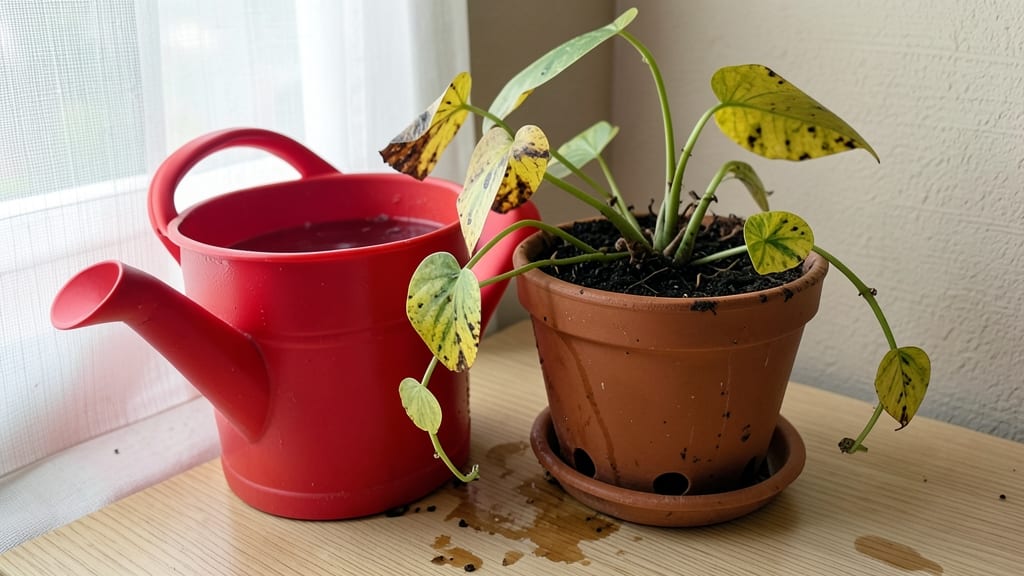
An overwatered indoor plant with yellow, drooping leaves is a cry for help—and luckily, root rot can still be saved. 🌱 I’ve nursed back more plants than I’d like to admit by catching this too late, and the good news is... that even the most soggy stems can bounce back with the right moves.
The key is acting fast before the roots turn to mush.
First, check the roots: healthy ones are firm and white, while rotten ones smell funky and crumble. Snip off the bad parts with clean scissors, then repot in fresh, well-draining soil—think cactus mix or add perlite to regular potting soil.
Most plants recover within 2-4 weeks if you adjust watering habits right away.
You’ll notice new growth in just a few weeks, with leaves perking up and regaining their color. The secret? Water only when the top inch of soil feels dry, and use pots with drainage holes.
Even pothos and snake plants—two of the most forgiving houseplants—can suffer if left sitting in saucers of water.
This works for nearly any leafy green, from ferns to monstera, and the same rules apply whether you’re dealing with a single pot or a whole collection. The only real mistake is waiting too long—so grab those shears and get to work!
The Hidden Triggers Behind Damp Soil
Overwatering doesn’t happen by accident—it’s the result of a mix of human habits, plant biology, and environmental quirks. Understanding these root causes (literally!) will help you avoid turning your green thumb into a soggy mess.
Let’s break down the science behind why your indoor plants might be drowning in their own pots.
Plants don’t drink like humans—they sip. Most houseplants evolved in environments where water is scarce, not abundant. When you water on a rigid schedule (like every Tuesday and Thursday), you’re ignoring the plant’s actual needs. Soil moisture levels fluctuate based on factors like:
- Pot size: A tiny terracotta pot dries out faster than a 12-inch ceramic planter.
- Soil type: Peat-based mixes hold moisture longer than chunky, aerated blends (like cactus soil).
- Humidity levels: Dry air (common in heated homes) speeds up evaporation, while humid bathrooms or kitchens slow it down.
- Seasonal changes: Plants grow slower in winter, so their water needs drop by 50% or more.
💡 Pro Tip: Stick your finger 1–2 inches into the soil before watering. If it’s dry at that depth, your plant is thirsty. If it’s damp, wait. No guesswork!
Even the most well-meaning waterer can fall into the trap of assuming all pots are equal—and they’re not. Poor drainage is the #1 silent killer of indoor plants. Here’s why:
| Pot Type | Risk of Overwatering | Why It Happens |
|---|---|---|
| Plastic pots | ⚠️ High | Retains moisture longer; roots suffocate if water pools at the bottom. |
| Glazed ceramic | ⚠️ High | Non-porous surface prevents evaporation, trapping excess water. |
| Terracotta | ✅ Low (if unglazed) | Breathable material wicks away moisture, but cracks can still trap water. |
| Hanging baskets | ⚠️ Very High | Water drains out slowly, and roots sit in a damp environment for days. |
🔥 Fix It: If your pot lacks drainage holes, repot immediately. For temporary fixes, place the pot on a saucer filled with pebbles (not water) to elevate it.
Healthy roots act like straws, absorbing water efficiently. But when roots rot (a direct result of overwatering), they turn mushy and gray, clogging the soil with anaerobic bacteria that thrive in waterlogged conditions. This creates a vicious cycle:
- 💦 Overwatering → Soil stays soggy for days.
- 🦠 Bacteria/fungi multiply, attacking roots.
- 🌿 Roots suffocate and stop functioning, signaling the plant to wilt.
- 👀 You panic and water more, thinking the plant is thirsty.
👨🍳 Signs of Rot: Lift the plant gently—if the roots smell foul or pull away like spaghetti, it’s time for a rescue (see Step 2 in our main guide!).
Here’s the hard truth: Plants don’t care about your schedule. A rigid watering routine (e.g., “every 7 days”) assumes your home’s conditions never change—but they do. Factors like:
- 🌡️ Temperature shifts: A sunlit windowsill in summer vs. a drafty corner in winter = completely different water needs.
- 💧 Humidifier use: Running a humidifier near your plant? It’s like living in a rainforest—water evaporates slower.
- 🌿 New growth phases: A fern in spring needs more water than the same fern in December.
✨ Solution: Ditch the calendar. Instead, use the finger test or a moisture meter ($10 on Amazon) to check soil conditions before watering.
Now that you know why overwatering happens, the next step is fixing it—without losing your favorite leafy friend. Keep reading for 3 easy rescue moves!
Revive Your Plant in 3 Steps
Overwatering can feel like a death sentence for your leafy friend, but don’t panic—most plants can bounce back with the right care! The key is acting fast and adjusting your routine to prevent future mishaps.
Below, we’ll break down the cause-specific fixes you need, plus prevention tips to keep your plant thriving. Let’s turn those sad, droopy leaves into happy, perky ones!
Before diving into fixes, diagnose the problem to avoid making it worse. Check for these signs:
| Symptom | Likely Cause | What to Do |
|---|---|---|
| Yellowing leaves | Root rot (too much moisture) | Remove plant from soil, trim rotten roots |
| Wilting or mushy stems | Over-saturated soil | Let soil dry out completely |
| Brown, crispy edges | Overwatering + poor drainage | Repot in fresh, well-draining mix |
| Moldy soil or foul smell | Fungal growth from excess water | Sterilize pot and refresh soil |
Pro Tip: 💡 If your plant is severely rotten, don’t hesitate to propagate healthy cuttings—some plants (like pothos or snake plants) root easily in water!
The most common cause of overwatering is a routine, not a one-time mistake. Here’s how to reset:
🔥 Root rot rescue
If your plant’s roots are black, mushy, or smell like decay, it’s suffering from root rot. Act now!
- Remove the plant gently from its pot.
- Rinse the roots under lukewarm water to wash away excess soil.
- Trim the rot with sterilized scissors—cut away any dark, squishy roots, leaving only firm, white roots.
- Let it dry for 1–2 days in a shady spot (no direct sunlight!).
- Repot in fresh soil—use a well-draining mix (like cactus/succulent soil or perlite-heavy potting mix).
🌡️ Pro Tip: After repotting, wait 3–5 days before watering to let roots recover.
🍳 Adjust your watering schedule
Most indoor plants don’t need water every week—overwatering is the #1 killer!
Follow this rule: - Stick your finger 1–2 inches into the soil—if it’s damp, wait. - Water only when the top 50% of soil is dry (adjust based on your home’s humidity). - Use the “drench-and-dry” method: Water thoroughly, then let excess drain completely. No soggy bottoms!
⏰ Pro Tip: 🎯 Set a reminder on your phone for watering days—but don’t rely on it blindly. Always check the soil first!
🌿 Improve drainage & pot choice a well-draining pot is your plant’s lifeline.
If your current pot has: - No drainage holes → Repot immediately in a container with holes (or place a cache pot underneath). - Compacted soil → Loosen it with a fork or add perlite/orchid bark to improve aeration. - A saucer that never dries → Empty excess water after 10 minutes to prevent root suffocation.
✨ Pro Tip: Terracotta pots wick away moisture—great for thirsty plants like ferns. Plastic pots hold water longer, so adjust watering frequency.
Now that your plant is on the mend, lock in these habits to keep it happy:
- Upgrade Your Soil
- Use a light, airy mix (like 60% potting soil + 30% perlite + 10% orchid bark).
- Avoid heavy garden soil—it compacts and traps moisture.
- Choose the Right Pot Size
- Too big? Roots stay wet too long → Downgrade to a pot just 1–2 inches larger than the root ball.
- Too small? Roots get cramped → Repot every 1–2 years for mature plants.
- Humidity & Light Check
- Low humidity? Mist leaves occasionally or use a pebble tray.
- Too much light? Move to indirect light to avoid stress (stressed plants overwater more!).
- Seasonal Adjustments
- Winter: Plants grow slower—water 30–50% less than in summer.
- Summer: More light = more evaporation—check soil daily in heatwaves.
💡 Pro Tip: 🌱 Group plants together—they create a microclimate with balanced humidity!
Overwatering is fixable, and your plant will thank you with new growth in weeks! The secret? Patience + observation. If you’ve followed these steps, your once-droopy friend should be perking up in no time.
Need extra help? Snap a photo of your plant’s roots and soil—sometimes a quick visual check confirms if you’re on the right track! 📸🌿
Frequently asked questions
Why do my plant's leaves turn yellow when overwatered?
Yellow leaves signal root rot from excess moisture. When roots suffocate in soggy soil, they can't absorb nutrients, causing leaves to yellow first. Check for mushy stems or a foul smell—these confirm overwatering. Trim rotten roots and repot in fresh, well-draining soil to revive your plant.
Can I save a plant with black, mushy roots?
Yes! Act fast by trimming all black, squishy roots with sterilized scissors. Rinse remaining roots, let them dry for 1-2 days, then repot in a mix with perlite or orchid bark. Water lightly only after new growth appears—usually within 2-4 weeks.
How often should I water my indoor plants?
There's no set schedule—check soil first! Stick your finger 1-2 inches deep: if dry, water thoroughly. If damp, wait. Most plants prefer dry spells between waterings. Adjust for seasons: water 50% less in winter when growth slows.
What's the best pot material to prevent overwatering?
Terracotta is ideal—it breathes and wicks away moisture. For thirsty plants like ferns, it's perfect. Plastic holds water longer, so reduce watering frequency. Always use pots with drainage holes, or place them on elevated trays with pebbles to improve airflow.
My plant's soil smells bad—what should I do?
That's a red flag for root rot or bacterial growth. Remove the plant, rinse roots, and trim all rotten sections. Sterilize the pot with bleach, then repot in fresh soil. Avoid watering for 3-5 days to let roots recover before resuming a strict "dry-before-water" routine.