
Watering
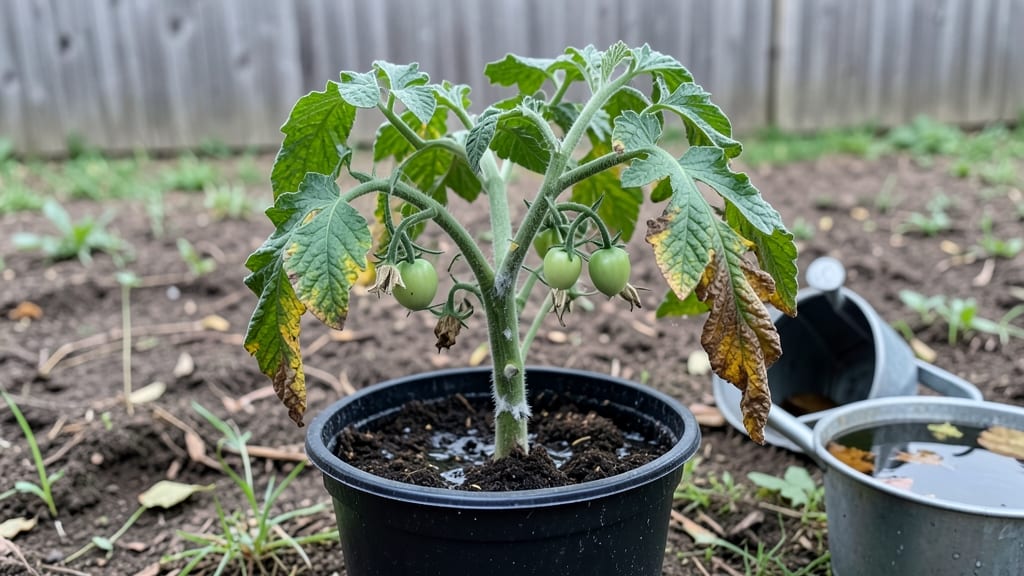
Overwatering plants is the silent killer of more gardens than pests or drought combined. 🌱 I’ve watched ferns drown in their own saucers and succulents turn to mush in pots that never dry—yet the fix is simpler than you think.
The key isn’t just cutting back on water; it’s understanding how to reset the soil, roots, and plant’s confidence after too much moisture.
Most gardeners overwater because they assume plants need constant dampness, but roots actually need air almost as much as water. The first step is checking the soil: if it smells sour or the top inch stays soggy for days, you’ve got a problem.
Drainage fixes—like adding perlite or switching to pots with holes—can turn a death sentence into a quick recovery. For houseplants, a simple repotting into fresh, well-draining mix often saves them in just a few weeks.
What you’ll see after the right adjustments is a plant that snaps back to life—new growth on ferns, crisp leaves on succulents, and that telltale bounce when you gently tug the stems. The revival isn’t instant, but with these three targeted fixes, you’ll notice improvement within 10-14 days.
The real win? You’ll spot the early warning signs next time and act before it’s too late.
This works for everything from backyard perennials to windowsill herbs, though tropical plants and succulents need slightly different approaches. Let’s get your plants breathing easy again—no guesswork, just results.
Common Causes Of Plant Drowning
Even the most well-intentioned plant parents can accidentally turn their green friends into soggy messes. Overwatering isn’t just about pouring too much water—it’s often a mix of misjudgment, environmental factors, and plant biology gone wrong.
Let’s break down the real culprits behind why your plants might be drowning in their own downfall.
Humans have a habit of assuming "more is better," and plants are no exception. Many gardeners water on a schedule rather than observing their plants’ actual needs. Here’s why this backfires:
- Ignoring soil moisture: Sticking your finger an inch into the soil is the gold standard—if it’s damp, hold off! Overwaterers often assume soil dries out faster than it actually does, especially in humid climates or with dense potting mixes.
- Confusing thirst with wilting: Some plants (like succulents or cacti) need dry spells to thrive, but their wrinkled leaves can trick you into thinking they’re parched when they’re actually conserving water. Others, like ferns or calatheas, love moisture but can’t handle soggy roots for long.
- Autopilot mode: Setting a weekly watering reminder without checking conditions leads to disaster. Rainy days, AC units, or even a sudden cold snap can drastically alter how fast soil dries.
Pro tip: 💡 Use a moisture meter or the "squeeze test" (gently compress soil—if it crumbles, it’s dry; if it stays clumped, wait). And remember: Underwatering is easier to fix than overwatering.
If your plant’s pot lacks drainage holes—or you’re using a saucer that never dries—water has nowhere to go. Here’s how this plays out:
- Root suffocation: Roots need oxygen to breathe. When submerged in water, they suffocate, leading to root rot (a fungal nightmare). Even "water-loving" plants like peace lilies or pothos can’t survive if their roots are perpetually soggy.
- Trapped salts and minerals: Over time, excess water dissolves fertilizers and minerals, leaving a salty residue in the soil. This burns roots and prevents them from absorbing nutrients—like trying to drink a salty ocean.
- Compacted soil: Dense or clay-heavy soils hold water like a sponge. If your plant’s mix doesn’t have perlite, sand, or coco coir, water pools instead of draining, creating a permanent swamp.
Fix it fast: ✨ Repot into a container with drainage holes and a well-aerated mix (think 50% potting soil, 30% perlite, 20% orchid bark). If your pot is saucer-free, elevate it on pebbles or a rack to let excess water escape.
Your plant’s water needs aren’t static—they’re influenced by temperature, humidity, and light. Here’s how environmental factors sneakily cause overwatering:
| Factor | How It Tricks You | What Really Happens |
|---|---|---|
| 🌡️ Low light | Plants grow slower, so you assume they need less water. | Slow metabolism = roots can’t absorb water efficiently, leading to buildup. |
| 💧 High humidity | Air feels moist, so you skip watering. | Humidity slows evaporation, keeping soil damp longer than you realize. |
| ❄️ Cold temperatures | You cut back on water in winter. | Cold soil holds moisture longer—roots can’t process it, leading to rot. |
Adapt your routine: 🌡️ In low light? Water less frequently but deeply. In humidity? Let the top 2 inches dry out before watering again. And in winter? Reduce by 30-50%—plants hibernate too!
Not all plants are created equal—and neither are their water needs. Plopping a tropical monstera in a sunny, arid room (or a desert cactus in a steamy bathroom) sets you up for failure. Here’s how mismatches lead to overwatering:
- High-need plants in dry spots: A fern or calathea demands humidity. If you’re watering it "just in case" because your home is bone-dry, you’re drowning it instead of misting the air.
- Low-need plants in damp spots: Succulents or snake plants in a bathroom with a hot shower? Their roots won’t dry out, even if you water sparingly.
- Seasonal shifts: A houseplant that thrived in summer might need half the water in winter when growth slows.
Match the plant to the vibe: 🎯 Research your plant’s native habitat (jungle? desert?) and replicate conditions. If you love low-maintenance, opt for drought-tolerant varieties like zz plants or jade. If you crave lush greenery, invest in a humidifier or grouping plants together to create a micro-climate.
Overwatering is often a well-intentioned mistake, but now you’ve got the science to outsmart it. The key? Observe, adapt, and let your plants tell you what they need.
Revive & Rescue Your Soggy Plants
If your once-thriving greenery now looks more like a swamp than a garden, don’t panic—your plants can bounce back with the right care. The key is to diagnose the damage first, then take targeted action to restore balance.
Below, we map out the most common causes of overwatering and the exact steps to fix them—plus tips to keep it from happening again.
Cause: Soggy soil cuts off oxygen, causing roots to rot and leaves to yellow or drop.
How to Fix It:
- 🔥 Stop Watering Immediately
- Let the soil dry out completely before watering again. Stick your finger 1–2 inches deep—if it’s damp, wait.
- 🍳 Drain the Excess Moisture
- If the pot has no drainage holes, repot the plant into a container with holes. For heavy pots, place them on a tray of pebbles to lift them off the saucer and improve airflow.
- 👨🍳 Trim the Damage
- Snip off yellow or mushy leaves with clean scissors. Healthy leaves will regrow as the roots recover.
- 🥘 Adjust Your Watering Routine
- Water only when the top 1–2 inches of soil are dry. Use the "knuckle test"—if your knuckle feels dry, it’s time to water.
💡 Prevention Tip:
- Use well-draining soil mixes (add perlite or sand) and pots with multiple drainage holes. Terracotta pots help wick away excess moisture faster.
Cause: Too much moisture creates anaerobic conditions, leading to fungal growth (like mold) or bacterial rot.
How to Fix It:
- ⏰ Let It Breathe
- Move the plant to a bright, indirect spot (but avoid direct sun, which can stress already weak plants). Improve airflow by spacing plants apart.
- 🔪 Refresh the Soil (If Needed)
- For mild cases: Gently loosen the top layer of soil with a fork or chopstick to break up compacted, waterlogged areas.
- For severe cases: Remove the plant, trim rotted roots (healthy roots are firm and white; discard mushy brown ones), and repot in fresh, sterile soil.
- 🌡️ Treat Fungal Issues
- Sprinkle fungicide (like neem oil or hydrogen peroxide solution—1 part peroxide to 4 parts water) on the soil. Avoid wetting the leaves to prevent spread.
🔥 Pro Tip:
- If repotting, sterilize your tools with rubbing alcohol to prevent introducing new pathogens.
Cause: Overwatering + poor drainage = roots suffocate, leading to wilting even when soil feels damp.
How to Fix It:
- 🌊 Test the Soil’s Moisture Level
- Press your finger into the soil—if it feels slimy or smells sour, the roots are drowning. If it’s dry at the top but wet below, you’ve got a drainage issue.
- 🛠️ Upgrade the Pot Setup - Option 1 (Quick Fix): Place the pot in a larger saucer filled with pebbles (keep pebbles above water level).
This lifts the pot and allows excess water to evaporate. - Option 2 (Long-Term): Repot into a container with better drainage (e.g., switch from a decorative cache pot to a functional terracotta one underneath).
- 💧 Water Less, But More Deeply
- Instead of daily light watering, soak the soil thoroughly once a week (or when the top 3 inches are dry). This encourages roots to grow deeper, seeking moisture and improving stability.
✨ Prevention Hack:
- Group plants with similar water needs together and water them as a unit. This reduces guesswork and overwatering.
If your plant is completely limp, blackened at the base, or falling over, it may need intensive care:
- 🌿 Check for Salvageable Roots
- Gently remove the plant from the soil and inspect the roots. If more than half are mushy or black, the plant may not recover—but try anyway!
- 🧼 Clean & Repot
- Trim all rotted roots, then rinse the remaining roots in a 1:10 hydrogen peroxide solution (or fungicide) for 5 minutes to kill bacteria.
- Repot in sterile, fast-draining soil (cactus/succulent mix works well for a reset).
- 🌞 Create a Humidity Tent (If Leaves Are Crispy)
- Place a clear plastic bag over the plant (with sticks to hold it open) to trap moisture. Remove it daily for 10 minutes to prevent mold.
- 📅 Monitor Closely
- Keep the soil barely moist (not soggy) for the first 2 weeks. Avoid fertilizing until new growth appears.
Remember: Plants are resilient! With the right adjustments, most can recover in 2–4 weeks. The key is patience—don’t rush the drying process, and always prioritize drainage over frequency when watering.
Frequently asked questions about reviving overwatered plants
Why do my plant leaves turn yellow when I water too much?
Yellow leaves signal root suffocation from excess moisture. When roots can't breathe, they release toxins that travel upward, causing leaves to yellow and drop. This is your plant's SOS—stop watering immediately and let the soil dry out completely before watering again.
Can I save a plant with mushy, black stems?
It depends on how much of the plant is affected. If only the stems are mushy but roots are still firm, trim the damaged parts and repot in fresh, dry soil. For severe cases, check roots—if more than 50% are black/mushy, the plant may not recover. Try a hydrogen peroxide soak (1:10 ratio) for roots before repotting.
How often should I water plants after fixing overwatering?
Start with a 10-14 day dry period to let roots recover. Then water only when the top 2 inches of soil are bone dry. Use the "finger test"—if it feels dry 1-2 inches down, it's time. Adjust based on your plant type and environment (e.g., succulents need longer dry spells than ferns).
What's the best soil mix to prevent future overwatering?
Use a blend of 50% potting soil, 30% perlite, and 20% orchid bark or coco coir. This improves drainage while retaining enough moisture for roots. For container plants, add a 2-inch layer of gravel at the bottom of the pot before soil to create a drainage barrier.
Will my plant ever look the same after overwatering damage?
Most plants will regrow healthy leaves within 3-6 weeks if you catch the problem early. Focus on new growth—old damage won't reverse, but your plant will bounce back stronger. For severe cases, expect some leaf loss, but the plant structure (stems/trunk) will stabilize. Patience is key!