
Tools
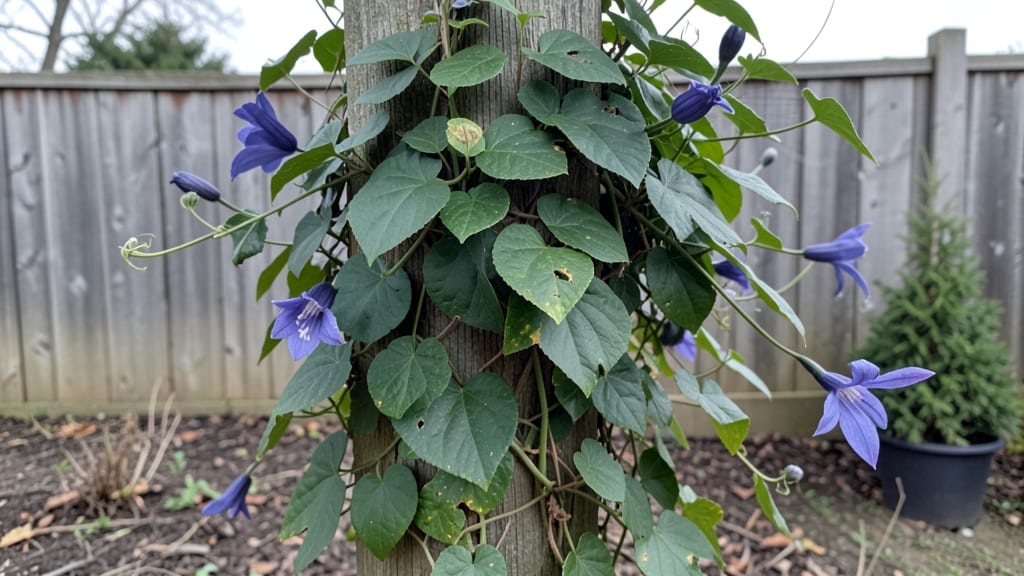
My evergreen trellis plants transformed a dull fence into a lush, green privacy screen that never loses its charm—even in winter. 🌿 The right climbing evergreens turn vertical space into a living tapestry, adding texture and structure to any yard while keeping neighbors' views at bay.
I learned the hard way that not all climbers stay green year-round, but these picks never let me down.
The beauty of evergreen trellis plants is how they work in any design—whether you're creating a focal point, a tall privacy hedge, or even a climbing wall for kids.
English ivy, climbing hydrangeas, and star jasmine are my top choices because they handle shade, wind, and different soil types without fuss. Most need minimal pruning once established, and their glossy leaves add a touch of sophistication to any outdoor space.
By late spring, you'll see these plants thicken into dense, impenetrable screens that block noise and wind while adding value to your property. The best part? They keep their color and shape through snowstorms, so your garden stays stunning no matter the season.
I'll show you exactly which varieties thrive in your zone and how to train them for maximum impact.
From coastal gardens to city balconies, these plants adapt beautifully—just adjust spacing and support based on your climate. Let's get growing with evergreens that deliver year-round elegance without the seasonal drama of deciduous climbers.
📚 In This Guide
- What you need
- Instructions
- Tips and common mistakes
- Wrapping up and next steps
What you need
- ● Trellis Structure: Wooden lattice panel (4’ x 8’ or custom size, ½”–¾” thick)
- ● OR Metal/vinyl trellis (galvanized steel or powder-coated, 6’–8’ tall)
- ● Stakes or posts (4”–6” diameter, 4–6 ft long, 4–6 units depending on size)
- ● Concrete mix or heavy-duty anchors (for securing posts)
- ● Evergreen Plants: Climbing evergreens: Ivy (Hedera helix), Star Jasmine (Trachelospermum jasminoides), or Climbing Hydrangea (Hydrangea petiolaris) (3–5 mature plants or 10–15 young cuttings)
- ● Potting soil (1–2 bags, well-draining mix with compost)
- ● Slow-release fertilizer (10–15 lb bag, 10-10-10 NPK ratio)
- ● Tools: Shovel or spade (for digging)
- ● Pruning shears (bypass or anvil type, sharp blades)
- ● Measuring tape (25 ft)
- ● Level (4 ft)
- ● Drill + screws/nails (for assembling trellis)
- ● Garden gloves (heavy-duty, waterproof)
- ● Mulch (2–3 cubic feet, cedar or pine for moisture retention)
- ● Drip irrigation kit (for automated watering)
- ● Plant ties or soft twine (for guiding vines initially)
- ● Decorative lights (solar-powered for ambiance)
- ● Trellis paint/stain (weather-resistant, if using wood)
How to select and install evergreen trellis plants for privacy
Here's my go-to approach for creating a lush, green privacy screen that stays beautiful all year.
🌿 Step 1: Choose the Right Evergreen Climbers
Start with plants that thrive in your climate and provide dense foliage. Icy vine (Parthenocissus tricuspidata) and English ivy (Hedera helix) are my top picks—they cling naturally to trellises without needing ties. For warmer zones, consider star jasmine (Trachelospermum jasminoides), which offers fragrant white flowers in spring and glossy evergreen leaves year-round.
Check your USDA hardiness zone before buying. Most evergreen climbers tolerate 5-9, but some varieties like creeping fig (Ficus pumila) only survive in 8-11. Plant in fall or early spring when temperatures are mild—this gives roots time to establish before summer heat.
🪴 Step 2: Install the Trellis Structure
Use a 6-8 foot tall trellis made of wood, metal, or PVC—just make sure it's sturdy enough to support mature weight. I like lattice-style designs because they provide plenty of surface area for vines to grip. Bury support posts 12-18 inches deep or anchor them with concrete footings to prevent leaning.
Space trellises 3-4 feet apart for a continuous privacy screen. If you're covering a fence, attach horizontal slats every 12-18 inches to give vines something to climb. Avoid plastic trellises—they can get too hot in summer and may warp over time.
🌱 Step 3: Plant and Position for Maximum Growth
Dig holes twice as wide as the root ball but only as deep as the container. Place the plant so the top of the root ball sits 1-2 inches below soil level—this prevents stem rot while encouraging strong root growth. Backfill with native soil mixed with 20% compost to improve drainage.
Position trellises where they'll get 4-6 hours of sunlight daily. Most evergreen climbers tolerate partial shade, but they'll grow denser and faster with more light. Water deeply after planting, then mulch with 2-3 inches of shredded bark to retain moisture and suppress weeds.
✂️ Step 4: Train Vines and Maintain Year-Round Health
Gently guide the main stems along the trellis using soft plant ties or twine. I avoid metal staples—they can damage bark as vines thicken. Prune in late winter or early spring to remove dead or crossing branches. Cut back leggy growth by ⅓ to encourage bushier, denser foliage.
Fertilize lightly in spring with a 10-10-10 balanced formula—too much nitrogen makes leaves soft and prone to damage. Watch for pests like spider mites (common on ivy) and treat early with neem oil if you see webbing between leaves. A good spray every 2-3 weeks in summer keeps them in check.
💧 Step 5: Water and Monitor for Seasonal Changes
Water newly planted climbers 2-3 times per week until established (about 6-8 weeks). Mature plants need water only when the top 2 inches of soil feel dry. Overwatering is the #1 killer—evergreen vines rot quickly in soggy soil. Reduce watering in winter unless you have a particularly dry climate.
In fall, apply a 2-inch layer of mulch around the base to insulate roots. Some climbers, like star jasmine, drop older leaves in winter—don't panic, this is normal. New growth will emerge in spring from the base. If you notice brown patches, it's often from winter burn; trim affected areas in early spring.
Tips & tricks for perfect evergreen trellis privacy screens
These game-changing tips will help you create a lush, evergreen privacy screen that thrives year after year with minimal fuss.
Climber Selection Strategy: When choosing between icy vine and English ivy in Step 1, consider your climate needs. Icy vine handles colder zones (5-7) better, while English ivy thrives in milder areas (7-9). For faster coverage, opt for star jasmine—it grows aggressively but needs warmer conditions (8-10). Real talk: I've seen icy vine survive winters in zone 4 with proper mulching, but don't push your luck beyond its natural range.
Trellis Stability Tip: In Step 2, when burying posts 12-18 inches deep, use a post hole digger with a level to ensure perfect vertical alignment. For high-wind areas, add diagonal braces between posts for extra support. I learned this the hard way after watching a 7-foot trellis lean dangerously in a summer storm—now I always reinforce with metal rebar stakes for additional anchoring.
Planting Depth Secret: The 1-2 inches below soil level in Step 3 is critical—it protects against stem rot while encouraging root expansion. To check depth, use a level after planting to ensure the trellis remains straight. Pro tip: Mix in a handful of mycorrhizal fungi with the compost to boost root development in the first growing season.
Sunlight Optimization: For maximum density in Step 3, position your trellis to catch morning sun (east-facing) and afternoon shade. Most evergreens tolerate partial shade, but they'll grow fuller with 4-6 hours of direct light. I've seen ivy grow twice as dense when given morning sun versus all-day shade—it makes a noticeable difference in coverage speed.
Pro Tips for Evergreen Trellis Plants
- These game-changing tips will help you create a lush, evergreen privacy screen that thrives year after year with minimal fuss.
- Climber Selection Strategy: When choosing between icy vine and English ivy in Step 1, consider your climate needs.
- Trellis Stability Tip: In Step 2, when burying posts 12-18 inches deep, use a post hole digger with a level to ensure perfect vertical alignment.
Frequently asked questions
Got questions about evergreen trellis plants?
You’re not alone! Here are answers to the most common queries—from planting tips to troubleshooting—so you can create lush, year-round privacy with confidence.
What’s the best time of year to plant evergreen trellis plants?
Plant in early spring or fall when temperatures are mild (50–75°F). Avoid extreme heat or frost, as roots need time to establish. For container-grown plants, you can plant year-round in cooler climates, but spring/fall still offers the best success rate.
How do I prevent evergreen trellis plants from dying in winter?
Most evergreen climbers (like Ivy, Star Jasmine, or Climbing Hydrangea) are hardy, but young plants may need protection. Mulch the base with 2–3 inches of wood chips, water deeply before frost, and wrap tender varieties in burlap if temps drop below 20°F. Prune dead foliage in early spring.
Can I use a trellis with non-evergreen vines for partial privacy?
Mix evergreens (e.g., English Ivy) with seasonal climbers like Clematis or Wisteria for layered privacy. Just ensure the trellis is sturdy enough to support combined weight. Non-evergreens will die back in winter, so pair them with hardy evergreens for year-round coverage.
What’s the best trellis material for heavy evergreen climbers?
Choose metal, wood, or thick plastic for durability. Metal trellises (powder-coated) resist rot and support weighty vines like Climbing Hydrangea. Cedar or redwood are great for rustic looks, while plastic lattice is lightweight and affordable. Avoid flimsy wire—it can’t handle thick foliage!
Why are my evergreen trellis plants turning yellow or dropping leaves?
Yellowing leaves often signal overwatering, poor drainage, or nutrient deficiency. Check soil moisture (keep it evenly moist but not soggy) and ensure the trellis isn’t blocking airflow. Fertilize in spring with a balanced formula (10-10-10), and watch for pests like spider mites—spray with neem oil if needed.
Pro Tip:
For faster growth, train vines along the trellis early by gently tying stems with soft plant ties or twine. Avoid plastic ties—they can girdle stems as the plant thickens. Prune regularly to encourage bushier, denser coverage!
Wrapping up and next steps
Transforming your space with evergreen trellis plants is a game-changer for year-round privacy and beauty! 🌿 These hardy climbers offer lush greenery, easy maintenance, and versatile styling—whether you’re framing a patio, masking a fence, or adding vertical charm.
With the right plants and a little creativity, you’ll enjoy a thriving, evergreen oasis that grows with you.
Ready to get started? Pick your favorite climbers, gather your supplies, and let nature do the rest! 🌱 Sketch a quick design, plant with confidence, and watch your trellis garden flourish—one season at a time.