
Companion Plants
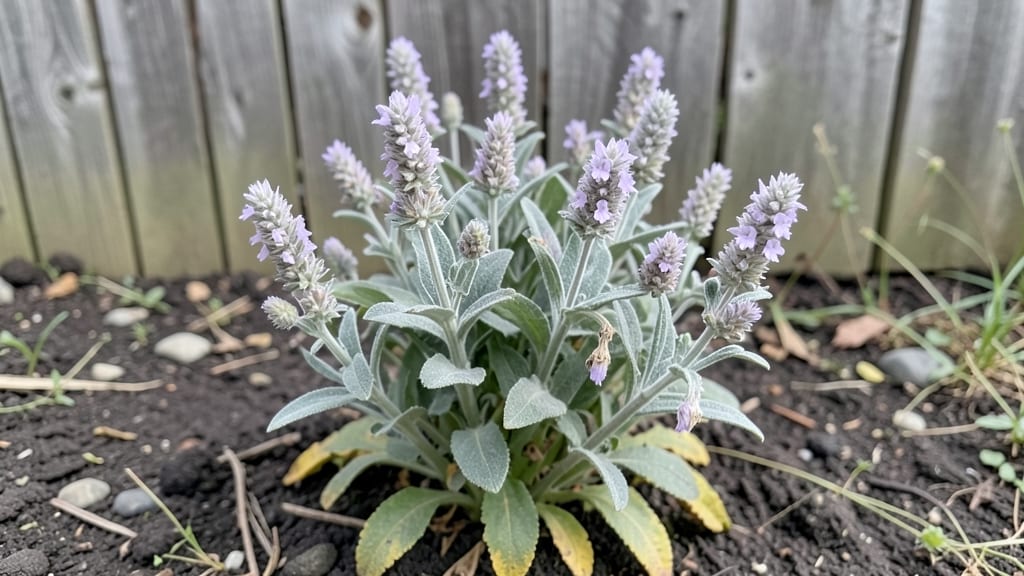
Flowering stock plants (Matthiola incana) turn my garden into a fragrant, color-drenched dream every season—no matter how I prune them. 🌸 The trick isn’t just deadheading or pinching; it’s understanding how these plants want to grow so they keep blooming like clockwork.
I’ve learned that a little precision with the shears makes all the difference between a single flush of flowers and months of continuous color.
Stock plants thrive in full sun (at least 6 hours daily) and well-draining soil that’s slightly alkaline—think crumbly, sandy loam mixed with compost. They’re surprisingly forgiving about water, but soggy roots will turn your fragrant blooms into a sad, leggy mess.
Fertilize lightly every 4-6 weeks with a balanced formula (10-10-10), and you’ll see those clusters of tiny blossoms multiply. The key is consistency: too much food leads to lush foliage but fewer flowers.
By mid-summer, you’ll be snipping back spent blooms and shaping the plant to encourage bushier growth—each cut directs energy toward more flowers, not just leaves. My plants now produce three waves of blooms from spring through fall, with some varieties even flowering lightly in winter if protected.
The scent alone—sweet, honey-like—makes the effort worthwhile, and the colors range from pure white to deep magenta, perfect for cutting or borders.
Whether you’re growing from seed (which germinates best in cool weather) or propagating cuttings (a foolproof way to clone your favorites), stock plants adapt to containers or garden beds.
Pair them with low-growing companions like thyme or alyssum to keep pests away and extend their show. Here’s how to keep them thriving all season long.
📚 In This Guide
- What you need
- Instructions
- Tips and common mistakes
- Wrapping up and next steps
What you need
- ● Flowering stock plants: 3–5 mature plants (choose varieties like Matthiola incana, Matthiola longipetala, or hybrid cultivars for vibrant blooms).
- ● Well-draining potting mix: 1–2 bags (5–10 gallons each) of a blend designed for annuals or herbs (e.g., Miracle-Gro Potting Mix or coconut coir-based mixes).
- ● Containers: 3–5 pots (10–12 inches in diameter) with drainage holes for each plant.
- ○ Optional: Self-watering containers or fabric grow bags for better moisture control.
- ● Pruning shears: 1 pair of bypass pruners (sharp, stainless steel, 5–7 inches long).
- ● Fertilizer: Balanced liquid fertilizer (e.g., 10-10-10 or 20-20-20) for regular feeding.
- ○ Optional: Slow-release granules (e.g., Osmocote) for convenience.
- ● Gloves: 1 pair of gardening gloves (nitrile-coated for grip and protection).
- ● Watering can: 1 with a fine-rose nozzle (or a spray bottle for seedlings).
- ● pH testing kit: 1 (to monitor soil acidity; ideal range: 6.0–7.0).
- ● Support stakes: 3–5 bamboo or floral stakes (6–12 inches tall) for tall varieties.
- ○ Optional but helpful: Grow lights (LED, full-spectrum) for indoor setups.
- ● Mulch (e.g., straw or pebbles) to retain moisture.
- ● Plant labels for tracking varieties.
- ● Sunlight: 6–8 hours of full sun daily (south-facing windows or outdoor spots).
- ● Temperature: Ideal range: 60–75°F (avoid frost; bring indoors if temps drop below 50°F).
- ● Watering routine: Keep soil consistently moist but not soggy (water when top inch is dry).
- ● Pruning schedule: Deadhead spent blooms weekly to encourage continuous flowering.
Step-by-Step instructions for year-round stock plant care
Here's how to coax continuous blooms from your stock plants using strategic pruning and care.
🌱 Step 1: Select and Acclimate Your Stock Plants
Choose healthy stock plants with sturdy stems and vibrant foliage—avoid those with yellowing leaves or leggy growth. I always inspect the undersides of leaves for spider mites or aphids before bringing them indoors. Place your plants in a bright, indirect light location for the first 3-5 days to help them adjust without shock.
Stock plants thrive in 60-70°F temperatures, so if your home runs cooler, position them near a south-facing window where they'll receive gentle morning sun. You'll notice new growth within 7-10 days if the transition is smooth. Avoid placing them near drafts or heating vents, as sudden temperature swings stress the plants and stunt flowering.
✂️ Step 2: Prune for Bushier Growth and Blooms
Use clean, sharp pruning shears to trim back one-third of the plant's height just above a leaf node where new growth will emerge. This encourages branching and more flowers. I always make cuts at a 45-degree angle to prevent water from pooling on the stem, which can cause rot. Remove any dead, yellow, or diseased leaves immediately to redirect the plant's energy toward new growth.
Prune in the morning when the plant is hydrated, and avoid heavy pruning during hot afternoons. You'll see new shoots emerging from the leaf nodes within 2-3 weeks. If your stock plant produces long, leggy stems, pinch back the tips to promote bushier growth—this is especially important for indoor plants that stretch toward light sources.
💧 Step 3: Water and Fertilize for Continuous Blooms
Water your stock plants when the top 1-2 inches of soil feel dry to the touch. Overwatering is the fastest way to kill these plants, so I always check moisture levels before adding more water. Use room-temperature water to avoid shocking the roots, and ensure the pot has drainage holes to prevent soggy soil. Fertilize every 4-6 weeks with a balanced, water-soluble fertilizer diluted to half strength to avoid burning the roots.
Stock plants are heavy feeders, so I switch to a bloom-boosting fertilizer (high in phosphorus) once buds form. You'll notice new buds appearing within 2-3 weeks of consistent feeding. If the leaves start yellowing between the veins, it's a sign of over-fertilizing—flush the soil with water immediately to correct the imbalance.
☀️ Step 4: Provide Optimal Light for Year-Round Blooms
Stock plants need 6-8 hours of bright, indirect light daily to produce flowers continuously. If natural light is insufficient, supplement with a grow light placed 6-12 inches above the plant for 12-14 hours a day. I use a full-spectrum LED bulb to mimic sunlight, and I adjust the height as the plant grows to maintain the proper distance.
Rotate the pot quarter-turn weekly so the plant grows evenly and doesn’t lean toward the light source. You'll see the stems thicken and leaves darken slightly, indicating stronger growth. If the leaves turn pale or stretch excessively, it’s a sign the plant needs more light—move it closer to the window or increase grow light exposure gradually to avoid leaf burn.
⏰ Step 5: Deadhead and Maintain for Long-Lasting Flowers
Deadhead spent blooms by pinching or cutting the stem just above the next set of leaves. This redirects the plant’s energy toward producing new flowers instead of seeding. I always deadhead in the morning when the blooms are fully open but before they wilt. Use clean pruners to avoid damaging the stems, and remove any seed pods that form to encourage more flowering.
With consistent deadheading, your stock plants will produce continuous blooms for months. If the plant starts to look tired after heavy flowering, give it a light trim back and a rest period of 2-3 weeks with reduced watering. You'll notice fresh growth and new buds emerging within 1-2 weeks of this reset, proving that a little pruning goes a long way for these resilient plants.
Tips & tricks for perfect year-round stock plant care
Here's what nobody tells you about keeping your stock plants blooming like clockwork—these are the secrets that separate showy displays from sad, sparse stems.
Lighting Strategy: The 6-8 hours of bright, indirect light in Step 4 is non-negotiable, but here's the thing: if you're using grow lights, position them just 6 inches above the plant's tallest point initially. As your stock plant grows, raise the lights gradually to maintain that distance—this prevents leggy growth while ensuring even exposure. I've seen plants stretch like over-caffeinated teenagers when lights stay too close, so adjust weekly as mentioned in Step 4. The 12-14 hours of daily exposure mimics natural daylight cycles perfectly, but if you can't commit to that schedule, err on the side of more light rather than less.
Pruning Precision: When you're trimming back one-third of the plant's height in Step 2, focus on making cuts just above a leaf node where new growth will emerge. This is where the magic happens—those nodes contain dormant buds that will burst into life with proper care. I always make my cuts at a 45-degree angle to maximize surface area for faster healing, and I use clean shears to avoid spreading disease. Pro tip: If your plant looks particularly leggy, you can do a second light pruning 4-6 weeks after the initial trim to encourage even bushier growth. Just don't overdo it—stock plants are resilient but not indestructible.
Fertilizer Timing: The 4-6 week fertilization schedule in Step 3 is perfect, but here's the real secret: switch to your bloom-boosting fertilizer (high in phosphorus) the moment you see the first tiny buds forming. This is when your plant needs that extra phosphorus push to develop strong, vibrant flowers. I've found that applying it in the morning gives the roots the whole day to absorb nutrients before nightfall. And if you notice those telltale yellowing between the veins? That's your plant screaming for help—flush the soil immediately to prevent root burn.
Acclimation Hack: That 3-5 day acclimation period in Step 1 is crucial, but here's how to make it work even better: place your new stock plant in the same location where it will permanently reside during those first few days. This helps it adjust to temperature fluctuations and light patterns before the big move. I also like to mist the leaves lightly during this period to reduce transplant shock. And remember, those 60-70°F temperatures? If your home runs cooler, consider using a small space heater near the plant (safely!) to maintain optimal conditions during the acclimation phase.
Pro Tips for Flowering Stock Plants
- Here's what nobody tells you about keeping your stock plants blooming like clockwork—these are the secrets that separate showy displays from sad, sparse stems.
- Lighting Strategy: The 6-8 hours of bright, indirect light in Step 4 is non-negotiable, but here's the thing: if you're using grow lights, position them just 6 inches above the plant's tallest point initially.
- Pruning Precision: When you're trimming back one-third of the plant's height in Step 2, focus on making cuts just above a leaf node where new growth will emerge.
Frequently asked questions
Got questions about keeping your flowering stock plants blooming beautifully? You’re not alone! Here are some of the most common queries—plus straightforward answers to help you master the art of pruning and care.
When is the best time to prune flowering stock plants for continuous blooms?
Prune your stock plants after they’ve finished flowering in early summer (June-July) to encourage a second flush of blooms. Light trimming (removing spent flowers) can also be done throughout the season to promote more flowers. Avoid heavy pruning in fall/winter—let the plant rest!
Why aren’t my stock plants reblooming after pruning?
Reblooming depends on three key factors: light (6+ hours of sun daily), water (consistent moisture but not soggy soil), and fertilizer (balanced feed every 4-6 weeks). Deadheading (removing faded blooms) also signals the plant to produce more flowers. If your stock isn’t reblooming, check for pests or nutrient deficiencies too!
Can I use flowering stock plants as cut flowers, and how long will they last?
Stock flowers are fantastic cut flowers—their sweet fragrance and delicate blooms add charm to bouquets. Cut stems at an angle, remove lower leaves, and place in fresh water daily. With proper care, they’ll last 7–10 days in a vase. Pro tip: Add a splash of bleach (1 tsp per quart of water) to extend vase life!
What’s a good alternative if my stock plants aren’t thriving?
If your stock plants struggle with pests, disease, or poor reblooming, try these low-maintenance alternatives for year-round color:
- Sweet Alyssum – Fragrant, drought-tolerant, and self-seeding.
- Calendula – Edible, pest-repellent, and blooms nonstop.
- Zinnias – Bold flowers, heat-resistant, and great for cuttings.
- Nasturtiums – Edible, fast-growing, and deter pests.
How do I prevent pests like aphids or whiteflies from ruining my stock plants?
Prevention starts with healthy plants—ensure good airflow and avoid overwatering. For pests, try these solutions:
- Spray with neem oil (mix 1 tbsp per quart of water).
- Introduce ladybugs (natural aphid predators).
- Wipe leaves with soapy water (1 tsp mild soap per gallon).
- Remove heavily infested leaves immediately.
Wrapping up and next steps
Growing flowering stock plants year-round is totally within reach—just combine the right pruning techniques with a little patience and care! Whether you’re trimming for shape, encouraging blooms, or reviving leggy stems, every snip brings you closer to a vibrant, long-lasting display. 🌸
Now that you’re armed with the know-how, why not start your next pruning session? Grab your shears, head outdoors, and give your stock plants the attention they deserve—your garden (and pollinators!) will thank you. Happy pruning! 🌿