
Watering
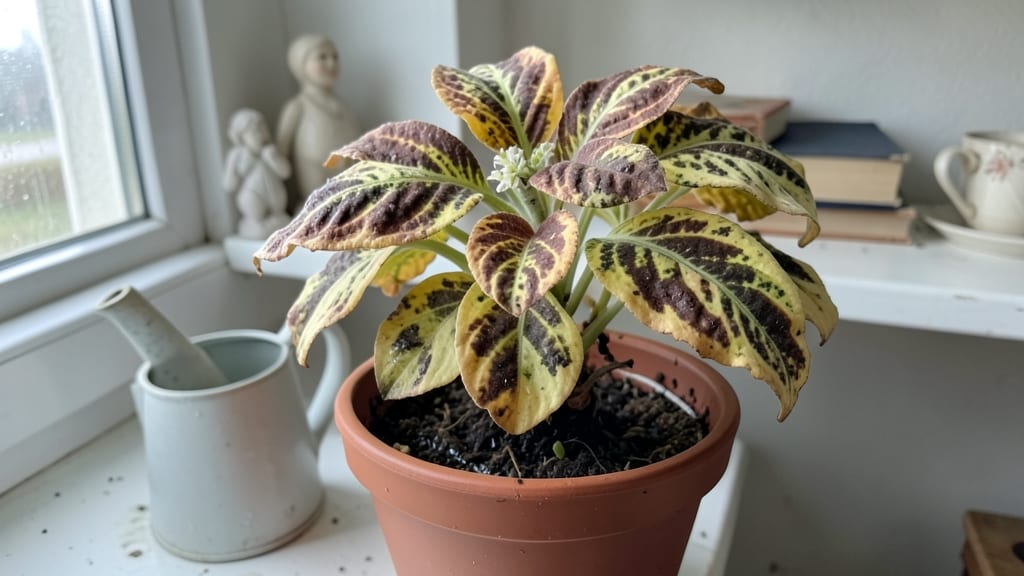
An overwatered coleus plant with yellow leaves doesn’t mean goodbye to your stunning foliage—it just needs a reset. 🌱 I’ve nursed back more than a few soggy coleus plants, and the key is acting fast before root rot sets in.
The first step is always checking how wet the soil really is, because what looks dry on top might still be a swamp below.
Here’s the thing—coleus hate soggy feet, but they also need consistent moisture. The fix starts with letting the top 2 inches of soil dry out completely before watering again. If your pot lacks drainage holes, it’s time to repot—this is a non-negotiable for coleus survival.
Snip off any yellow leaves at the base (they won’t recover), but leave the healthy ones—they’re your plant’s lifeline.
Within 7-10 days, you’ll see new growth pushing through, and the vibrant colors will return if you’ve adjusted the watering routine. The real secret? Stick your finger in the soil—if it’s damp past 1 inch, wait another day.
This isn’t just about saving the plant; it’s about training yourself to water smarter next time.
This works for both potted coleus and those in garden beds—just dig down to check moisture levels. Once you’ve mastered the “finger test,” you’ll never overwater again. Your coleus will thank you with bold, healthy leaves that’ll have neighbors asking for cuttings.
Why it happens
When your vibrant coleus starts showing signs of distress—drooping leaves, yellowing foliage, or even mushy stems—it’s often a cry for help from its roots. Overwatering may seem counterintuitive (after all, plants need water!), but it’s one of the most common and damaging mistakes for tropical plants like coleus.
Let’s break down the key reasons why your coleus might be drowning in its own pot, and how its biology reacts to excess moisture.
Coleus plants thrive in well-draining soil because their roots are sensitive to waterlogged conditions. When soil lacks proper drainage—whether due to compacted clay, a lack of perlite or sand, or a container without drainage holes—water pools around the roots instead of draining away.
This creates an anaerobic environment, where oxygen levels drop sharply.
Why does this matter? Roots need oxygen to respire, just like humans need air to breathe. Without it, roots suffocate, leading to:
- Root rot: Fungal pathogens like Phytophthora and Pythium thrive in soggy soil, attacking root tissues and cutting off nutrient uptake.
- Nutrient starvation: Waterlogged soil binds essential nutrients (like nitrogen and phosphorus) too tightly, making them inaccessible to the plant.
- Toxic buildup: Over time, excess water leaches beneficial minerals (e.g., calcium, magnesium) while leaving behind harmful salts or aluminum, which further stress the roots.
Actionable fix: Amend your soil with coarse sand, perlite, or orchid bark (20-30% by volume) to improve aeration. Always use pots with drainage holes—even decorative cache pots should sit in saucers with a tray underneath to catch excess water.
Coleus plants are tropical but not aquatic—they prefer consistently moist (not soggy) soil. Many gardeners fall into the trap of watering on a schedule rather than checking soil moisture. Factors like humidity, temperature, pot size, and even the season can drastically change a coleus’s thirst level.
Here’s how overwatering sneaks up on you:
- Ignoring the "finger test": Sticking your finger 1-2 inches into the soil is the gold standard. If it’s damp, wait. If it’s bone-dry, it’s likely been neglected—but if it’s squishy, you’ve overdone it.
- Large pots = slower drying: A 6-inch pot may need water every 5-7 days in summer, while a 12-inch pot might take 10-14 days. Bigger isn’t always better for coleus!
- Humidity confusion: High humidity (common in bathrooms or kitchens) slows evaporation, tricking you into thinking the soil is drier than it is.
Actionable fix: Water only when the top 1-2 inches of soil feel dry. In summer, this might mean every 3-5 days; in winter, stretch it to 7-10 days. Use a moisture meter for precision, or opt for self-watering pots with a reserve capacity (but monitor them closely).
Coleus plants are resilient, but their tolerance for wetness drops when other conditions are off. Heat, cold, or poor airflow can turn a "just moist enough" pot into a death trap for your plant. Here’s how:
| Factor | How It Contributes to Overwatering | Coleus Reaction |
|---|---|---|
| 🌡️ Low Temperatures | Cold soil (below 60°F) slows root activity and evaporation, keeping moisture trapped. | Roots stay waterlogged longer, increasing rot risk. Leaves may yellow or develop brown edges. |
| 🌬️ Stagnant Air | Poor airflow (e.g., crammed windowsills, no fan) reduces transpiration, so the plant "holds onto" water. | Fungal diseases like Botrytis spread faster in damp, still air. |
| ☀️ Indirect Light Misjudgment | Coleus needs bright, indirect light. Too much direct sun + overwatering = a recipe for leaf scorch and root rot. | Leaves may crisp at the edges while roots drown below. |
Actionable fix: Keep coleus in bright, indirect light (e.g., east-facing windows or 1-2 feet from a south window). In winter, supplement with a grow light if natural light fades. Ensure airflow with a small fan (set to low) or by rotating the pot weekly to prevent mold.
Coleus plants have a delicate balance between water uptake and transpiration (water loss through leaves). When overwatered, this system breaks down:
- Stomata shutdown: Leaves detect excess moisture and partially close stomata (pores) to reduce water loss. This slows photosynthesis, causing yellowing or wilting.
- Root pressure drops: Healthy roots generate root pressure to pull water upward. Waterlogged roots lose this ability, leading to:
- 🟡 Yellow leaves: Chlorophyll breaks down as nutrients stall.
- 🟤 Drooping: Cells can’t maintain turgor (firmness) without proper water-nutrient transport.
- Toxin buildup: Overwatered plants accumulate ethylene gas (a stress hormone) and alcohol from anaerobic respiration, further damaging cells.
Actionable fix: If your coleus is already struggling, trim affected leaves (but save healthy stems for propagation). Repot in fresh, dry soil and hold off on watering for 3-5 days to let roots recover. Use a fungicide (like neem oil) if you suspect rot.
Revive Your Coleus Fast: Step-by-Step Fixes
Now that you know the signs and root causes of an overwatered coleus, it’s time to take action! The good news? Coleus plants are resilient, and with the right approach, you can nurse them back to health—without losing their stunning foliage.
Below are targeted solutions based on the most common issues, along with prevention tips to keep your plant thriving.
Cause: Excessive moisture suffocates roots, leading to rot. Fix:
- Pause watering for at least 3–5 days to allow the soil to dry out.
- If the soil feels soggy even after a few days, let it dry longer—patience is key!
- Pro Tip: Stick your finger 1–2 inches deep into the soil. If it’s damp, wait longer.
Cause: Overwatering + poor drainage = fungal/bacterial root rot. Fix:
- Gently remove the plant from its pot and inspect the roots.
- Healthy roots are firm and white; rotten roots are mushy, brown, or black.
- Trim the bad roots with clean scissors, cutting away any squishy or discolored sections.
- Dip the roots in a fungicide solution (like hydrogen peroxide 3% diluted with water) or cinnamon powder (natural antifungal) for 10 minutes.
- Repot in fresh, well-draining soil (see next step).
> ⚠️ Warning: If more than half the roots are rotten, your plant may not recover. Start fresh with a cutting!
Cause: Poor soil or no drainage traps excess water. Fix:
- Choose a pot with drainage holes (if repotting).
- Use a fast-draining mix: Combine 50% potting soil, 30% perlite, and 20% orchid bark (or coco coir).
- Raise the pot on a saucer or tray to prevent water pooling.
- Pro Tip: Add a layer of charcoal (1 inch) at the bottom to absorb toxins and improve drainage.
Cause: Inconsistent watering leads to stress and over/under-watering cycles. Fix:
- Water only when the top 1–2 inches of soil are dry (stick your finger in to test!).
- Water deeply but less frequently—coleus prefers moderate moisture, not soggy soil.
- Use the "soak and dry" method:
- Water until it drains from the bottom.
- Empty the saucer after 10 minutes to prevent sitting water.
- Morning watering is best—evaporation happens faster, reducing rot risk.
| Watering Schedule Guide | Signs Your Coleus Needs Water | Signs It’s Overwatered |
|---|---|---|
| Spring/Summer | Soil feels dry 1–2" deep | Yellow leaves, mushy stems |
| Fall/Winter | Soil stays dry longer (water every 7–10 days) | Drooping, slow growth |
Cause: Low light + high humidity = slower drying soil = rot risk. Fix:
- Move to bright, indirect light (east or north-facing windows are ideal).
- Avoid direct sun—it can scorch leaves while overwatering weakens the plant.
- Improve airflow by:
- Placing a small fan nearby (on low setting).
- Avoiding crowded plant shelves.
- Pro Tip: If humidity is high (e.g., bathroom), mist leaves lightly but keep soil dry.
Cause: Overwatering flushes out nutrients, but fertilizing too soon can stress the plant. Fix:
- Wait 2–3 weeks after repotting before fertilizing.
- Use a balanced, water-soluble fertilizer (like 10-10-10) diluted to half strength.
- Feed every 4–6 weeks during growing season (spring–fall).
- Avoid fertilizing if leaves are still yellow or roots are healing.
Once your coleus is back on track, prevent future overwatering with these habits: 💡 Use moisture meters for accuracy (no more guesswork!). 🌡️ Adjust for seasons—water less in winter when growth slows. 🏺 Upgrade pots—terracotta dries faster than plastic. ✨ Rotate your plant weekly for even light exposure (prevents leggy growth). 🚫 Never let it sit in saucer water—empty excess after 10 minutes.
- Good signs: New growth, firm stems, vibrant leaves.
- Slow progress? Try pruning yellow leaves (don’t wait for them to fall off) to redirect energy.
- Still struggling? Consider propagating healthy cuttings as insurance!
With these steps, your coleus should bounce back in 2–4 weeks, showcasing its bold, colorful foliage once again. 🌈🌿 Now go enjoy your revived plant—and give it the perfect care it deserves!
Frequently asked questions
Why do my coleus leaves turn yellow when overwatered?
Yellow leaves signal root stress from excess moisture. Overwatering suffocates roots by blocking oxygen, causing chlorophyll breakdown. The plant can't absorb nutrients properly, leading to yellowing. Check soil moisture—if damp past 1 inch, hold off on watering for 3-5 days to let roots recover.
Can I save my coleus if the stems feel mushy?
Mushy stems indicate advanced root rot, but you may still save it by acting fast. Trim away blackened roots, repot in fresh, dry soil with 50% perlite, and withhold water for 5-7 days. If over half the roots are rotten, propagation from healthy stems is your best bet.
How often should I water my coleus in winter?
Winter slows growth, so water only when the top 2 inches of soil are completely dry—typically every 7-10 days. Coleus needs less water in cooler months. Use a moisture meter if unsure, as humidity levels rise indoors during winter.
Will terracotta pots help prevent overwatering?
Terracotta wicks moisture faster than plastic, helping soil dry out between waterings. Choose pots with drainage holes and avoid decorative cache pots without them. For extra protection, elevate pots on feet to improve airflow around the base.
Can I use coffee grounds to fix overwatered soil?
Coffee grounds can help long-term by improving soil structure, but they won't fix immediate overwatering. Mix 10% composted grounds with fresh potting soil when repotting, but focus first on drainage and withholding water. The priority is saving roots, not amending soil yet.