
Watering
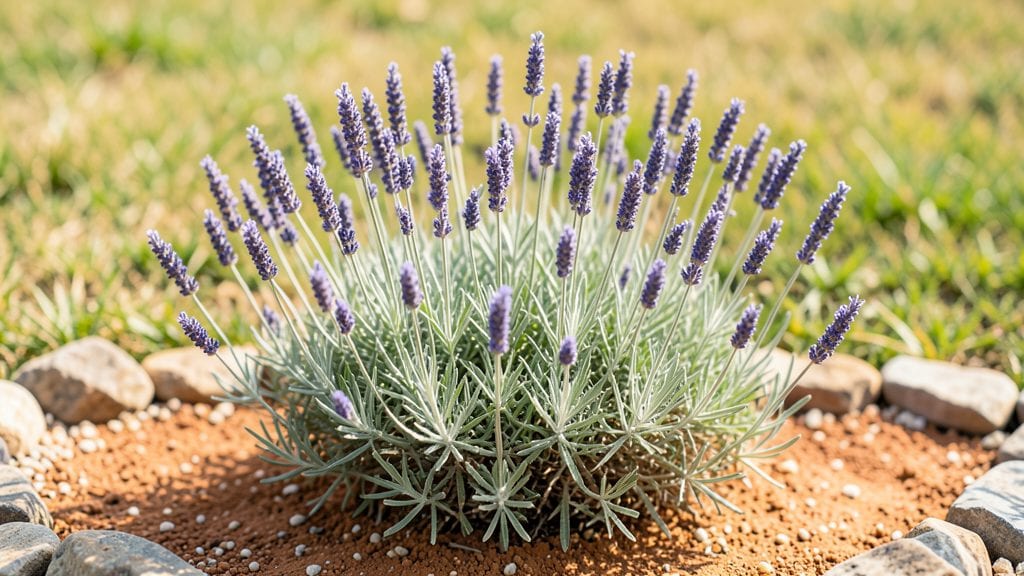
My lavender plant looked like a dried-up twig more than a fragrant shrub—until I fixed the underwatering. 🌿 The telltale signs—crispy stems, grayish leaves, and soil that crumbled like dust—meant it needed more than a quick splash of water.
The good news? Lavender bounces back fast when you adjust your routine.
First, check the soil: it should feel like a damp sponge, not sand. Water deeply until it drains from the bottom, then wait until the top inch feels dry before repeating.
Most gardeners overdo it by watering too often but not enough—lavender hates soggy roots. A well-draining mix with coarse sand or perlite helps, too.
Within two weeks, you’ll see fresh green growth pushing through those brittle stems. The secret isn’t just watering—it’s patience. Prune back any dead wood now to encourage new shoots, and keep it in full sun. Before you know it, your lavender will smell like a Provençal summer again.
This works for both potted lavender and in-ground plants, whether you’re in a dry climate or just forgot to water. The key is consistency—not drowning, not neglecting. Your plant will thank you with blooms that last all season.
Root Causes Of Dry Lavender
Underwatered lavender plants don’t just wilt—they send silent SOS signals through their roots, stems, and leaves. Understanding why this happens is the first step to bringing them back to life. Let’s dig into the science behind the struggle.
Lavender thrives in well-draining, sandy, or gravelly soil—but if your soil is too loose or lacks organic matter, water escapes too quickly, leaving roots parched. Here’s why this matters:
- No moisture retention: Clay-heavy or compacted soil can hold water, but sandy soil lets it slip away like a sieve.
Lavender roots (which are shallow) struggle to access what little water remains. - Over-potting shock: If your plant is in a container with no drainage holes, excess water pools at the bottom, but the topsoil dries out faster than roots can absorb it. - Mulch mistakes: Organic mulch (like wood chips) can smother roots by trapping moisture against the stems—but lavender hates soggy stems.
Use inorganic mulch (gravel or pebbles) instead.
💡 Pro Tip: Test your soil’s drainage by filling a pot with soil, adding water, and timing how long it takes to drain. If it’s less than 10 minutes, your soil may be too fast-draining.
Lavender is drought-tolerant, but that doesn’t mean it’s waterproof. Skipping watering sessions or overcorrecting with sudden deep soaks throws its roots into chaos.
- Inconsistent schedules: Watering only when leaves droop (a late sign) means roots have already shriveled from stress.
Lavender prefers infrequent, deep watering—think once every 7–10 days (adjust for climate). - Surface-level watering: Pouring water on top only wets the upper inch of soil, while roots extend 6–12 inches deep.
This creates a false sense of hydration while the lower roots dry out. - Overwatering rebound: After a drought, drowning the plant to "fix" it can cause root rot—lavender roots rot in 24–48 hours if submerged.
⚠️ Warning: If your lavender’s stems feel mushy or black at the base, you’ve crossed from underwatered to overwatered.
Lavender’s natural Mediterranean habitat means it’s built for hot, dry conditions, but intense heat + wind = evaporative disaster.
- Transpiration overload: On 90°F+ days, lavender leaves lose moisture faster than roots can replace it. Wind accelerates evaporation, making soil dry out 2–3x faster. - Shallow root systems: Lavender roots spread wide but shallow.
In full sun with no windbreak, the topsoil bakes into dust, cutting off water access. - Container plants suffer more: Pots heat up faster than garden beds, cooking the roots from the outside in.
🌡️ Fix It: Move potted lavender to partial shade during heatwaves or group plants together to reduce wind exposure.
If your lavender’s soil is hardpan, clay-rich, or nutrient-poor, water either pools or drains away uselessly.
- Clay soil traps air pockets: Roots can’t breathe or absorb water efficiently.
Even when watered, oxygen deprivation weakens roots. - Lack of organic matter: Soil with no compost or perlite can’t hold any moisture, making lavender dependent on frequent, shallow watering—which it hates. - Salinity buildup: Over time, mineral salts (from tap water or fertilizers) accumulate, repelling water and creating a dry crust on top.
🔄 Solution: Amend soil with 50% sand/perlite + 50% native soil or plant in raised beds with gravel.
Lavender roots need air—burying the stem too deep suffocates the plant while the top dries out.
- Crown rot risk: If the base of the stem is buried, it rots from excess moisture, while the leaves above wilts from thirst. - Shallow roots can’t reach water: Lavender should be planted so the crown (where stems meet roots) sits just above soil level.
Any deeper, and roots strangle in compacted dirt.
📏 Quick Check: Gently scrape soil away—if you see black, mushy roots at the base, replant immediately with the crown exposed.
Revive Your Drying Lavender
Now that you know the signs and causes of an underwatered lavender plant, it’s time to bring it back to life! 🌿💦 The good news? Lavender is resilient, and with the right care, you can nurse it back to health—even if it’s looking crispy and sad.
Below are practical, step-by-step solutions tailored to the most common causes of underwatering, plus prevention tips to keep your lavender thriving long-term.
Cause: Severe underwatering or prolonged drought stress. Fix: Deep Watering Revival
- 🔥 Check the Soil First Stick your finger 2–3 inches deep into the soil. If it feels bone-dry, it’s time for a serious drink. Pro tip: 💡 If the soil crumbles like dust, your lavender has been neglected—don’t panic, but act fast!
- 🍳 Water Deeply (Not Just a Sprinkle)
- Use room-temperature water (cold water can shock roots).
- Water slowly and deeply until it drains out the bottom of the pot or soil surface feels moist.
- For container lavender, aim for 1–2 cups of water (adjust based on pot size).
- For ground-planted lavender, water until the soil is 6–8 inches deep is saturated.
- 👨🍳 Let It Soak (But Don’t Drown It)
- After watering, wait 15–30 minutes to let excess water drain away.
- Never let lavender sit in soggy soil—this can cause root rot. 🚫💦
- If your pot lacks drainage holes, repot it ASAP into a container with holes.
- 🌡️ Monitor Recovery
- After 2–3 days, check the soil again. If it’s still dry, repeat the deep watering.
- Signs of improvement: Leaves will perk up within 3–5 days, and new growth may appear in 2–4 weeks.
🔥 Prevention Tip:
- Water deeply every 7–10 days (adjust for climate—hotter = more frequent).
- Use a moisture meter for pots to avoid guesswork.
- Group lavender with other drought-tolerant plants to create a microclimate that retains moisture.
Cause: Chronic mild underwatering or poor root development. Fix: Root Stimulation & Consistent Moisture
- 🔪 Trim the Damaged Foliage
- Snip off any brown, crispy stems with clean pruning shears.
- Don’t cut into green wood—wait until new growth appears.
- 🥘 Fertilize Lightly (But Smartly)
- Lavender hates rich soil—over-fertilizing causes weak growth.
- Use a balanced, low-nitrogen fertilizer (like 5-5-5) once a month during spring/summer.
- DIY boost: Mix 1 tsp of compost into the topsoil to encourage root health.
- ⏰ Adjust Your Watering Schedule
- Morning watering is best—it reduces evaporation and fungal risks.
- Test the soil before watering: Stick your finger in—if the top 1 inch is dry, it’s time.
- Mulch lightly (use gravel or pebbles, not organic mulch, to prevent rot).
- 🌱 Encourage Root Growth
- If in a pot, gently loosen roots every few months to prevent circling.
- For ground-planted lavender, avoid disturbing roots—they’re shallow and sensitive.
💡 Pro Tip:
- Bottom-watering (placing the pot in a tray of water for 10–15 mins) can help if your lavender resists drinking from the top.
Cause: Heat stress + underwatering = a dangerous combo. Fix: Heatwave Hydration & Shade Rescue
- 🌡️ Provide Temporary Shade
- Move potted lavender to a shadier spot (east-facing or dappled sunlight) for 2–3 days.
- Use a light shade cloth (30–50% coverage) if outdoors.
- 💦 Increase Water Frequency (But Not Volume)
- Water every 3–4 days during extreme heat (90°F/32°C+).
- Mist leaves lightly in the early morning to cool them down (avoid evening misting—fungus risk!).
- 🌿 Boost Humidity (Without Overdoing It)
- Place pots on a tray of pebbles + water (ensure the pot isn’t sitting in water).
- Group lavender with other plants to create a microclimate with higher humidity.
- ✨ Post-Heat Recovery Care
- Once temps drop, gradually reintroduce full sun.
- Prune any heat-damaged leaves to redirect energy to healthy growth.
🎯 Prevention Tip:
- Plant lavender in late spring to avoid winter/winter heat stress.
- Choose heat-tolerant varieties like English or Spanish lavender for hot climates.
If your lavender is completely dry and brittle, don’t toss it yet!
- Soak the roots in room-temperature water for 10–15 minutes to rehydrate.
- Repot in fresh, well-draining soil (mix cactus/succulent soil with perlite).
- Place in bright, indirect light for 1 week while it recovers.
- Water lightly every 5–7 days until you see new green shoots (could take 4–6 weeks).
✨ Success Story: A reader’s lavender was revived after 3 weeks of deep watering + shade! 🌱💚 "I thought it was a goner, but now it’s blooming like crazy!" — Sarah M., Garden Enthusiast
| Problem | Quick Fix | Prevent Next Time |
|---|---|---|
| Crispy, dry stems | Deep water + trim dead growth | Water every 7–10 days |
| Stunted new growth | Light fertilizer + consistent moisture | Mulch with gravel, avoid overwatering |
| Wilting in heat | Shade + frequent light watering | Choose heat-tolerant varieties |
| Nearly dead plant | Root soak + repot in fresh soil | Monitor soil moisture closely |
With these steps, your lavender should bounce back in 2–4 weeks—and with a little TLC, it’ll reward you with fragrant blooms for years! 🌸💜
Frequently asked questions
How often should I water my lavender to prevent it from drying out?
Water lavender deeply every 7–10 days during the growing season, letting the top 1–2 inches of soil dry out between waterings. In extreme heat (above 90°F), increase frequency to every 3–4 days but avoid soggy soil. Containers dry out faster than garden beds, so check soil moisture daily in pots.
Can I revive a lavender plant that’s completely dried up?
Yes! Soak the roots in room-temperature water for 10–15 minutes, then repot in fresh, well-draining soil (mix cactus soil with perlite). Place it in bright, indirect light and water lightly every 5–7 days until new green shoots appear (4–6 weeks). Avoid direct sun until recovery.
Why does my lavender keep drying out even when I water it regularly?
Lavender hates poor drainage or organic mulch that traps moisture. Use gravel or pebbles instead, and ensure pots have drainage holes. Sandy or clay-heavy soil also drains too quickly—amend with 50% perlite/sand. Check for root rot (mushy black stems) if overwatering occurs.
Is it better to underwater or overwater lavender?
Underwatering is less harmful—lavender thrives on drought tolerance. Overwatering causes root rot in 24–48 hours, while underwatering just slows growth. The key is deep, infrequent watering (until water drains through) rather than frequent light sprinkles.
How do I know if my lavender is getting enough water?
Healthy lavender has upright stems, gray-green leaves, and soil that feels damp but not soggy 2–3 inches deep. Wilting, crispy stems, or soil that crumbles like dust means it’s thirsty. Use your finger to test moisture—if dry at 1 inch deep, water immediately.