
Planting
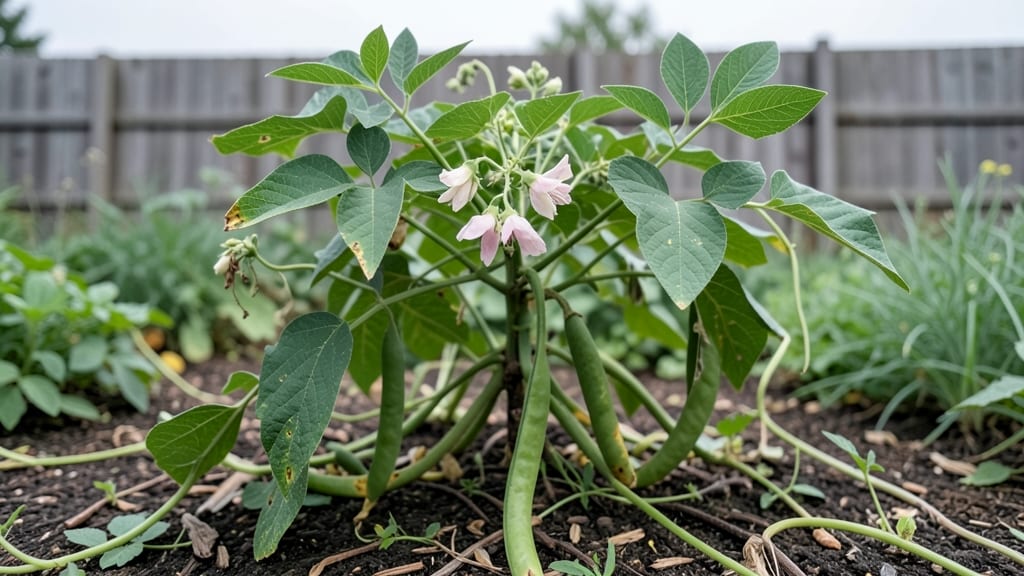
Handling poisonous bean plants requires extreme caution: species like castor beans and jequirity beans produce ricin or abrin toxins that can be fatal if ingested, inhaled, or even absorbed through skin contact. Always wear protective gloves, avoid planting near pets or children, and dispose of seeds by deep burial or incineration.
These plants are particularly dangerous because their toxins disrupt cellular processes in vital organs like the liver and kidneys. 💀 Ricin, found in castor beans, is one of the deadliest natural substances known—just a few seeds can be lethal to humans.
Even touching crushed seeds or inhaling dust from them poses serious health risks, which is why gardeners must treat them with the same care as handling venomous snakes.
The symptoms of poisoning can appear within hours, ranging from severe nausea and vomiting to seizures and respiratory failure, making immediate medical attention critical if exposure occurs.
If you suspect accidental ingestion or skin contact, don't wait—call poison control or seek emergency care right away.
Even seemingly harmless parts of these plants, like the leaves or pods, can contain toxic compounds. 🚨 When removing these plants from your garden, use long sleeves, gloves, and a mask to avoid inhaling any plant debris.
Proper disposal is just as critical as safe handling, so never compost or throw seeds in regular trash where they could accidentally spread.
💡 In This Article
- Toxic Compounds in Deadly Bean Plants
- Safe Removal and Disposal Methods
Toxic compounds in deadly bean plants
The most infamous toxin in these plants is ricin, a protein found in castor beans that attacks ribosomes—the cellular machinery responsible for protein synthesis. When ricin enters cells, it permanently disrupts this process, causing organs like the liver and kidneys to shut down.
A single castor bean contains about 1 milligram of ricin, and just 0.5 milligrams can be lethal to an adult. 🔥 For comparison, that's roughly the weight of a few grains of salt.
Abrin, found in jequirity beans, works similarly but is even more potent—100 times stronger than ricin by weight. This toxin binds irreversibly to ribosomes, halting protein production in critical cells.
Symptoms like severe vomiting, diarrhea, and seizures appear within 24-48 hours of exposure, while respiratory failure can occur within days. The plant's seeds contain 3-5% abrin, making them particularly dangerous when crushed or chewed.
Another toxin, phytohaemagglutinin, found in black locust seeds, causes rapid cell death by triggering an immune response. Unlike ricin or abrin, it doesn't require ingestion to be deadly—skin contact or inhalation of dust can trigger allergic reactions or respiratory distress.
This toxin is heat-stable, meaning cooking doesn't neutralize it, which is why even processed seeds remain hazardous. 💀
Not all bean plants are equally deadly—castor beans contain 0.1-0.5% ricin by weight, while jequirity beans have 3-5% abrin. The difference in concentration explains why jequirity beans are often classified as more lethal.
Even the plant's pods and leaves contain lower but still dangerous levels of toxins, which can cause skin irritation or gastrointestinal distress if handled improperly.
What makes these toxins so insidious is their mechanism of action. Ricin and abrin don't just poison cells—they permanently disable them, leading to organ failure. Unlike many poisons that cause immediate symptoms, these toxins have a delayed effect, making early detection difficult.
For example, ricin poisoning may not show symptoms for 6-48 hours, giving victims little time to seek treatment. ✨
If you're working with these plants, remember that even small amounts of crushed seeds can release airborne toxins. The dust from grinding castor beans, for instance, can linger in the air for hours, posing inhalation risks.
This is why protective gear—like N95 masks, gloves, and goggles—is essential during removal or disposal.