
Companion Plants
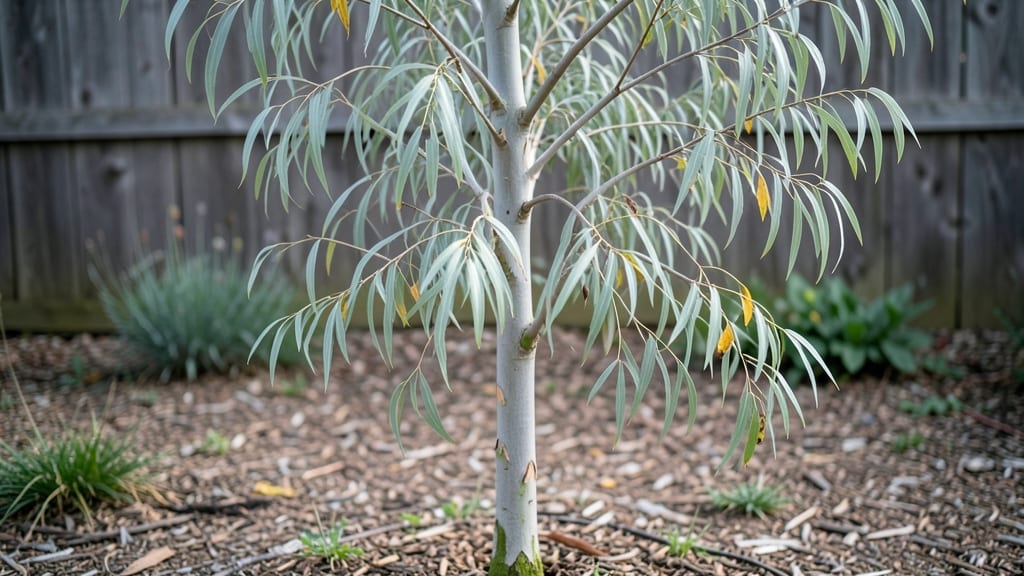
Outdoor eucalyptus plants bring that crisp, clean forest scent to your yard with almost no effort. 🌿 I’ve grown them for years, and once established, they’re practically self-sufficient—just plant them in the right spot, water occasionally, and watch them grow into towering, fragrant giants.
The key is choosing the right variety for your climate—some handle frost better than others, and their mature size varies wildly. My silver dollar gum stays compact at 15 feet, while the tall red gum can reach 100 feet if left unpruned.
They thrive in well-draining soil and full sun, making them perfect for dry, sunny spots where other plants struggle.
You’ll love how they clean the air, repel pests, and create a lush, tropical vibe without the high-maintenance upkeep. Even in drought conditions, their deep roots mean they rarely need extra water once established. The only real challenge? Keeping them from outgrowing their space.
Whether you’re adding one as a statement plant or lining a driveway for fragrance, eucalyptus delivers year-round beauty with minimal fuss. Let’s get yours growing strong!
📚 In This Guide
- What you need
- Instructions
- Tips and common mistakes
- Wrapping up and next steps
What you need
- ● Eucalyptus plant: Choose a variety suited to your climate (e.g., Eucalyptus globulus for cooler zones or Eucalyptus cinerea for milder areas). Opt for a 1- to 3-gallon container-grown plant for best results.
- ● Well-draining soil: A mix of 50% native soil, 30% coarse sand, and 20% compost (or a cactus/succulent blend). Eucalyptus hates soggy roots!
- ● Sunlight: A full-sun location (6+ hours of direct light daily). Partial shade works for tropical varieties.
- ● Water: 1–2 gallons per watering (adjust based on heat/drought). Let soil dry between waterings.
- ● Garden trowel or shovel (for planting).
- ○ Mulch (optional): 2–3 inches of gravel or bark chips to retain moisture and deter weeds.
- ○ Fertilizer (optional): A balanced, slow-release fertilizer (10-10-10) applied once in spring.
- ● Pruning shears (for shaping or harvesting leaves).
- ○ Pest control (optional): Neem oil spray if you spot aphids or scale insects.
Instructions for planting and caring for outdoor eucalyptus plants
Eucalyptus thrives with simple care—just follow these steps for lush, fragrant growth.
🌱 Step 1: Choose the Right Location and Prepare the Soil
Eucalyptus loves full sun and well-draining soil. Pick a spot with at least 6 hours of direct sunlight daily—the more, the better. These trees hate soggy roots, so avoid low-lying areas where water pools. If your soil drains poorly, amend it with 1-2 inches of coarse sand or perlite mixed into the top 12 inches of soil.
Dig a hole twice as wide as the root ball but only as deep. Loosen the sides of the hole to encourage root spread. I like to add a handful of slow-release fertilizer to the bottom—just enough to give the plant a gentle nutrient boost without overwhelming it.
🪴 Step 2: Plant Your Eucalyptus Tree Properly
Gently remove the tree from its container and tease the roots apart if they’re circling. Place it in the hole so the top of the root ball sits 1 inch above ground level. This prevents rot from sitting water. Backfill with native soil, pressing lightly to remove air pockets but not compacting too firmly.
Create a 2-inch deep basin around the base to help direct water straight to the roots. Water deeply right after planting to settle the soil and eliminate air gaps. You’ll know it’s right when water drains freely from the bottom of the hole—no puddles.
☀️ Step 3: Water and Mulch for Optimal Growth
Eucalyptus is drought-tolerant once established, but young trees need consistent moisture. Water 2-3 times per week for the first month, then taper to once every 1-2 weeks once leaves appear. Check soil moisture by sticking your finger 2 inches deep—water only when it feels dry.
Spread a 3-inch layer of mulch around the base, keeping it 6 inches away from the trunk. Organic mulch like wood chips or straw helps retain moisture and regulates soil temperature. Replenish mulch as it breaks down to maintain protection.
✂️ Step 4: Prune and Maintain for Long-Term Health
Prune in late winter or early spring to shape the tree and encourage bushier growth. Remove any dead, diseased, or crossing branches first. Then, trim back overgrown sections to ½ their length using clean, sharp shears. Sterilize tools with rubbing alcohol between cuts to prevent bacterial spread.
Fertilize lightly in early spring with a balanced, slow-release fertilizer. Too much nitrogen can harm eucalyptus, so follow package instructions for half the recommended dose. Watch for yellowing leaves—this usually signals overwatering or nutrient imbalance, not disease.
🌿 Step 5: Protect and Enjoy Your Fragrant Tree
Eucalyptus is generally pest-free, but watch for aphids or scale insects on new growth. Spray with a mild soapy water solution if you spot clusters of sticky residue. These trees thrive in heat and humidity but may need winter protection in colder climates—wrap young trees in burlap if temperatures dip below 20°F.
Enjoy the fresh, medicinal scent of the leaves! Harvest branches sparingly to maintain the tree’s shape. With minimal care, your eucalyptus will grow into a stunning, low-maintenance focal point for years.
Tips & tricks for perfect outdoor eucalyptus plant care
Eucalyptus might seem like a finicky plant, but these simple tricks will help you grow a thriving, fragrant tree that requires almost no effort once established.
The Sunlight Secret: Those 6 hours of direct sunlight are non-negotiable, but here's what nobody tells you—eucalyptus actually loves more! If your tree gets 8+ hours of sun, it will grow faster and develop that signature intense fragrance. Just make sure it's not in a spot where it gets afternoon shade from nearby structures.
Soil Prep Game-Changer: When amending your soil with 1-2 inches of coarse sand or perlite, don't just sprinkle it on top. Mix it thoroughly into the top 12 inches of soil to create proper drainage throughout the root zone. I like to use a garden fork to loosen the soil first—this prevents compaction that can suffocate roots.
Watering Wisdom: The 2-3 times per week watering schedule is perfect for young trees, but here's the trick: water deeply each time, not just a light sprinkle. You want that 2-inch deep basin around the base to hold at least 1 gallon of water per watering. This encourages deep root growth instead of shallow, weak roots that dry out quickly.
Winter Protection Hack: If you're in a colder climate where temperatures dip below 20°F, don't wait until the last minute to protect your young eucalyptus. Wrap the tree in burlap and cover it with frost cloth when nighttime temperatures approach freezing. I've seen eucalyptus survive 15°F with proper protection, though they prefer warmer climates.
Pro Tips for Outdoor Eucalyptus Plants
- Eucalyptus might seem like a finicky plant, but these simple tricks will help you grow a thriving, fragrant tree that requires almost no effort once established.
- The Sunlight Secret: Those 6 hours of direct sunlight are non-negotiable, but here's what nobody tells you—eucalyptus actually loves more!
- Soil Prep Game-Changer: When amending your soil with 1-2 inches of coarse sand or perlite, don't just sprinkle it on top.
Frequently asked questions
Got questions about growing outdoor eucalyptus plants?
You’re not alone! Here are some of the most common concerns—and straightforward answers—to help you cultivate fragrant, low-maintenance foliage with confidence.
Can eucalyptus grow in pots, or do they need to be planted in the ground?
Eucalyptus can thrive in containers, but choose large pots (at least 15 gallons) with drainage holes. Dwarf varieties like Eucalyptus cinerea are ideal for pots, while larger species need ground planting. Just ensure they get plenty of sunlight and water—potted plants dry out faster!
How cold-hardy are outdoor eucalyptus plants?
Most eucalyptus varieties are not frost-tolerant and struggle below 20°F (-6°C). If you live in a cold climate, opt for hardier species like Eucalyptus gunnii (Zone 7) or grow them in containers to move indoors during winter. Mulching helps insulate roots in marginal zones.
How often should I water eucalyptus plants outdoors?
Water deeply once or twice a week during the first year to establish roots, then taper to weekly watering once mature. Overwatering is worse than underwatering—let the top 2–3 inches of soil dry out between waterings. Drought-tolerant once established, but they hate soggy soil!
What pests or diseases should I watch for with outdoor eucalyptus?
Common issues include aphids, scale insects, and psyllids (which cause sticky honeydew). Fungal diseases like root rot thrive in poor drainage. Spray plants with neem oil for pests and ensure proper airflow to prevent mildew. Prune affected leaves promptly to keep them healthy.
Can I grow eucalyptus from cuttings at home?
Take 4–6 inch cuttings from healthy branches, strip the lower leaves, and dip in rooting hormone. Plant in moist perlite or sand, cover with a plastic bag, and keep in bright, indirect light. Roots typically form in 4–8 weeks. A beginner-friendly way to propagate your favorite variety!
Wrapping up and next steps
Growing outdoor eucalyptus plants is a rewarding way to bring fragrant beauty and low-maintenance charm to your garden. These hardy companions thrive with just sunlight, well-draining soil, and occasional pruning—making them perfect for both beginners and seasoned gardeners alike.
Whether you’re drawn to their silvery leaves, soothing aroma, or wildlife-friendly appeal, eucalyptus is a versatile addition that pays dividends with minimal effort.
Ready to transform your outdoor space? Start small—plant a single tree or shrub, experiment with varieties, and watch your garden flourish with nature’s own air freshener! 🌿✨