
Companion Plants
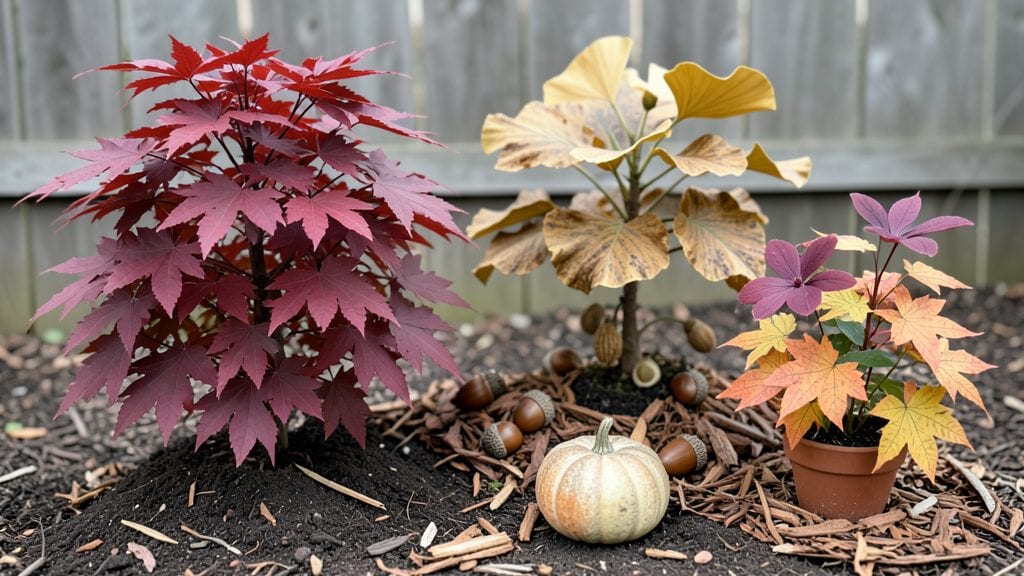
Fall faux plants bring autumn’s rich textures without the work of real foliage. 🌿 I’ve used them to create a cozy porch display that stays perfect through rain, wind, and squirrels—no wilting, no cleanup.
The secret is choosing pieces that mimic real plants so well, neighbors ask if I’ve been gardening nonstop.
These aren’t your grandma’s plastic leaves—they come in lifelike fabrics, weighted bases for stability, and even weather-resistant materials that handle outdoor conditions. You’ll find faux pumpkins with bumpy textures, cornstalks that sway realistically, and leafy accents in deep burgundy and gold.
Best part? No watering, no pruning, and no mourning when deer decide your hostas make a tasty snack.
Your porch or patio will look like it’s been staged by a pro, with layers of faux grasses, dried seed heads, and oversized gourds that stay vibrant all season.
The arrangement ideas are endless—cluster them in galvanized tubs, drape them over railings, or create a mini “woodland” scene with faux mushrooms and moss. No green thumb required.
For those who worry about realism, I’ll show you how to mix faux plants with real ones for a balanced look—plus, how to style them year-round with seasonal swaps. The upkeep-free beauty is what sold me, and it’ll change how you think about fall decor forever.
📚 In This Guide
- What you need
- Instructions
- Tips and common mistakes
- Wrapping up and next steps
What you need
- ● Artificial fall foliage: 1–3 bundles of faux leaves (maple, oak, or birch—10–15 stems per bundle)
- ● 1 faux pumpkin or gourd (small to medium size, ~6–8 inches)
- ○ Optional: Dried cornstalks or wheat bundles (1–2 stalks)
- ● Base structures: 1–2 ceramic or wooden planters (6–12 inches wide)
- ● Or: A shallow tray, basket, or even a vintage tray (for a rustic look)
- ● Adhesives & tools: Hot glue gun + glue sticks (for securing stems)
- ● Floral tape or wire (to bundle stems neatly)
- ● Scissors (sharp pair for trimming faux leaves)
- ● Mini faux pinecones or acorns (scatter for texture)
- ● Fairy lights or LED candles (for a magical glow)
- ● Wooden slices or moss (as a natural base layer)
- ● Spray adhesive (for bulk arrangements like cornstalks)
Instructions for creating a fall faux plant display
Bring autumn's cozy textures to your space without the seasonal hassle—here's how to style faux plants for maximum seasonal impact.
🌿 Step 1: Select Your Base Surfaces and Arrangement Style
Start by choosing your display surfaces. I like mixing a wooden coffee table with a faux fur throw on the floor for layered texture. For a 4-plant arrangement, decide if you want a single focal point (like a large faux pumpkin) or a balanced spread of smaller elements.
Place your largest faux plant first—this becomes your anchor. I position mine slightly off-center to create visual interest. Use a measuring tape to ensure your plants are spaced 12-18 inches apart on tables or 24-36 inches when floor-placed. This spacing mimics natural plant growth while keeping the look intentional.
🪴 Step 2: Layer Textures with Faux Plants and Accents
Now we build depth. Add your faux greenery first—place taller varieties toward the back and shorter ones in front. I tuck dried wheat stalks (if using) behind the greenery to create a natural-looking base. For extra fall warmth, sprinkle artificial leaves in varying shades of orange, red, and gold.
Here's the thing—don't overcrowd. You want to see each plant's details, not just a solid mass of color. I like to leave 2-3 inches of space between stems. For a 4-plant setup, you might use 2 large faux plants (like a tree or bush) and 2 smaller accent plants (like a mini pumpkin or berry cluster).
💧 Step 3: Secure and Stabilize Your Display
Most faux plants come with weighted bases or sand-filled pots, but if yours feels unstable, add a small bag of sand to the bottom of each container. For tabletop displays, I place a non-slip mat underneath to prevent shifting. If using a faux fur throw, drape it loosely over the arrangement—just enough to peek through the plants.
Check for any stems that might topple. If a plant feels wobbly, tuck it behind others or add a small decorative rock to its base for support. This step ensures your display stays put during gatherings or when kids (or pets) might brush against it.
☀️ Step 4: Add Lighting for Warmth and Dimension
Natural light works fine, but for evening displays, position a warm white LED string light behind or beneath your arrangement. I like to weave it through the back of the faux greenery so the light glows through the leaves. Aim for 2700-3000K color temperature to enhance those fall tones.
Don't place lights too close—they should illuminate the plants without creating hot spots. If using a faux pumpkin, I like to add a battery-operated tea light inside for a magical glow. Test your lighting during the day first to see how it looks when the room lights are on.
⏰ Step 5: Refresh and Rotate Seasonally
Faux plants stay "fresh" with minimal effort. Every 2-3 weeks, give your display a quick dusting with a microfiber cloth or use a handheld vacuum on low suction to remove debris. For deeper cleaning, gently wipe leaves with a damp cloth and let air dry completely.
When you're ready for a change, swap out a few elements. Replace summery greens with deep burgundy or mustard yellow faux plants. Store seasonal pieces in a plastic bin with tissue paper between layers to prevent crushing. This keeps your display feeling new while minimizing storage space.
Tips & tricks for perfect fall faux plant displays
A few simple tricks will transform your faux plant arrangement from ordinary to show-stopping this autumn.
Balance is Everything: In Step 1, when positioning your largest faux plant as the anchor, remember the "rule of thirds"—place it slightly off-center to create visual interest that feels natural, not forced. I like to imagine dividing my display space into thirds and positioning the anchor plant where the lines intersect. This creates a more dynamic look than centering everything.
Layer Like a Pro: When building depth in Step 2, think about height progression. Start with your tallest faux greenery at the back, then add medium-height plants in the middle, and place shorter accents like mini pumpkins or berry clusters in front. This creates a cascading effect that mimics natural plant growth while keeping your arrangement intentional and stylish.
Stabilize Strategically: For Step 3, if you're using a wooden coffee table as your base, I recommend placing a small piece of shelf liner underneath before adding your non-slip mat. This protects the table surface from any potential moisture or dust that might accumulate over time. For outdoor displays, consider using a waterproof tray underneath to catch any leaves or debris.
Lighting Secrets: In Step 4, when adding warm white LED string lights, I've found that wrapping them around the stems of your faux greenery creates a beautiful "glowing vine" effect. For extra warmth, you can even weave the lights through the branches of a faux tree. Just be sure to secure them gently with twist ties so they don't interfere with your arrangement's natural look.
Pro Tips for Fall Faux Plants
- A few simple tricks will transform your faux plant arrangement from ordinary to show-stopping this autumn.
- Balance is Everything: In Step 1, when positioning your largest faux plant as the anchor, remember the "rule of thirds"—place it slightly off-center to create visual interest that feels natural, not forced.
- Layer Like a Pro: When building depth in Step 2, think about height progression.
Frequently asked questions
Got questions about fall faux plants?
You’re not alone! Here are answers to the most common queries—from care tips to creative swaps—to help you nail that autumnal aesthetic with zero stress.
What’s the best way to style faux plants for a fall vibe?
Layer textures! Pair faux ferns or ivy with dried corn husks, mini pumpkins, or burlap-wrapped baskets. For a cozy touch, drape faux vines over shelves or hang them in macramé holders. Pro tip: Mix metallic accents (gold or copper) for a luxe fall feel!
How long do faux plants last, and do they need seasonal swaps?
High-quality faux plants last years with minimal care—just dust them occasionally. Swap out seasonal decor (like faux leaves or berries) every 6–12 months to keep things fresh. Bonus: Rotate arrangements to avoid "plant fatigue"!
Are faux plants worth the investment over real ones?
Faux plants save time (no watering, pruning, or pest battles) and money long-term. They’re ideal for renters, busy schedules, or spaces with poor light. Invest in durable materials (like silk or polyester) for the best longevity.
Can I use faux plants outdoors in fall?
Only if they’re weather-resistant! Look for UV-protective coatings and waterproof labels. Secure them with stakes or hang them in covered porches. Avoid heavy rain/snow—store them indoors during harsh weather. Pro move: Use them in pots for easy relocating!
What’s a quick fix if my faux plants look dull?
Revive them with a dryer sheet trick: Rub a static-cling sheet over leaves to remove dust. For stubborn grime, use a soft brush or vacuum attachment. No scrubbing needed!
Wrapping up and next steps
Fall faux plants are the perfect way to embrace seasonal charm without the hassle of upkeep—giving you stunning textures, cozy vibes, and low-maintenance beauty all year round.
Whether you’re a busy homeowner or a plant lover craving effortless style, these faux greens and autumnal accents let you enjoy the season’s warmth without the worry. 🍂✨
Ready to transform your space? Start small—pick one faux plant to complement your decor, or go all out with a seasonal collection. Browse local stores, online retailers, or even DIY projects to find pieces that speak to your style.
The best part? Your fall faux haven awaits—no watering, no wilting, just pure seasonal joy.
- Next step: Browse our faux plant shopping guide for inspiration!