
Lawn
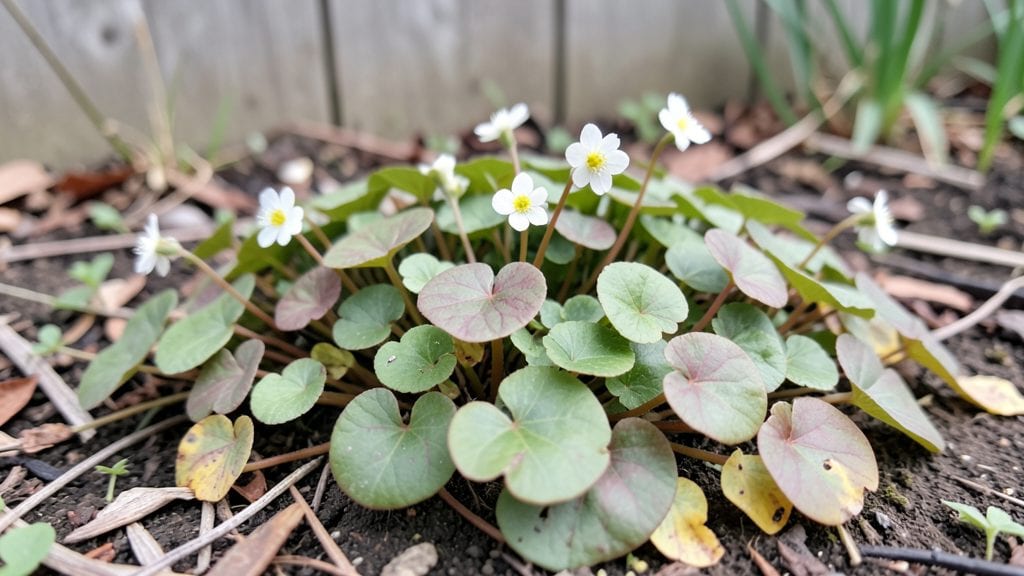
Growing sour grass plants like wood sorrel or garden sorrel is my secret weapon for adding vibrant pops of color while barely lifting a finger. These drought-tolerant beauties spread effortlessly in partial shade, making them perfect for under trees or along shady borders where other plants struggle.
The first time I saw their clover-like leaves unfurl in early spring, I knew they’d be a staple in my low-maintenance garden.
You’ll need just three things to get started: well-draining soil, a spot with morning sun and afternoon shade, and patience—though the results come faster than you’d expect. These plants thrive in average garden soil and hate soggy conditions, so a little mulch helps keep moisture steady without overwatering.
Once established, they bounce back from drought like nothing happened, and their bright green leaves stay crisp even in summer heat.
By late spring, you’ll have a lush ground cover that doubles as a culinary treasure. The tangy leaves are perfect for salads or soups, though not everyone loves the slight lemony kick.
If you prefer ornamental value, the delicate pink or white flowers add a whimsical touch that hummingbirds adore. The best part? They self-seed happily, so you’ll never have to replant.
Fair warning: they spread aggressively, so contain them with edging if you don’t want them taking over. But for a no-fuss, shade-loving plant that does everything—looks great, tastes good, and survives on neglect—this is the one. Let’s get those clover-like leaves growing!
📚 In This Guide
- What you need
- Instructions
- Tips and common mistakes
- Wrapping up and next steps
What you need
- ● Sour grass plant bulbs or tubers: 3–5 bulbs (depending on desired coverage)
- ● Well-draining potting mix or garden soil: For containers: Cactus/succulent mix (1 bag, ~12 qt)
- ● For in-ground planting: Amend clay soil with perlite or coarse sand (1 part perlite to 3 parts soil)
- ○ Containers (optional for potted growth): Terracotta pots (6–8 inches deep) or shallow trays with drainage holes (1–2 per plant)
- ● Watering can or hose with a gentle spray nozzle
- ● Gloves (recommended) – Sour grass leaves can cause skin irritation!
- ● Hand trowel or small shovel for transplanting
- ● Mulch (gravel or pebbles) to retain moisture and deter weeds (1–2 inches)
- ● Slow-release fertilizer (balanced 10-10-10) – 1 tbsp per plant, applied once after planting
- ● Spray bottle for misting (great for humidity-loving tubers)
- ● Sun hat or shade cloth (30% coverage) – If growing in scorching climates
Step-by-Step instructions for growing sour grass plant
This drought-resistant stunner is easier to grow than you think—just follow these simple steps.
Choose the Perfect Location for Your Sour Grass
The sour grass plant thrives in bright, indirect light but can handle some direct sun, especially in cooler climates. I always place mine near an east-facing window where it gets morning sunlight without harsh afternoon rays. If you're growing it indoors, avoid deep shade—leaves will stretch and lose their vibrant color. Outdoors, a spot with 4-6 hours of sunlight daily works perfectly, even in hotter regions.
This plant loves warmth but won’t tolerate freezing temperatures. Keep it in a spot where temperatures stay between 65-85°F. If you notice leaves turning yellow or dropping, it’s likely too cold. A sunny patio or balcony in summer and a bright indoor space in winter keeps it happy year-round.
Plant in Well-Draining Soil
Use a light, sandy potting mix—this plant hates soggy roots. I mix regular potting soil with 20% perlite or coarse sand to improve drainage. Fill your container (at least 6 inches deep) with this mix, leaving about 1 inch of space at the top for watering. Press the soil down lightly but don’t compact it too much—roots need room to breathe.
If you’re planting outdoors, choose a spot with naturally well-draining soil. Amend heavy clay soil with compost and sand to prevent waterlogging. The sour grass plant’s roots are shallow, so a 6-inch-deep planting hole is all you need. Place the plant so the top of the root ball sits just below soil level—burying too deep can cause rot.
Water Sparingly but Consistently
Here’s the thing—this plant is drought-tolerant, but it still needs moisture to establish. Water once a week in warm weather, letting the top 1-2 inches of soil dry out between waterings. Stick your finger in the soil: if it feels dry, it’s time to water. Overwatering is the biggest mistake—yellowing leaves or mushy stems mean you’re giving it too much love.
When watering, soak the soil until water runs out the drainage holes, then empty the saucer. This prevents root rot while keeping the plant hydrated. In winter or cooler months, cut back to every 2-3 weeks, as the plant goes semi-dormant. Always water at the base to avoid wetting the leaves, which can lead to fungal issues.
Fertilize Lightly for Best Growth
Feed your sour grass plant once in spring with a balanced, water-soluble fertilizer (like 10-10-10) diluted to half strength. Too much fertilizer burns the roots and causes weak, leggy growth. I skip fertilizing in summer unless the plant looks tired—this isn’t a heavy feeder. In fall and winter, let it rest without any extra nutrients.
If you notice slow growth or pale leaves, a monthly dose of liquid fertilizer in spring and summer can help. But real talk: this plant does just fine with minimal feeding. The key is consistency over excess—better to under-fertilize than overdo it. Always water the plant first before applying fertilizer to avoid root burn.
Prune and Maintain for a Bushy Look
Pinch back the tips of new growth in early spring to encourage a fuller, bushier plant. I use clean scissors to snip just above a set of leaves where you want new branches to form. This also prevents the plant from getting too leggy. Remove any dead or yellowing leaves as you see them—they sap energy from the plant.
If your sour grass gets too tall or floppy, trim it back by one-third in late spring. This promotes denser growth and keeps it looking neat. Avoid heavy pruning in fall or winter, as the plant needs all its energy to survive cooler months. A little maintenance goes a long way—your plant will reward you with vibrant, healthy foliage all season long.
Tips & tricks for perfect sour grass plant care
A few simple tricks will help you keep your sour grass plant thriving with minimal effort—this drought-tolerant beauty rewards patience and attention to detail.
Lighting Strategy: In Step 1, when choosing your location, remember that bright indirect light is key. If you notice your plant stretching toward the light or developing pale leaves, it's likely not getting enough light. Rotate your plant every few weeks so all sides receive equal exposure. For indoor growers, supplement with a grow light if natural light is insufficient—just 4-6 hours of artificial light can make all the difference during winter months.
Soil Preparation: For Step 2, don't just use any potting mix—this plant's roots are shallow and sensitive to moisture. I like to add an extra 10% perlite to my sandy mix for even better drainage. If you're planting outdoors and have heavy clay soil, consider creating a raised bed with a mix of native soil, compost, and sand. The goal is to mimic the plant's natural habitat where water drains quickly away from the roots.
Watering Wisdom: In Step 3, the once-a-week watering guideline works best for warm weather, but your plant's needs change with seasons. During summer heatwaves, you might need to water twice weekly, while winter's cooler temperatures mean you can stretch to every 3-4 weeks. Always check soil moisture by sticking your finger 1-2 inches deep—this simple test prevents both underwatering and overwatering.
Fertilizing Finesse: When it comes to Step 4's spring feeding, less is truly more with this plant. I've found that using a quarter-strength fertilizer solution (instead of half-strength) gives even better results without risking root burn. For the monthly summer feeding mentioned, consider using a seaweed-based fertilizer—it provides micronutrients without the risk of over-fertilization that can occur with synthetic options.
Pro Tips for Sour Grass Plant
- A few simple tricks will help you keep your sour grass plant thriving with minimal effort—this drought-tolerant beauty rewards patience and attention to detail.
- Lighting Strategy: In Step 1, when choosing your location, remember that bright indirect light is key.
- Soil Preparation: For Step 2, don't just use any potting mix—this plant's roots are shallow and sensitive to moisture.
Frequently asked questions
Got questions about growing sour grass (Digitaria eriantha)?
You’re not alone—this drought-tolerant beauty is easygoing but has a few quirks. Here are the answers to the most common queries to help you cultivate a lush, low-maintenance lawn.
What’s the best time of year to plant sour grass?
Plant sour grass in early spring or late summer (after the last frost but before extreme heat). This gives roots time to establish before winter or summer stress. Avoid planting in peak summer—it struggles with heat shock and poor germination.
How often should I water sour grass once established?
Once established (4–6 weeks after planting), sour grass is drought-tolerant—water every 2–3 weeks during dry spells. Deep watering (1–1.5 inches per session) encourages deep roots. Overwatering leads to weak growth or fungal issues, so let the soil dry between waterings.
Why is my sour grass turning brown or patchy?
Brown patches usually mean drought stress, overwatering, or poor drainage. Check soil moisture—if it’s bone-dry, water deeply. If soggy, improve drainage with sand or compost. Fungal diseases (like brown patch) thrive in humidity; mow high (2–3 inches) and avoid evening watering to prevent this.
Can sour grass replace traditional lawn grass (like Bermuda or St. Augustine)?
Sour grass is a great alternative for hot, dry climates (USDA Zones 7–11). It’s heat-tolerant, low-maintenance, and handles foot traffic better than many turf grasses. However, it’s not as dense as Bermuda—ideal for ornamental lawns, slopes, or areas where mowing is minimal.
Do I need fertilizer for sour grass?
Sour grass is light on fertilizer needs. Apply a slow-release, low-nitrogen fertilizer (5-10-10) in early spring to boost growth. Over-fertilizing causes weak, waterlogged grass. Compost or organic matter in the soil is often enough—this plant thrives in poor soil!
What pests or diseases should I watch for?
Sour grass is resistant to most pests, but watch for:
- Grubs: Treat with milky spore or beneficial nematodes if you see irregular brown patches.
- Fungal issues: Avoid wet foliage; mow high to improve airflow.
- Chinch bugs: Rare but possible in sandy soils—check for yellowing grass and tiny black bugs.
Prevention is key—healthy soil and proper watering keep problems at bay!
Wrapping up and next steps
Growing sour grass plant is like unlocking a low-maintenance, drought-resistant gem for your lawn! With its striking appearance and resilience, it’s the perfect choice for busy gardeners or those in dry climates. You’ve got everything you need—now go ahead and create a stunning, sustainable yard with confidence!
🌱 Next step: Pick a sunny spot, grab your seeds or sod, and start planting! Watch your lawn transform into a lush, vibrant space with minimal effort. Happy gardening! 🌿