
Companion Plants
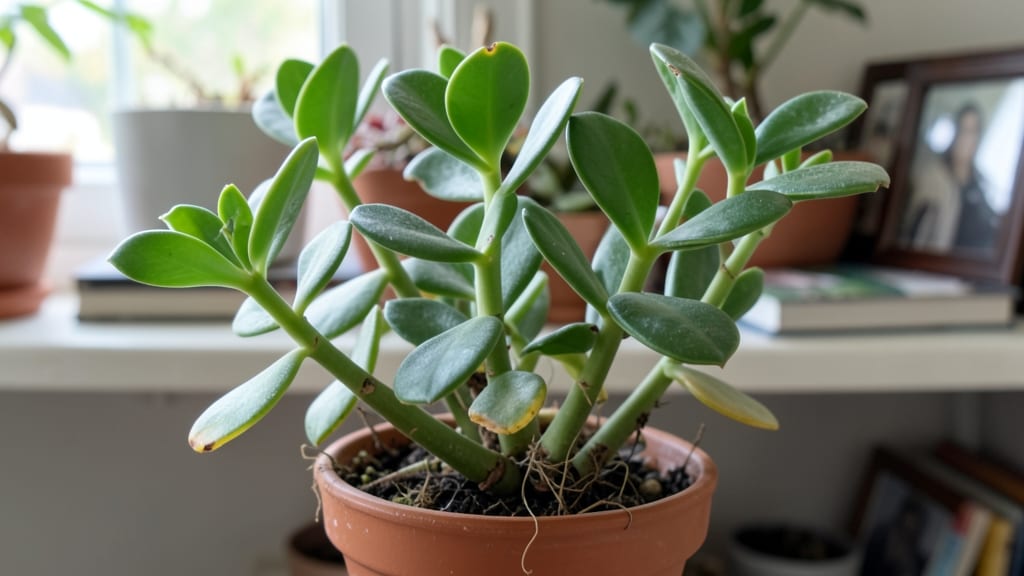
My office table plants transformed my workspace from a cluttered desk to a mini jungle oasis—no green thumb required. 🌿 These resilient plants thrive under fluorescent lights, need water every other week, and actually clean the air while you work.
The secret lies in choosing the right species: snake plants that survive neglect, pothos that trail elegantly, and ZZ plants that bounce back from drought.
You don’t need fancy setups—just a small pot, well-draining soil, and a spot near your window (even if it’s just a north-facing corner). I’ve styled mine in mismatched vintage teacups, sleek ceramic planters, and even repurposed tin cans for a quirky touch.
The key is grouping odd numbers (three or five plants) to create visual balance without overwhelming the space.
By the end of the month, you’ll have lush foliage that brightens dull afternoons and reduces stress levels. The plants grow slowly enough to stay manageable but fast enough to reward your effort—think glossy leaves, trailing vines, or striking upright forms.
Plus, they’re the perfect conversation starter for clients or coworkers who wander by.
Works for cubicles, home offices, or shared workspaces—just swap out plants based on light conditions. Here’s how to pick the perfect mix for your setup and keep them thriving all year.
📚 In This Guide
- What you need
- Instructions
- Tips and common mistakes
- Wrapping up and next steps
What you need
- ● Office-safe plants (3–5 options): Snake Plant (Sansevieria) – 1–2 medium pots (10–12" diameter)
- ● ZZ Plant (Zamioculcas zamiifolia) – 1–2 small pots (6–8" diameter)
- ● Pothos (Epipremnum aureum) – 1 hanging planter (8–10" deep)
- ● Spider Plant (Chlorophytum comosum) – 1–2 small pots (6" diameter)
- ● Peace Lily (Spathiphyllum) – 1–2 medium pots (8–10" diameter)
- ● Planters: 3–5 well-draining pots (ceramic or terracotta preferred) with drainage holes
- ● High-quality potting mix: 5–10 gallons (look for cactus/succulent mix or well-draining indoor blend)
- ● Drainage trays: 3–5 shallow trays (to catch water runoff)
- ● Watering can or spray bottle: 1 (with a gentle spray nozzle for misting)
- ● Hand trowel – 1 (for repotting or adjusting soil)
- ● Pruning shears – 1 (for trimming dead leaves or overgrowth)
- ○ Plant food (balanced liquid fertilizer) – 1 bottle (optional but helpful for growth)
- ● Decorative stones or pebbles – Small bag (for aesthetic drainage layer)
- ○ LED grow lights (optional) – 1–2 small units (if natural light is limited)
- ● Humidity tray (for tropical plants) – 1 (if your office is dry)
Step-by-Step guide for choosing and caring for office table plants
Here's how to pick and nurture plants that bring life to your workspace without demanding constant attention.
🌱 Step 1: Select the Right Plants for Your Space
Start with plants known for thriving in low-light offices. Snake plants or ZZ plants are my go-to—they tolerate neglect and still look vibrant. Place them near a north-facing window if possible, but they'll survive in dimmer corners too. Avoid fussy plants like ferns or calatheas unless you can provide bright, indirect light.
Check the leaves for color and texture. Healthy plants have deep green, glossy leaves with no brown edges. If you spot yellowing or crispy leaves, the plant needs less water or more humidity. A small pebble tray under the pot adds moisture without overwatering.
💧 Step 2: Set Up Proper Watering and Drainage
Most office table plants need water only when the top 1-2 inches of soil feel dry. Stick your finger in the soil—if it's damp, wait another day. Overwatering is the fastest way to kill these plants, so I always use pots with drainage holes and empty saucers after watering.
Use room-temperature water to avoid shocking the roots. Fill the pot's saucer with about ½ inch of water, then let the plant absorb moisture for 10 minutes before tipping out excess. This mimics natural rainfall and keeps roots healthy without soggy soil.
☀️ Step 3: Position for Optimal Light and Airflow
Rotate the plant a quarter turn weekly so all sides get even light exposure. This prevents lopsided growth and keeps foliage lush. If your office has fluorescent lighting, place the plant within 3 feet of the bulbs—they provide enough light for most low-maintenance varieties.
Keep the plant away from vents or drafts. Cold air from windows or heaters stresses plants, causing leaves to brown or drop. A small desk fan on low setting nearby helps circulation without creating drafts.
✂️ Step 4: Clean and Maintain for Long-Term Health
Wipe leaves with a damp microfiber cloth every 2-4 weeks to remove dust, which blocks sunlight. I do this while I'm tidying my desk—it’s a quick way to refresh both the plant and my workspace. Avoid harsh cleaners; just use water or a mild, plant-safe solution.
Trim yellow or brown leaves with clean scissors as soon as you notice them. This encourages new growth and keeps the plant looking tidy. Prune leggy stems by cutting just above a leaf node—this redirects energy to bushier growth.
🪴 Step 5: Repot When Needed (Every 1-2 Years)
Check for root growth by gently removing the plant from its pot. If you see roots circling the bottom or growing out of drainage holes, it’s time to repot. Choose a container that’s only 1-2 inches larger in diameter—bigger pots hold too much moisture and risk root rot.
Use fresh potting mix designed for indoor plants. I like to add a handful of perlite to improve drainage. After repotting, water lightly and place the plant in a shady spot for 1 week to recover before returning it to its usual spot.
Tips & tricks for perfect office table plants
Even the hardiest office plants need a few extra touches to truly thrive. Here's what I've learned to keep my desk greenery looking its best with minimal effort.
The Selection Secret: Snake plants and ZZ plants are your best friends because they practically grow themselves. But if you want something with a little more personality, consider pothos or peace lilies—they're still low-maintenance but offer more visual interest. The key is to match the plant's needs with your office environment, not the other way around.
Watering Wisdom: That 10-minute soak time in Step 2 is crucial—it lets the roots absorb moisture without creating a swampy environment. I've found that using a spray bottle for a quick mist between waterings helps maintain humidity without overwatering, especially in dry office spaces. Just don't let water sit in the saucer longer than 10 minutes!
Lighting Hacks: Fluorescent lights can actually be great for office plants if positioned correctly. Place your plant within 3 feet of the bulbs, but avoid direct contact with the tubes. I've noticed that rotating my plants weekly (as mentioned in Step 3) not only keeps them looking even but also helps prevent that "leggy" growth that happens when plants stretch toward one light source.
Cleaning Shortcut: I've made leaf cleaning part of my weekly desk tidying routine—it takes about 5 minutes and makes a huge difference. Use a microfiber cloth with just a little water; you'll be amazed at how much dust builds up on those leaves. Pro tip: Do this right after you water your plant so the leaves are slightly damp and dust comes off easier.
Pro Tips for Office Table Plants
- Even the hardiest office plants need a few extra touches to truly thrive.
- The Selection Secret: Snake plants and ZZ plants are your best friends because they practically grow themselves.
- Watering Wisdom: That 10-minute soak time in Step 2 is crucial—it lets the roots absorb moisture without creating a swampy environment.
Frequently asked questions
Got questions about keeping office table plants alive and thriving?
Here are some common concerns—and easy solutions—to help you bring greenery to your workspace with confidence!
What are the easiest office table plants for beginners?
Start with snake plants, pothos, or ZZ plants—they thrive in low light and need minimal water. These hardy plants tolerate neglect, making them perfect for busy schedules. Avoid fussy varieties like orchids or ferns unless you’re ready to commit to extra care!
How often should I water my office table plants?
Most table plants prefer watering every 1-2 weeks, but check soil moisture first (stick your finger in—if it’s dry 1 inch down, it’s time!). Overwatering is the #1 killer, so err on the side of less water. Pro tip: Empty saucers after watering to prevent root rot!
Can office table plants survive in artificial office lighting?
Yes! Many plants like pothos, peace lilies, or cast iron plants adapt well to fluorescent or LED lights. Place them near windows for a boost, but avoid direct sun (it can scorch leaves). Rotate plants occasionally for even growth.
What do I do if my plant’s leaves turn yellow or brown?
Yellow leaves often mean overwatering, while brown edges signal underwatering or low humidity. Trim damaged leaves with clean scissors and adjust care. Fix it fast: Let soil dry out, mist leaves, or move to a brighter spot (but not direct sun).
Are there pet-friendly office table plants?
If pets roam your workspace, opt for spider plants, Boston ferns, or parlor palms—they’re non-toxic. Avoid lilies, philodendrons, or aloe (toxic to cats/dogs). Always research before buying!
How much do office table plants cost, and where should I buy them?
Prices vary: small starter plants cost $5–$15 (check local nurseries or big-box stores like Home Depot). For unique varieties, try online retailers (Etsy, The Sill) or plant swaps. Budget hack: Propagate pothos or snake plants from cuttings—free greenery!
Wrapping up and next steps
Bringing office table plants into your workspace isn’t just about aesthetics—it’s a simple way to boost productivity, reduce stress, and create a healthier environment. 🌿 From hardy succulents to lush snake plants, these low-maintenance greens are perfect for busy professionals who want the benefits of nature without the fuss.
Whether you’re a seasoned plant parent or just starting out, there’s a perfect fit waiting for you!
Ready to transform your workspace? Start small: Pick one plant from our list, grab a few supplies, and give it a home on your desk. Watch as your office becomes a greener, happier place—one leaf at a time! 🌱