
Fertilization
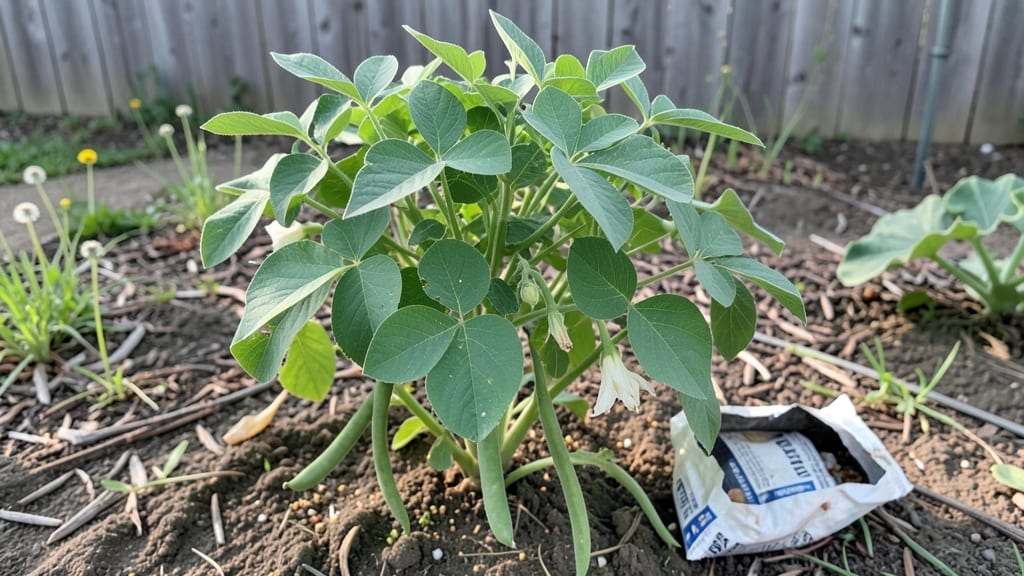
Fertilizing bean plants 🌱 is all about balancing nutrients to turn lush vines into a bounty of pods.
You’ve probably planted your beans in April or May, only to watch them grow tall with no pods forming. That’s your nitrogen-potassium ratio shouting for attention—too much of one means fewer harvests, no matter how green your leaves look.
Beans need moderate nitrogen early on to build strong stems, but once those flowers appear, potassium becomes the game-changer for pod development. Skip this step, and you’ll end up with leafy plants that never produce.
Below, I’ll walk you through the exact fertilizing schedule—when to feed, what to use, and how to spot when your beans are begging for a nutrient tweak.
Understanding bean plant nutrient needs: nitrogen vs. potassium for pod production
Bean plants thrive when their nutrient balance is just right—especially between nitrogen (N) and potassium (K). Too much nitrogen? You’ll get leafy monsters with no pods.
Too little potassium? Your plants will struggle to develop flowers and pods. The key is understanding how these nutrients work together to fuel your harvest.
Nitrogen is the growth hormone for beans, fueling leaf and vine development during early stages. Potassium, on the other hand, is the pod production powerhouse, helping plants flower, set fruit, and resist stress.
Getting this balance wrong can turn your lush green plants into pod-less vines or weak, disease-prone bushes.
Diagnosing nutrient imbalances starts with observing plant symptoms. Yellowing leaves on older growth? That’s often a nitrogen deficiency. Weak stems or poor pod formation? Likely a potassium shortage. Weak, floppy plants with small, deformed pods? You might be overdoing nitrogen while neglecting potassium.
Let’s break down the organic vs. synthetic fertilizer options for beans. Organic sources like compost, banana peels (for potassium), and blood meal (for nitrogen) release nutrients slowly, reducing burn risks. Synthetic fertilizers offer precise NPK ratios but require careful monitoring to avoid over-application.
Here’s how these nutrients compare in real-world scenarios for bean plants:
<comparison-table>For organic gardeners, compost tea is a balanced nutrient booster that provides all three major nutrients. Mix it into your soil before planting or use it as a foliar spray during flowering.
I’ve had great success with homemade compost tea—just steep compost in water for 24 hours and strain before use.
If you’re using synthetic fertilizers, opt for a 5-10-10 or 10-10-10 blend during early growth, then switch to a lower-nitrogen, higher-potassium formula (like 5-5-10) when flowers appear. Always follow package instructions to avoid over-fertilizing, which can burn roots and stunt growth.
One common mistake is over-applying nitrogen early in the season, which leads to excessive foliage but no pods. To fix this, reduce nitrogen and increase potassium once you see flower buds forming.
I’ve seen beans go from all leaves, no pods to bushes full of harvest in just two weeks after adjusting their diet.
Monitor your plants weekly for early warning signs. If leaves start yellowing between veins, it’s often a magnesium deficiency (fix with Epsom salt). If new leaves are small and curled, your beans might need more phosphorus for root growth. Always adjust fertil
Step-by-step fertilizing schedule for beans: when, what, and how much to Apply
Fertilizing beans isn’t about dumping nutrients—it’s about feeding them at the right stages with the right balance. Too much nitrogen early? You’ll get leafy monsters with no pods.
Too little potassium later? Your plants will wilt under the weight of their harvest. Here’s my stage-by-stage plan to keep your beans thriving from sprout to pod.
Beans are light feeders, so we’ll focus on organic, slow-release nutrients. Start with a soil test to check your pH (aim for 6.0–7.0). If your soil’s already rich, you might only need side-dressing—no heavy-handed fertilizing required. Let’s break it down by growth phase.
🌱 Bean Fertilizing Timeline
-
🌱 Seedling Stage (0–3 weeks)
Skip fertilizer! Young roots are fragile. Focus on watering and mulching with compost to build soil health.
-
🌿 Vegetative Growth (3–5 weeks)
Apply 1 tbsp blood meal (for nitrogen) per 10 sq ft or compost tea to boost leafy growth. Avoid synthetic nitrogen—it burns tender roots.
-
🌼 Flowering Stage (6–8 weeks)
Switch to potassium-rich fertilizers like banana peel tea or wood ash (1 tbsp per plant). This supports flower and pod formation—critical for yield.
-
🌾 Podding Stage (8+ weeks)
Use a balanced fertilizer (5-10-10) or fish emulsion every 4–6 weeks. Reduce nitrogen to prevent leafy overgrowth at the expense of pods.
-
🚫 Post-Harvest (Fall)
Stop fertilizing! Let plants replenish soil via roots. Add compost for next season’s crop instead.
For organic gardeners, my go-to fertilizers are compost tea (weekly spray), crushed eggshells (calcium boost), and wood ash (potassium). Synthetic users can opt for a low-nitrogen, high-potassium blend like 5-10-15. Always follow label rates—beans are sensitive to excess salts.
Monitor your plants for yellowing leaves (nitrogen deficiency) or weak stems (potassium deficiency). Adjust fertilizers mid-season if needed. For example, if your beans are leafy but podless, switch to a potassium-heavy fertilizer immediately. Patience and observation are key!
Pro tip: Side-dress with compost or fertilizer when plants are 4–6 inches tall and again when flowers appear. This targeted approach ensures nutrients reach roots when they need them most. Happy growing—your beans will thank you with a bountiful harvest! 🌱