
Companion Plants
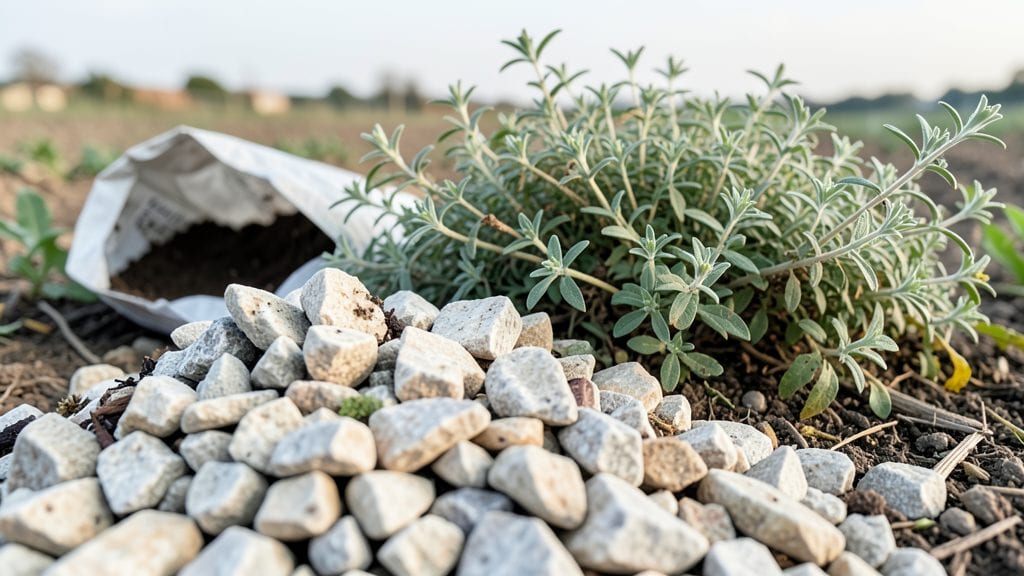
Gravel for plants enhances drainage by creating air pockets in soil, preventing waterlogging and root rot while promoting healthier root systems and nutrient absorption.
Adding gravel to your garden beds or containers isn't just about looks—it's a game-changer for plant health. 🌱 The rough texture of gravel creates tiny channels that let excess water drain away quickly, which is especially critical for plants like succulents or herbs that hate soggy roots.
I've seen firsthand how this simple addition can transform struggling plants into thriving ones, particularly in heavy clay soils where water pools instead of draining.
Beyond drainage, gravel also helps regulate soil temperature, keeping roots cooler in summer and warmer in winter. This stability reduces stress on plants and encourages stronger root growth.
Plus, the open structure allows oxygen to reach roots more easily, which is vital for nutrient uptake—think of it as giving your plants a better breathing environment.
💡 In This Article
- How Gravel Improves Soil Aeration and Drainage
- Best Gravel Types and Placement Techniques for Gardens
How gravel improves soil aeration and drainage
Gravel works like a natural plumbing system for your plants. Its rough, angular particles create microscopic gaps between them—what scientists call macropores—that allow water to drain vertically through the soil profile.
Unlike smooth sand particles that pack tightly, gravel's irregular shapes leave 20-40% more air space between each piece, depending on size. This porosity is crucial because roots need both water and oxygen to thrive, and compacted soil suffocates them by displacing air.
The magic happens at the particle size level. Coarser gravel (like 3/8-inch to 3/4-inch crushed stone) creates larger drainage channels, ideal for heavy watering or clay soils where water pools. Finer gravel (pea gravel, 1/8-inch to 1/4-inch) improves aeration without overwhelming root systems.
For comparison, sand creates only 25% porosity when dry, while gravel can reach 40% or more—that's why gravel outperforms sand for drainage while still allowing oxygen circulation.
This aeration directly impacts root health. Oxygen levels in soil typically drop below 10% by volume when compacted, but gravel-amended soil maintains 15-20% oxygen—similar to well-drained forest floors where native plants thrive. The result?
Roots grow deeper and stronger because they're not struggling for air. I've noticed this especially with container plants: adding a 2-inch gravel layer at the bottom prevents the soil from becoming anaerobic after heavy watering.
Gravel also regulates temperature better than mulch or bare soil. Its light color reflects up to 30% more sunlight than dark mulch, keeping roots cooler in summer. Meanwhile, its thermal mass absorbs and slowly releases heat in winter, creating a more stable root zone.
This dual action reduces stress on plants during temperature swings—something organic mulch alone can't match without decomposing and compacting over time.
For a real-world example, consider succulents in containers. Without gravel, their roots rot within weeks from sitting in soggy soil. With a 1-inch gravel layer at the bottom, water drains in under 10 minutes instead of hours, and the roots stay oxygenated.
The same principle applies to vegetables like tomatoes: adding gravel to heavy garden soil prevents blossom end rot caused by inconsistent moisture.
One common misconception is that gravel "stays wet" like mulch. In reality, its rough surface sheds water quickly—unlike smooth sand that can trap moisture. For best results, combine gravel with perforated containers or raised beds to maximize drainage.
The key is balance: too much gravel (50%+ of the pot) can starve roots of nutrients, while too little (less than 1 inch) won't solve drainage issues.