
Pests
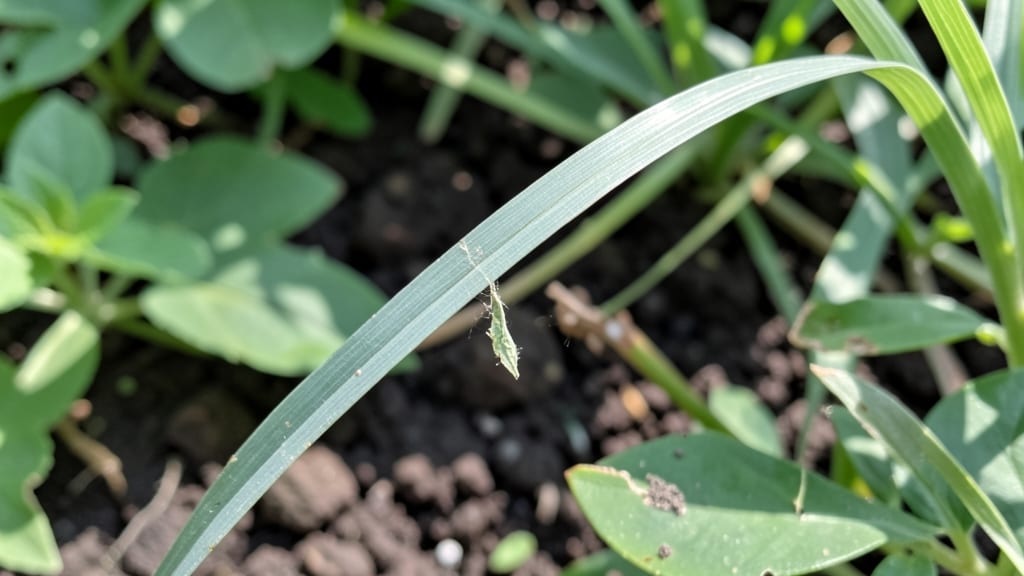
These plants work by emitting natural compounds like citronella oil, geraniol, and nepetalactone, which confuse mosquitoes' scent receptors. 🔥 Unlike chemical repellents, they offer a chemical-free way to keep your patio or garden mosquito-free while adding beauty and fragrance.
I’ve found that combining these plants in containers or along walkways creates a protective barrier that’s both effective and visually appealing.
Citronella, for example, thrives in warm climates and needs full sun, while lemongrass prefers slightly cooler conditions and partial shade. Catnip, surprisingly a top mosquito deterrent, grows well in most soils and even attracts cats—just don’t plant it where felines can dig it up!
The key is consistency: these plants need regular watering and occasional pruning to keep their oils potent.
💡 In This Article
- How Mosquito-Repelling Plants Work Against Pests
- Top 3 Mosquito-Repelling Plants: Growing and Care Guide
How mosquito-repelling plants work against pests
Mosquitoes locate hosts using a complex system of sensory cues, primarily relying on carbon dioxide, body heat, and human odors like lactic acid and octenol. The real magic of mosquito-repelling plants lies in their volatile organic compounds (VOCs), which are aromatic oils emitted through tiny pores called stomata.
These compounds—like citronella, geraniol, and nepetalactone—overwhelm mosquitoes' olfactory receptors, creating sensory confusion. For example, citronella oil contains citronellal and geraniol, which mimic human skin odors but at concentrations that disrupt rather than attract mosquitoes.
The effectiveness varies by plant: catnip, for instance, produces nepetalactone, which is 10 times more effective than DEET in lab tests, according to a 2000 study in Nature. This compound binds to mosquitoes' odorant receptors, blocking their ability to detect hosts for up to 30 minutes after exposure.
Lemongrass, meanwhile, releases citral, a blend of geranial and neral, which interferes with mosquitoes' ability to follow carbon dioxide trails—critical for their hunting strategy. The key difference?
Citronella works best in direct sunlight (boosting oil production), while lemongrass thrives in partial shade and releases its compounds more steadily throughout the day.
Here’s the science behind the scent masking: mosquitoes detect human odors through 70+ odorant receptors on their antennae. When these receptors are flooded with plant VOCs, they become "fatigued," temporarily disabling the mosquito's ability to track prey.
For instance, geraniol (found in roses and citronella) binds to the same receptors as human skin odors but triggers an overstimulation response. This is why planting a mix of species—like catnip near seating areas and lemongrass around walkways—creates a multi-layered repellent barrier that’s harder for mosquitoes to bypass.
Temperature and humidity also play a role in repellency. Most mosquito-repelling plants release 50-70% more VOCs in warm, dry conditions (ideal for summer evenings). However, excessive humidity can dilute these compounds, reducing effectiveness. That’s why pairing plants with good airflow—like growing them in containers or along fence lines—maximizes their impact.
For example, a 2-foot-tall lemongrass plant can repel mosquitoes within a 10-foot radius when placed in full sun, while catnip’s effects extend up to 15 feet due to its higher oil concentration.
Not all plants are equally potent. Catnip, for example, contains nepetalactone at concentrations of 0.05-0.1%, while commercial citronella candles often use synthetic versions with only 0.01-0.03% active ingredient. This natural potency explains why planting live specimens is far more effective than relying on scented candles or sprays.
The plants’ continuous oil production—unlike the finite release from products—creates a persistent protective zone around your outdoor space.
What most people don’t realize is that these plants also repel other pests, like flies and gnats, thanks to their broad-spectrum VOC profile. For instance, geraniol is equally effective against Aedes aegypti (the dengue fever mosquito) and Culex pipiens (the common house mosquito).
This dual action makes them a smart investment for gardeners dealing with multiple insect nuisances. 🌿