
Propagation
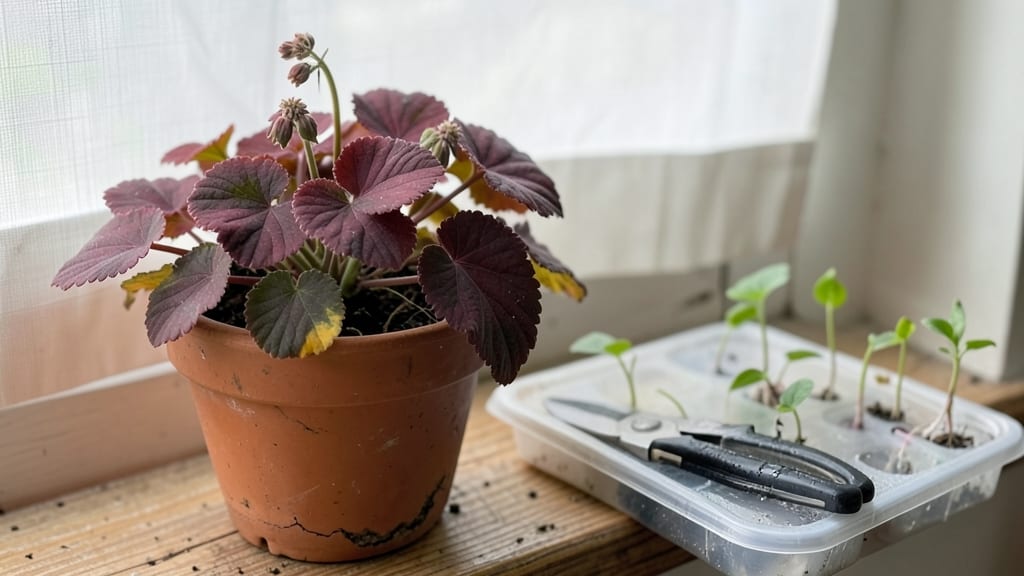
Propagating heuchera from leaf cuttings is the easiest way to multiply your favorite coral bells without spending a dime. ✨ I’ve turned single plants into a whole garden border this way, and the secret lies in patience and the right timing—spring or early summer when the plant is actively growing.
The first time I tried, I expected instant results, but these plants take their sweet time, rewarding you with lush, velvety foliage months later.
You’ll need just three things: healthy leaves from non-flowering stems, a sharp knife or scissors, and a mix of perlite and peat moss to keep roots happy. The trick is cutting leaves at a slight angle just below a vein—this maximizes surface area for root growth.
Most beginners overcomplicate it by trying to root entire stems, but single leaves work just as well, if not better, for beginners.
Within six to eight weeks, you’ll see tiny roots forming along the cut edge, and by late summer, you’ll be transplanting miniature versions of your original plant. The best part?
These new heucheras inherit the exact color and texture of their parent, so you get identical foliage without the nursery price tag. Just keep them lightly moist and out of direct sun until they’re established.
This method works best in zones 4-9, but even in warmer climates, a little shade and consistent moisture keeps the process smooth. The only real challenge is waiting—heucheras don’t rush, and neither should you. Once you’ve mastered it, you’ll never buy coral bells again.
📚 In This Guide
- What you need
- Instructions
- Tips and common mistakes
- Wrapping up and next steps
What you need
- ● Healthy Heuchera leaves: Choose mature, disease-free leaves with vibrant color (3–5 leaves per cutting).
- ● Sharp scissors or pruning shears: Sterilized to prevent contamination (1 pair).
- ○ Rooting hormone (optional but recommended): A gel or powder (e.g., Rootone) to boost success rates (1 small bottle).
- ● Well-draining potting mix: A blend of perlite, vermiculite, and peat moss (or cactus/succulent mix) (1 bag).
- ● Small pots or trays: 2–3 inch pots or a seed tray with drainage holes (4–6 units).
- ● Clear plastic bag or humidity dome: To retain moisture (1–2).
- ● Spray bottle: For gentle watering (1).
- ○ Gloves (optional): To protect hands from sap or soil (1 pair).
- ● Labeling tags: To track varieties (e.g., Heuchera ‘Palace Purple’) (10–20 tags).
- ○ Heat mat (optional): For faster rooting in cooler climates (1 unit).
- ○ Grow lights (optional): If propagating indoors with low light (1–2 bulbs).
Step-by-Step instructions for propagating heuchera plants
Here's the foolproof method I've used to multiply my heuchera collection—no fancy tools, just sharp scissors and patience.
🌿 Step 1: Select Healthy Mature Leaves
Choose leaves from the parent plant that are fully grown but still firm—avoid old, yellowing ones or new growth that's still tender. I look for leaves with vibrant color and no signs of disease. Use clean, sharp scissors or pruning shears to cut a 3-4 inch section of the leaf stem, including the petiole (the thick stalk connecting leaf to stem).
This section should include at least one node (the small bump where veins meet the stem)—that's where new roots will form. If a leaf has multiple nodes, you can cut it into smaller sections, but each piece needs its own node. I like to work in the morning when leaves are hydrated and the air is cool.
💧 Step 2: Prepare the Leaf Cuttings
Remove any large lower leaves from your cuttings to reduce moisture loss and potential rot. Leave only the top 1-2 inches of leaf blade attached—this helps the cutting focus energy on root growth rather than supporting a full leaf. Dip the cut end of each petiole in rooting hormone (optional but helpful for faster results).
Place the prepared cuttings in a container filled with sterile potting mix (or a mix of perlite and peat moss). Push each cutting 1 inch deep into the soil, spacing them 2 inches apart. Gently firm the soil around the base to keep them stable. Water lightly until the soil feels evenly moist but not soggy—you want it damp enough to support rooting without drowning the cuttings.
☀️ Step 3: Create Ideal Growing Conditions
Place the container in a location with bright, indirect light—think east-facing window or under 50% shade cloth outdoors. Direct sunlight can scorch the leaves, while too little light slows rooting. Maintain humidity by covering the container with a clear plastic bag (poke small holes for airflow) or using a humidity dome. This creates a mini greenhouse effect that speeds up root development.
Keep the soil consistently moist by misting daily or watering lightly every 2-3 days—just enough to keep the top inch of soil damp. You'll know you're doing it right when condensation forms on the plastic cover. Roots typically form in 4-6 weeks, but be patient—some cuttings take longer, especially in cooler conditions.
⏰ Step 4: Monitor and Transplant New Plants
After 4-6 weeks, gently tug on the cuttings to check for resistance—this signals root growth. Once roots are established, remove the plastic cover gradually over 3-5 days to acclimate the new plants to normal humidity. Water normally once the cover is off, keeping the soil evenly moist but not waterlogged.
When the new plants show 2-3 sets of true leaves (not just the original leaf), they're ready to transplant. Choose pots that are 4-6 inches wide with drainage holes, and fill them with well-draining potting mix. Handle the new plants carefully to avoid damaging the delicate roots, and water thoroughly after transplanting to settle the soil.
🌱 Step 5: Care for Mature Propagated Plants
Your newly propagated heuchera will need partial shade (especially in hot climates) and consistent moisture during their first growing season. Mulch around the base with 2-3 inches of organic mulch to retain moisture and protect roots. Fertilize lightly every 4-6 weeks with a balanced, water-soluble fertilizer during the growing season to encourage strong growth.
Once established, these plants will thrive with the same care as your parent heuchera—just watch for vibrant foliage and enjoy your expanded collection! I've found that propagating in early spring gives the best results, but you can propagate at any time if you maintain consistent moisture and warmth.
Tips & tricks for propagating heuchera plants
Here's what I've learned from years of successfully multiplying my heuchera collection—these little tricks make all the difference between success and disappointment.
Node Selection is Non-Negotiable: In Step 1, when choosing your 3-4 inch sections with nodes, look for leaves with multiple nodes—each node can become its own plant! I've had great success cutting leaves with two nodes and getting two healthy new plants from one leaf. Just make sure each cutting has at least one node, as this is where all root growth begins.
The Right Time of Day Matters: I always work in the morning when leaves are fully hydrated and air temperatures are cooler. This reduces stress on your cuttings and gives them the best chance to focus energy on root development rather than recovering from heat stress. If you must work later in the day, choose the shadiest spot available.
Humidity is Your Secret Weapon: The plastic bag cover in Step 3 isn't just for looks—it creates that crucial humidity that speeds up root development. I've found that adding a few drops of water to the bottom of the container before sealing helps maintain moisture levels. Just remember to poke those holes for airflow, or you'll risk fungal growth instead of roots!
Transplanting Timing is Critical: When checking for root growth after 4-6 weeks, I've learned to be patient but persistent. Some cuttings take longer in cooler conditions, so don't be discouraged if you don't see immediate results. Once you do see resistance when tugging, the gradual 3-5 day acclimation period is worth it—it prevents shock to your delicate new plants.
Pro Tips for Propagate Heuchera Plant
- Here's what I've learned from years of successfully multiplying my heuchera collection—these little tricks make all the difference between success and disappointment.
- Node Selection is Non-Negotiable: In Step 1, when choosing your 3-4 inch sections with nodes, look for leaves with multiple nodes—each node can become its own plant!
- The Right Time of Day Matters: I always work in the morning when leaves are fully hydrated and air temperatures are cooler.
Frequently asked questions
Got questions about propagating your Heuchera plants? You’re not alone! Here are some of the most common queries—plus quick, actionable answers to keep your new plants thriving.
How do I know when my Heuchera leaves are ready for propagation?
Look for healthy, mature leaves (at least 4–6 inches long) with no signs of disease or damage. The best time is in early spring or late summer when the plant is actively growing. Avoid leaves from the center of the plant—they’re often older and less vigorous.
How long does it take for Heuchera cuttings to root?
With patience and the right conditions, you’ll typically see roots forming in 2–4 weeks. Keep the cuttings in a humid, warm environment (65–75°F) and avoid overwatering. If you’re using water propagation, change it every 3–5 days to prevent bacteria buildup.
Why are my Heuchera cuttings rotting instead of rooting?
Overwatering or poor drainage is the usual culprit! Ensure your cuttings are in a well-draining medium (like perlite or sphagnum moss) and only mist lightly. If using water, trim any mushy leaves and reduce the water level. Yellowing or soft stems mean it’s time to adjust!
Can I propagate Heuchera from seeds instead of leaves?
Yes, but it’s slower and less reliable than leaf cuttings. Seeds take 6–12 months to mature, and the resulting plants may not match the parent’s vibrant colors. Leaf propagation is the easiest and fastest way to clone your favorite varieties—plus, it preserves those stunning foliage hues!
What’s the ideal temperature for Heuchera propagation?
Aim for a consistent 65–75°F (18–24°C) range. Avoid drafts or extreme heat/cold, which can stress the cuttings. A propagation station with a humidity dome or a clear plastic bag works wonders. If temps drop below 60°F (15°C), rooting slows significantly.
Wrapping up and next steps
Propagating Heuchera plants through leaf cuttings is a rewarding way to expand your garden with minimal effort! With the right tools, patience, and a little care, you can grow vibrant new foliage that’ll steal the show in your landscape. 🌿
Now that you’re armed with the know-how, give it a try—whether you’re a seasoned gardener or just starting out. Start small, experiment with different methods, and soon you’ll be sharing your thriving Heuchera babies with friends (or keeping them all for yourself!). Happy propagating! 🌱