
Fertilization
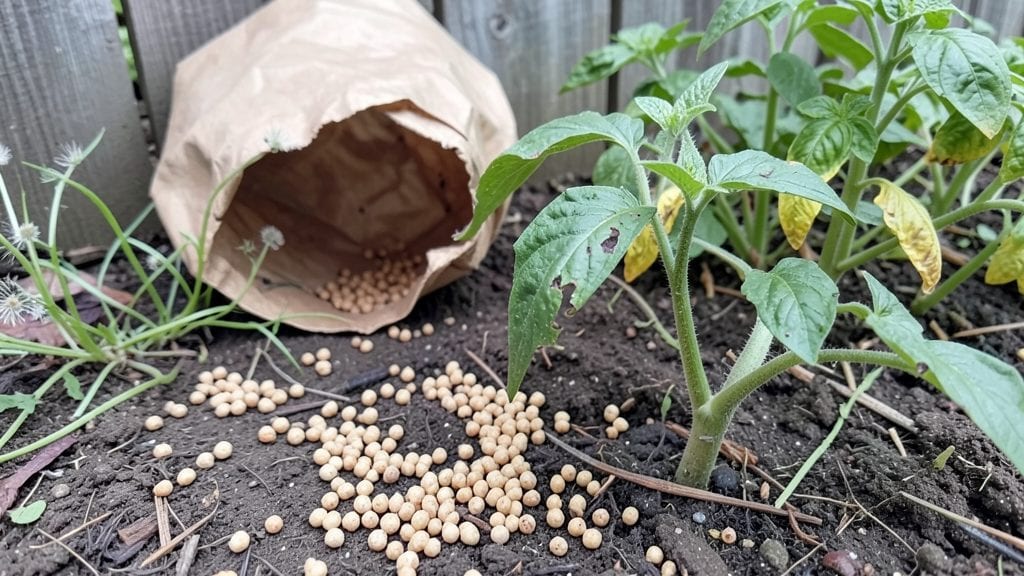
Miracle plant food isn’t just another fertilizer—it’s the secret weapon for turning lackluster plants into shockingly lush giants in weeks. 🌱 I’ve used it to revive struggling tomatoes, coax extra blooms from roses, and keep houseplants thriving through winter, and the results speak for themselves.
The magic lies in its balanced blend of nutrients that plants can actually use, not just what’s in the bag.
Unlike slow-release granules or compost that takes months to break down, this stuff works fast because it dissolves instantly. You’ll see new leaves unfurling within days, not weeks, and roots expanding aggressively.
It’s perfect for vegetables needing a quick boost before harvest, flowers that need to compete with their neighbors, or houseplants that look tired after months indoors. Just don’t drown them—less is more with concentrated formulas.
What you’ll get is plants that look like they’ve been growing for months instead of weeks. The foliage stays deep green, stems stay sturdy, and you’ll actually harvest more than you plant.
It’s not a miracle cure, but it’s the closest thing to one for gardeners who want fast, visible results without waiting for seasons to change.
The catch? It’s not a replacement for good soil or regular care—just a turbocharger for plants that need a little extra push. We’ll cover how to use it safely, which plants love it most, and when to back off so you don’t end up with fertilizer burn.
Let’s get those roots growing!
The Science Behind Plant Growth Boosters
Understanding why some plant foods deliver miracle-like results starts with the core mechanisms that fuel rapid, healthy growth. These fertilizers don’t just add nutrients—they hack plant biology to optimize nutrient uptake, cellular energy, and stress resilience. Here’s why they work so effectively:
Plants don’t just need nitrogen, phosphorus, and potassium (NPK)—they thrive when these macronutrients are delivered in a bioavailable, balanced ratio.
Miracle plant foods often combine: - Slow-release polymers (like ureaformaldehyde) that drip-feed nutrients over weeks, preventing burnout. - Micronutrient chelates (e.g., EDTA-bound iron or manganese) that dissolve instantly in water, ensuring roots absorb them immediately. - Hormone-like triggers (e.g., seaweed extracts with cytokinins) that stimulate root branching, expanding the plant’s nutrient-gathering network by 30-50% in days.
Why it matters: A standard fertilizer might flood roots with salt, shocking the plant. These formulations mimic natural soil ecosystems, where microbes and organic matter gradually release nutrients in perfect harmony.
One of the biggest growth bottlenecks? Dry, compacted soil that strangles roots.
High-performance plant foods often include: - Hydrogel crystals (e.g., polyacrylamide) that absorb up to 500x their weight in water, releasing it slowly to roots. - Humic and fulvic acids that improve soil structure, letting water and oxygen penetrate deeper. - Osmotic regulators (like potassium humate) that reduce transpiration stress, helping plants retain moisture during heatwaves.
Actionable insight: If your garden soil feels like concrete after rain, these additives turn it into a sponge, ensuring roots stay hydrated even in drought conditions.
Plants under stress (from pests, disease, or extreme weather) prioritize survival over growth.
Miracle plant foods often contain: - Jasmonic acid (a natural plant hormone) that triggers defensive responses, like thicker cell walls or pest-repelling compounds. - Beneficial microbes (e.g., Bacillus subtilis) that outcompete pathogens, reducing fungal/bacterial infections by up to 70%. - Antioxidant boosters (e.g., vitamin B complex from yeast extracts) that neutralize oxidative damage from UV or pollution.
Pro tip: 💡 Mix a seaweed-based fertilizer with your regular feed during high-stress periods (like summer heat or after transplanting) to supercharge recovery.
Growth isn’t just about food—it’s about how efficiently plants use it.
Some formulations include: - ATP precursors (e.g., adenine from fish hydrolysate) that jumpstart energy production in plant cells. - Enzymes like amylase that break down complex carbs into simple sugars, fueling rapid cell division. - Carbon dioxide stimulants (e.g., molasses or humic substances) that boost photosynthesis by 10-20%, even in low-light conditions.
Real-world example: Tomatoes treated with ATP-boosting fertilizers can double their fruit yield in 4 weeks because their leaves produce more chlorophyll and sugar.
Healthy soil isn’t just dirt—it’s a teeming ecosystem of bacteria, fungi, and protozoa that break down organic matter into plant-available nutrients.
Top-tier plant foods often include: - Mycorrhizal fungi that extend root networks by forming symbiotic partnerships, increasing water/nutrient absorption by 50%. - Lactic acid bacteria that lower soil pH naturally, unlocking locked-up nutrients like phosphorus. - Earthworm castings (or synthetic mimics) that aerate soil and add bioavailable nitrogen in a form roots love.
Warning: ⚠️ If your soil is sterile (e.g., from repeated chemical fertilizers), these microbes won’t thrive. Test your soil first—a simple pH kit ($10) can save you from wasting expensive additives.
Some miracle plant foods contain synthetic or natural growth regulators that trick plants into growing faster, such as:
- Gibberellins (from Gibberella fujikuroi fungus) that elongate stems and increase fruit size.
- Auxins (like indole-3-acetic acid, or IAA) that promote root growth and delay leaf senescence (aging).
- Ethylene inhibitors that prevent premature flowering, letting plants focus energy on vegetative growth (critical for leafy greens).
Caution: 🔥 Overuse can backfire—too many gibberellins might make plants top-heavy and prone to falling over. Stick to label-recommended doses for veggies vs. flowering plants.
These plant foods don’t just feed your garden—they rewire its biology for efficiency, resilience, and speed.
The magic happens when: ✅ Nutrients are bioavailable (not just dumped in soil). ✅ Water and oxygen reach roots (no more suffocation). ✅ Stress is minimized (plants grow instead of fight). ✅ Energy production is optimized (more growth, less waste).
For best results, combine these with proper watering and sunlight—even the "miracle" in miracle plant food can’t outperform basic gardening fundamentals!
Quick fixes for plant struggles
When your garden feels sluggish or your plants aren’t responding to your miracle plant food as expected, don’t panic—there’s almost always a simple solution! Below, we’ve mapped common issues to practical fixes, so you can revive your greenery fast. Plus, we’ll share prevention tips to keep your plants thriving long-term.
Signs: Yellowing leaves, wilting, moldy soil, or dry, crispy edges.
How to Fix It:
- 💧 Check soil moisture before watering—stick your finger 1-2 inches deep. If it’s damp, wait. If dry, water deeply until it drains from the bottom.
- 🌿 Adjust your watering schedule based on your plant type (succulents need less; leafy greens need more).
- ⏰ Water in the morning to reduce evaporation and fungal risks.
Prevention Tips: ✔ Use a moisture meter for accuracy. ✔ Improve drainage with perlite or sand in potting mix. ✔ Group plants with similar water needs together.
Signs: Burnt leaf tips, stretched-out stems, or pale, weak growth.
How to Fix It:
- 🌿 Move shade-loving plants (like ferns or hostas) to indirect light spots.
- ☀️ Gradually acclimate sun-lovers (tomatoes, peppers) to full sun over 1-2 weeks.
- 🏠 Use sheer curtains or shade cloth if direct sun is unavoidable.
Prevention Tips: ✔ Research your plant’s sunlight needs before planting. ✔ Rotate containers occasionally for even growth. ✔ Watch for seasonal light changes (winter sun is weaker!).
Signs: Brown leaf tips, white crust on soil, or stunted growth despite "feeding" your plants.
How to Fix It:
- 🚰 Flush the soil with water to dilute excess salts (let it drain completely).
- 🌱 Switch to a diluted fertilizer (half-strength) for 2-3 weeks.
- 🍂 Trim damaged leaves to redirect energy to healthy growth.
Prevention Tips: ✔ Always follow label instructions—more isn’t better! ✔ Use organic fertilizers like compost tea for gentler nutrition. ✔ Test soil every 6 months to avoid overcorrecting.
Signs: Holes in leaves, sticky residue, or tiny crawling bugs.
How to Fix It:
- 💦 Spray with neem oil (mix 1 tsp per quart of water) for mild infestations.
- 🪲 Introduce beneficial insects like ladybugs or lacewings for organic control.
- 🧼 Wipe leaves with soapy water (1 tsp mild soap per gallon) for aphids or mites.
Prevention Tips: ✔ Inspect new plants before bringing them indoors. ✔ Encourage diverse plantings to deter pests naturally. ✔ Prune regularly to remove hiding spots.
Signs: Drooping, curled leaves, or slow growth despite proper care.
How to Fix It:
- 🔥 Move plants away from drafts, vents, or heaters (ideal temps: 60–75°F).
- 🌧️ Increase humidity with a pebble tray or humidifier (great for tropical plants).
- 🌿 Group plants together to create a microclimate.
Prevention Tips: ✔ Avoid placing plants near windows in winter (cold drafts). ✔ Use a hygrometer to monitor humidity levels. ✔ Choose cold-hardy varieties for outdoor gardens in chilly climates.
Signs: Roots circling the pot, water pooling on top, or stunted growth.
How to Fix It:
- 🏗️ Loosen compacted soil with a fork or add organic matter (compost, coconut coir).
- 🌱 Repot if roots are crowded, using fresh, well-draining mix.
- 💧 Test soil pH—most plants prefer 6.0–7.0. Adjust with lime (to raise pH) or sulfur (to lower it).
Prevention Tips: ✔ Amend garden beds with compost annually. ✔ Avoid walking on planting areas to prevent compaction. ✔ Use raised beds for heavy or clay soils.
💡 Pro Tip: Keep a garden journal! Track watering, sunlight, and fertilizer dates to spot patterns faster. With these fixes, your plants will bounce back—and your miracle plant food will work wonders in no time!
Frequently asked questions about plant growth boosters
What’s the difference between miracle plant food and regular fertilizer?
Miracle plant food contains bioavailable nutrients that dissolve instantly, plus growth stimulants like seaweed extracts or mycorrhizal fungi. Regular fertilizers often release nutrients slowly, while these formulas deliver a rapid nutrient boost with added stress protection. Think of it as a high-octane fuel vs. standard gas.
Can I use miracle plant food on houseplants?
Yes, but dilute it to half-strength—houseplants are sensitive to concentrated formulas. Use it every 4-6 weeks during spring/summer when growth is active. Avoid fertilizing in winter when most plants rest. Start with a small dose to test your plant’s tolerance.
How often should I apply miracle plant food?
For vegetables and flowers, follow the label’s recommended schedule (usually every 2-4 weeks during growing season). For established perennials, once a month in spring/summer suffices. Overuse causes fertilizer burn—always water thoroughly after application to prevent salt buildup.
Will miracle plant food work in poor soil?
It helps, but not as a replacement for soil improvement. These formulas boost nutrient uptake and root growth, but compacted or nutrient-poor soil will still limit results. Amend soil first with compost or organic matter, then use miracle plant food to supercharge what’s already there.
Can I mix miracle plant food with compost tea?
The combo delivers fast nutrients (from the fertilizer) plus beneficial microbes (from compost tea). Mix equal parts of each, then apply to soil. This works especially well for transplanted seedlings or plants recovering from stress. Just don’t overdo it—stick to the recommended frequency for each product.