
Companion Plants
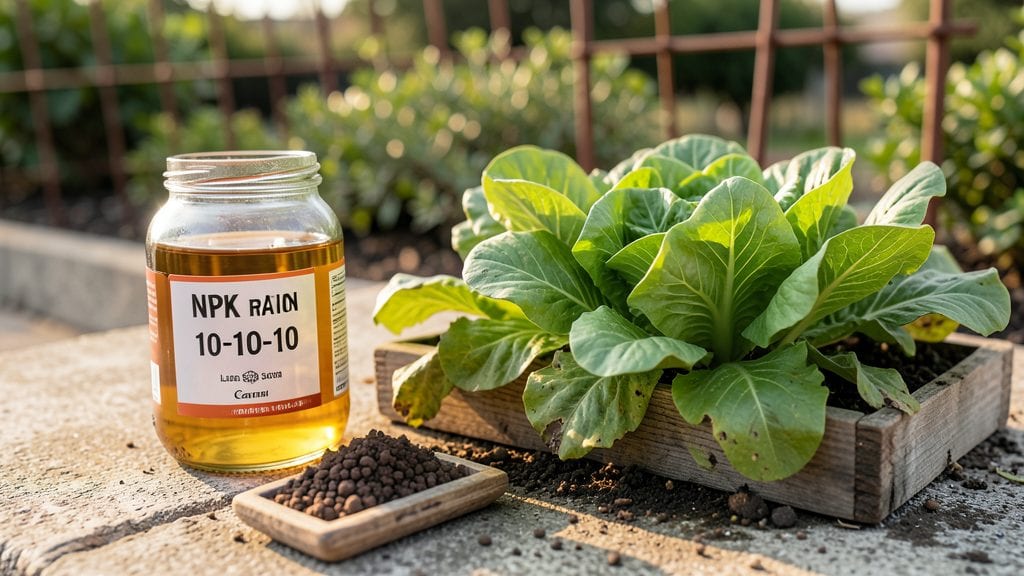
Plant nutrition isn't just guesswork—it's the science behind every leaf, bloom, and harvest. 🌱 I spent years watching my tomatoes struggle until I cracked the code on fertilizer ratios, and now my garden thrives with vibrant green leaves and heavy fruit.
The secret lies in understanding what plants actually need: nitrogen for growth, phosphorus for roots, and potassium for strength—plus the micronutrients that keep everything running smoothly.
Most gardeners overcomplicate this by grabbing whatever fertilizer is on sale, but the real magic happens when you match the numbers on the bag to your plants' needs. Leafy greens crave nitrogen-heavy mixes, while flowering plants need more phosphorus.
Synthetic fertilizers work fast, but organic amendments like compost build long-term soil health. I'll show you how to read soil test results and spot deficiencies before they become problems.
You'll end up with plants that look shockingly lush and produce like never before—no more yellowing leaves or stunted growth. The best part? You can start with just compost, manure, or even kitchen scraps to boost nutrition naturally.
Once you understand the basics, you'll see your garden transform in just a few weeks.
Whether you're a beginner or a seasoned gardener, these principles work for containers, raised beds, or in-ground gardens. Let's get your soil working for you instead of against you!
📚 In This Guide
- What you need
- Instructions
- Tips and common mistakes
- Wrapping up and next steps
What you need
- ● Fertilizer Components: Nitrogen (N) – Choose one: Urea (46-0-0), Ammonium Sulfate (21-0-0), or Blood Meal (12-0-0). Start with 1–2 lbs per 100 sq ft.
- ● Phosphorus (P) – Bone Meal (3-15-0) or Superphosphate (0-20-0). Use 1–2 lbs per 100 sq ft.
- ● Potassium (K) – Potassium Sulfate (0-0-50) or Muriate of Potash (0-0-60). Apply 1–2 lbs per 100 sq ft.
- ● Soil Amendments: Compost (well-aged, 2–3 inches per planting area).
- ● Peat Moss or Coconut Coir (1–2 gallons for potting mixes).
- ● Tools: Garden Gloves (nitrile-coated for durability).
- ● Hand Trowel or Spade (stainless steel, 10–12 inches long).
- ● Measuring Scoop or Scale (for precise fertilizer ratios).
- ● Watering Can or Hose with Adjustable Nozzle.
- ● Micronutrient Boosters: Epsom Salt (Magnesium Sulfate) – 1 tbsp per gallon of water for deficiency fixes.
- ● Liquid Seaweed Extract (for trace minerals like iron/zinc).
- ● Testing Kits: pH Test Kit (ideal range: 6.0–7.0 for most plants).
- ● Soil Nutrient Tester (for NPK analysis).
- ● Safety Gear: Dust Mask (for handling granular fertilizers).
- ● Goggles (if mixing concentrated solutions).
Instructions for applying science-backed fertilizer ratios
Here's how to translate NPK numbers into real growth—without burning your plants.
🌱 Step 1: Analyze Soil and Plant Needs First
Test your soil's baseline nutrients before applying anything. A simple home kit reveals whether your garden is nitrogen-starved, phosphorus-deficient, or potassium-poor. I've seen gardeners skip this step and over-fertilize—yellow leaves from too much nitrogen or stunted roots from phosphorus overload are hard to correct later. For most vegetables, aim for a balanced 10-10-10 ratio unless you've identified a specific deficiency.
Dig a small sample from the root zone of struggling plants. Dark, crumbly soil with earthy smell suggests healthy organic matter, while compacted, grayish soil needs compost first. If your plants show purple stems (phosphorus deficiency) or yellow lower leaves (potassium deficiency), adjust ratios accordingly before adding more fertilizer.
💧 Step 2: Apply Fertilizer Based on Plant Growth Stage
Seedlings need gentle feeding—use half-strength liquid fertilizer or a 5-5-5 ratio to avoid shock. As plants enter vegetative growth (leafy top development), switch to a higher nitrogen ratio like 20-10-10. The key is timing: apply nitrogen-rich feeds when plants show new leaf growth every 2-3 weeks, not on a fixed schedule.
For flowering plants, shift to a balanced or phosphorus-heavy ratio (like 10-20-10) when you see bud formation. Too much nitrogen at this stage delays blooming. I always check the plant's life cycle chart—tomatoes need more potassium (10-10-20) during fruit development, while leafy greens thrive on nitrogen throughout.
☀️ Step 3: Use the Right Application Method
Granular fertilizers work best when lightly scratched into the top 1-2 inches of moist soil—never pile them on the surface where they can burn roots. For liquid feeds, dilute to the label's recommended strength and apply to damp soil (never dry). I water the soil first, then feed, then water again to move nutrients down to the roots.
Slow-release options like coated granules or organic pellets eliminate guesswork—apply them once every 8-12 weeks during the growing season. The golden rule: never fertilize stressed plants. If your garden is drought-stressed, diseased, or recently transplanted, wait until conditions improve before feeding.
✂️ Step 4: Monitor and Adjust Based on Plant Response
Watch for visual cues within 7-10 days of application. Healthy growth means dark green leaves, strong stems, and vigorous new shoots. If you see leaf scorch (brown edges), you've overdone it—flush the soil with 3-4 inches of water to dilute excess salts. Yellowing leaves between veins signal magnesium deficiency (add Epsom salt), while crispy leaf edges mean calcium deficiency (try crushed eggshells).
Adjust ratios based on what you observe: more nitrogen for leafy growth, more phosphorus for root development, or more potassium for disease resistance. I keep a garden journal noting when and how I fed each plant—next season's adjustments become obvious when you track patterns.
Tips & tricks for perfect plant nutrition
Balancing plant nutrition isn't guesswork—it's science. Here's how to get it right every time.
Soil Testing is Non-Negotiable: That 10-10-10 ratio from Step 1 works for average soil, but your garden might need something different. I've seen gardens with purple stems (phosphorus deficiency) that needed 10-20-10 instead. Invest in a home test kit—it's the only way to know for sure. If your soil tests show high organic matter, you might even reduce nitrogen by 25% since compost already provides it.
Timing is Everything for Growth Stages: The 2-3 week nitrogen schedule in Step 2 works best when you're seeing new leaf growth. Here's the trick: check for new leaves unfolding daily—that's your cue to feed. For flowering plants, shift to 10-20-10 when you spot bud formation, not before. I've ruined tomato blooms by feeding too much nitrogen too late—don't make that mistake!
Application Technique Prevents Waste: When scratching granular fertilizer into the top 1-2 inches of soil (Step 3), use a small trowel—not your fingers. The goal is to cover roots without exposing them to concentrated fertilizer. For liquid feeds, always dilute to half-strength for seedlings and full-strength for mature plants. I've seen gardeners burn seedlings by using full-strength—always follow the label's recommended strength.
Monitoring Creates Better Gardeners: The 7-10 day observation window in Step 4 is your quality control. Keep a small notebook by your garden and record what you see: "Day 7: Leaf scorch appeared after 10-10-10 application." This becomes your troubleshooting guide. For magnesium deficiency (yellowing between veins), I've had success with 1 tablespoon Epsom salt per gallon of water applied as a foliar spray every two weeks.
Pro Tips for Nutrition For Plants
- Balancing plant nutrition isn't guesswork—it's science. Here's how to get it right every time.
- Soil Testing is Non-Negotiable: That 10-10-10 ratio from Step 1 works for average soil, but your garden might need something different.
- Timing is Everything for Growth Stages: The 2-3 week nitrogen schedule in Step 2 works best when you're seeing new leaf growth.
Frequently asked questions
Got questions about feeding your plants the right way? You’re not alone!
Here are answers to the most common queries about plant nutrition—so you can grow a garden that’s as healthy as it is happy.
What’s the best fertilizer ratio for most plants?
A balanced 10-10-10 or 20-20-20 ratio (N-P-K) works for general gardening, but adjust based on needs. Nitrogen (N) fuels leafy growth, phosphorus (P) boosts roots/flowers, and potassium (K) strengthens disease resistance. For veggies, lean toward 5-10-10; flowering plants prefer 10-20-20.
How often should I fertilize my plants?
Follow the label instructions, but most plants thrive with feedings every 4-6 weeks during growing season (spring-fall). Over-fertilizing burns roots—less is more! Slow-release granules or organic options (like compost) reduce frequency. Stop fertilizing in winter unless growing cold-hardy crops.
Can I use household items instead of fertilizer?
Try these DIY plant boosters:
- Coffee grounds: Add to soil for nitrogen (but use sparingly—they acidify).
- Eggshells: Crush and bury for calcium (great for tomatoes/peppers).
- Banana peels: Bury near fruit/flowering plants for potassium.
- Tea bags: Compost or steep for mild nitrogen (avoid sweetened varieties).
Pro tip: Balance homemade fixes with occasional store-bought fertilizer to avoid nutrient gaps.
Why are my plant leaves turning yellow?
Yellow leaves often signal overwatering or nutrient deficiency. Check the pattern:
| Yellowing Area | Likely Cause | Fix |
|---|---|---|
| Older leaves (bottom) | Nitrogen deficiency | Add a nitrogen-rich fertilizer (like blood meal) or compost. |
| New leaves (top) | Overwatering or poor drainage | Let soil dry between waterings; improve drainage with perlite. |
| Yellow with brown edges | Burn from salt buildup (over-fertilizing) | Flush soil with water; reduce fertilizer dose. |
Do companion plants need the same fertilizer?
Not always! Companion plants often have different needs. For example:
- Herbs (basil, cilantro): Prefer low-nitrogen (e.g., 5-5-5) to avoid bitter flavors.
- Legumes (beans, peas): Fix their own nitrogen—don’t over-fertilize!
- Tomatoes/peppers: Love balanced or potassium-heavy (e.g., 10-20-20) for fruiting.
Pro tip: Group plants with similar needs together and tailor fertilizers to their stage (e.g., phosphorus for flowering).
Wrapping up and next steps
Nurturing your garden with the right nutrition for plants isn’t just science—it’s an art that brings life to every leaf and bloom! 🌱 By understanding science-backed fertilizer ratios and companion planting, you’ve unlocked the secrets to a thriving, resilient garden.
Whether you’re adjusting NPK balances or pairing plants for mutual growth, every effort you put in will yield vibrant results.
Now that you’re armed with knowledge, take the next step: experiment, observe, and refine. Start small—test a patch of soil, tweak your fertilizer mix, or introduce a new companion plant. Your garden’s success story begins with one seed, one nutrient, and one bold move!