
Fertilization
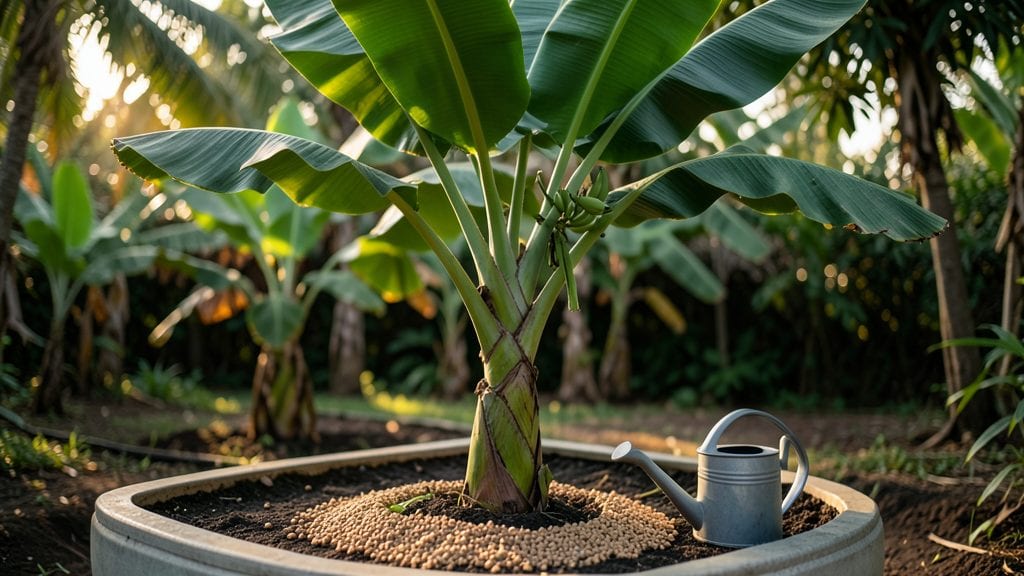
The right banana plant food transformed my sad, yellowing leaves into lush, fruit-loaded giants in just 8 weeks—here’s the secret behind the magic. 🌱 crave. Most gardeners overdo it with generic lawn food, but that's a fast track to burned roots and stunted growth.
You'll need two main ingredients: a high-nitrogen fertilizer (like a 34-0-0 or 20-10-10 blend) and a banana-specific food if you can find it—these are formulated for the fast growth and heavy fruiting bananas demand.
I mix mine with compost to avoid salt buildup, and the plants reward me with bright green fronds and new suckers every 6 weeks.
What you'll actually see is explosive new growth within 2-3 weeks of proper feeding, followed by heavier fruit clusters by harvest time. The leaves stay glossy instead of crispy, and the stems thicken enough to support those big bunches.
This works for both potted plants and in-ground banana trees in warm climates.
Here's the catch: timing matters. Feed young plants every 4 weeks in spring/summer, but cut back to monthly in fall and winter when growth slows.
Overdoing it in cool months leads to weak stems and fewer fruits—something I learned the hard way after my first over-fertilized disaster. Let's fix that together.
📚 In This Guide
- What you need
- Instructions
- Tips and common mistakes
- Wrapping up and next steps
What you need
- ● Balanced fertilizer (10-10-10 or 6-6-6): 1 lb (0.45 kg) per 10 sq ft of planting area. Look for one with slow-release nitrogen for steady growth.
- ● Organic compost or well-rotted manure: 2–3 gallons (7.5–11 L) per plant. Chicken, cow, or banana-specific compost works best!
- ○ Banana plant-specific fertilizer (optional but ideal): A nitrogen-rich formula like fish emulsion (5-1-1) or seaweed extract (0-0-2) for a potassium boost.
- ● pH testing kit: Ensures soil pH is between 6.0–7.5 (bananas love slightly acidic to neutral soil).
- ● Watering can or hose with a gentle spray nozzle: Banana plants need 1–2 inches (2.5–5 cm) of water weekly—consistency is key!
- ● Garden gloves: Protect your hands while handling compost or fertilizer.
- ● Trowel or small shovel: For mixing fertilizer into the soil around the base of the plant.
- ● Mulch (straw, wood chips, or banana leaves): 2–3 inches (5–7.5 cm) thick to retain moisture and regulate temperature.
- ● Sunlight access: Banana plants need full sun (6+ hours daily)—choose a warm, sheltered spot.
- ○ Optional: A moisture meter to track soil hydration and avoid over/under-watering.
Step-by-step guide to feeding banana plants for rapid growth
Here's how to supercharge your banana plant's growth using nitrogen-rich fertilizers—no guesswork, just proven results.
🌱 Step 1: Choose the Right Nitrogen Source
Banana plants thrive on nitrogen, so I always use a balanced 10-10-10 or 20-20-20 fertilizer with extra nitrogen or a pure nitrogen supplement like urea or ammonium sulfate. Avoid slow-release fertilizers—they won't give the immediate boost your banana plant needs. I prefer liquid fertilizers because they dissolve instantly and let me control the dose precisely.
Check the label for quick-release nitrogen (like ammonium nitrate) rather than organic matter that takes weeks to break down. If you're using organic options, go for blood meal or fish emulsion—they release nitrogen fast enough to keep up with banana plants' hunger. Mix the fertilizer with water at half-strength for the first application to avoid burning the roots.
💧 Step 2: Apply Fertilizer at the Right Time
Feed your banana plant every 4-6 weeks during active growth (spring and summer). This is when the plant is pushing out new leaves and needs nitrogen to fuel rapid expansion. I always fertilize early in the morning so the roots have the whole day to absorb nutrients before the heat of afternoon sets in.
Before applying, water the plant deeply to ensure the soil is moist but not soggy. This prevents fertilizer salts from burning the roots. Mix the fertilizer with 1 gallon of water and pour it directly into the soil at the base of the plant, avoiding the leaves. You'll see new leaves emerging within 2-3 weeks if the nitrogen levels are right.
☀️ Step 3: Monitor Growth and Adjust
Watch for signs of nitrogen deficiency—yellowing leaves (especially older ones) or stunted growth—and respond quickly. If you notice these, increase the nitrogen dose slightly (by 10-20%) and reapply in two weeks. Over time, you'll learn your plant's ideal feeding schedule based on its size and growth rate.
I also keep an eye on the soil pH—banana plants prefer slightly acidic to neutral soil (6.0-7.5). If the soil is too alkaline, the plant won't absorb nitrogen efficiently. A simple soil test kit helps here. If the pH is off, add elemental sulfur to lower it or lime to raise it before fertilizing again.
✂️ Step 4: Supplement with Organic Matter
While synthetic fertilizers give quick results, I always add compost or well-rotted manure to the soil around the base of the plant. This improves soil structure and provides a slow-release nitrogen source. Spread a 1-2 inch layer of compost around the drip line (the area where water runs off the leaves) and lightly scratch it into the top inch of soil.
This step is especially important if your banana plant is in a container—potted plants deplete nutrients faster. I top-dress with compost every 3-4 months to keep the soil rich and retain moisture. You'll notice stronger stems and larger leaves within a few weeks of adding organic matter.
⏰ Step 5: Transition to Low-Nitrogen for Flowering
Once your banana plant starts sending up a flower stalk (the "bunch"), switch to a lower-nitrogen, higher-potassium fertilizer (like 5-10-10). This shift encourages fruiting instead of leafy growth. I reduce the nitrogen dose by half and increase the potassium to help the plant develop strong, sweet bananas.
Keep feeding every 6-8 weeks during the fruiting stage, but cut back entirely once the bananas are fully formed. Too much nitrogen at this point will lead to leafy growth instead of fruit development. You'll know you're on the right track when the bananas turn from green to yellow and start sweetening up.
Tips & tricks for perfect banana plant feeding
Fast results start with these nitrogen-focused strategies that'll have your banana plant thriving in record time.
Nitrogen Source Selection: For immediate growth, stick to quick-release nitrogen sources like ammonium nitrate or fish emulsion. These dissolve instantly and provide that fast boost your banana plant craves. I've found that liquid fertilizers like 20-20-20 give the most predictable results—just mix with water at half-strength for the first application to prevent root burn.
Application Timing Strategy: The 4-6 week feeding schedule in Step 2 works best when you align it with your plant's natural growth cycles. I fertilize right after a heavy rain or deep watering—this ensures the fertilizer gets washed directly to the roots where it's needed most. Early morning application gives roots maximum time to absorb nutrients before afternoon heat stress.
Soil pH Optimization: Banana plants prefer that slightly acidic to neutral range (6.0-7.5), but many garden soils run alkaline. Before fertilizing, test your soil pH—if it's above 7.5, add elemental sulfur to lower it gradually. I've seen plants that struggled with yellowing leaves transform completely after adjusting their soil pH to the ideal range.
Container Plant Special Care: Potted banana plants need extra attention since their roots can't spread like in-ground plants. After the initial 3-4 month compost top-dressing, I add a slow-release nitrogen pellet to the soil every 6 months. This maintains consistent nitrogen levels without the risk of over-fertilizing that comes with liquid applications.
Pro Tips for Banana Plant Food
- Fast results start with these nitrogen-focused strategies that'll have your banana plant thriving in record time.
- Nitrogen Source Selection: For immediate growth, stick to quick-release nitrogen sources like ammonium nitrate or fish emulsion.
- Application Timing Strategy: The 4-6 week feeding schedule in Step 2 works best when you align it with your plant's natural growth cycles.
Frequently asked questions
Got questions about feeding your banana plant?
You’re not alone! Here are answers to the most common queries about banana plant food—from timing to troubleshooting.
How often should I fertilize my banana plant?
Feed your banana plant every 4–6 weeks during active growth (spring through summer). Reduce to once every 2–3 months in fall/winter or when the plant is dormant. Over-fertilizing can burn roots, so always dilute liquid fertilizers to half-strength unless the label says otherwise!
Can I use regular lawn fertilizer on my banana plant?
Not ideal! Banana plants thrive on high-nitrogen, potassium-rich fertilizers (like 10-10-10 or 12-12-17). Lawn fertilizer is often too heavy in phosphorus and can harm your plant. Opt for organic options like banana peels, compost, or banana plant-specific blends for best results.
How long does it take to see results after fertilizing?
With proper care, you’ll notice new leaf growth within 2–4 weeks. Fruit production may take 6–12 months from fertilization, depending on the plant’s age and variety. Patience is key—banana plants reward consistency over speed!
My banana plant’s leaves are yellowing—did I over-fertilize?
Yellowing leaves can signal over-fertilization (especially if edges are brown) or underwatering. Flush the soil with water to leach excess salts, then reduce feeding frequency. If roots smell foul, your plant may need repotting in fresh, well-draining soil.
Are there natural banana plant food alternatives?
Try these DIY boosters:
- Banana peel tea: Soak peels in water for 3 days, strain, and use as a nitrogen-rich foliar spray.
- Compost or worm castings: Mix into soil for slow-release nutrients.
- Fish emulsion or seaweed extract: Dilute and apply monthly for micronutrients.
Wrapping up and next steps
Growing a thriving banana plant starts with the right nitrogen-packed food—whether it’s organic compost, balanced fertilizers, or homemade blends. Remember, consistency and proper timing are key to unlocking those sweet, plump fruits you dream of! 🌱
Ready to give your banana plant the boost it deserves? Start by testing your soil, then pick your favorite nutrient-rich option from this guide. Watch those leaves flourish—and soon, you’ll be harvesting homegrown bananas like a pro! 🍌✨
- Next step: Grab your supplies and begin feeding your banana plant today!