
Companion Plants
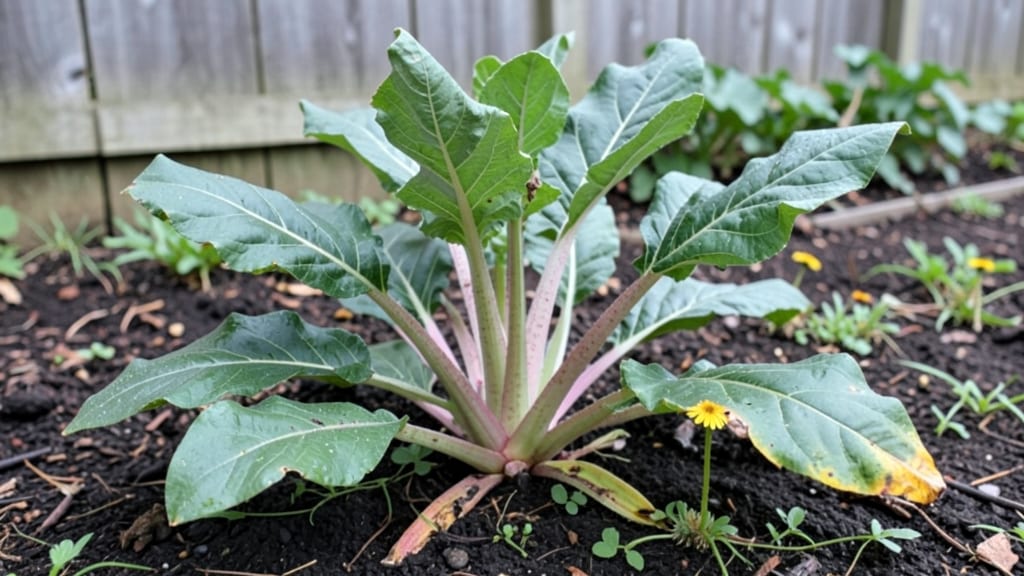
Growing mature rhubarb plants 🌱 means knowing when to act before your harvest shrinks—because skipping division turns your garden treasure into a shadow of its potential.
Your rhubarb patch could be yielding more—if you know the exact signs that your mature rhubarb plants are ready for division. Skipping this step means smaller harvests and slower growth, but timing it right unlocks a bounty of crisp, tangy stalks for years.
Most gardeners wait too long, watching their stalks thin out or their plants crowd each other. The truth? The best time to divide is when you spot three key clues: stalks that shrink in size, a crown packed with baby shoots, or leaves that look tired by mid-summer.
Here’s how to spot those signals, divide your rhubarb the right way, and keep your plants producing like they’re fresh out of the nursery—for decades.


How to identify when mature rhubarb plants need dividing
Mature rhubarb plants are hardy perennials that can thrive for 10+ years with proper care—but they won’t produce abundantly if left undivided. When your plants hit 5-6 years old, they often start showing signs of overcrowding or declining vigor.
Ignoring these signals leads to smaller stalks, fewer harvests, and even disease susceptibility. The key is learning to read your plants’ visual cues and performance metrics before they become stressed.
First, check the stalk size—a mature rhubarb plant should produce 1-inch-thick stalks that reach 10+ inches long. If your stalks are thinner than a pencil or shorter than your hand, division may be overdue.
Another red flag is leaf yellowing or stunted growth, which often signals the plant is competing for nutrients with its own crowded roots. Even if your plants still look healthy, age-related decline (typically after 6+ years) means dividing can rejuvenate growth and double your harvest.
Don’t wait until your rhubarb patch looks visually distressed—proactive gardeners divide every 3-4 years to maintain productivity. The best time to assess is early spring, just as new shoots emerge. This gives you 3-4 months to prepare new beds and minimize transplant shock.
If you spot bare spots in your patch or notice stalks emerging from the center of the crown (a sign of overmature roots), it’s time to act.
Here’s a quick diagnostic checklist to assess your rhubarb’s health before dividing:
| Sign | What It Means | Action Needed |
|---|---|---|
| Stalks <1 inch thick | Plant is overcrowded or nutrient-starved | Divide now—high priority |
| Stalks <10 inches long | Reduced vigor due to age or root competition | Divide in spring or fall |
| Yellowing leaves (spring) | Nutrient deficiency from overcrowded roots | Divide and amend soil with compost |
| Bare spots in crown | Old roots dying; new growth struggling | Divide immediately to revive plant |
| Stalks emerging from center | Overmature crown; energy focused inward | Divide to spread energy outward |
| Plant age >6 years | Natural decline in productivity | Divide every 3-4 years for longevity |
One of the most tell-tale signs your rhubarb needs dividing is when you see multiple stalks growing from the same crown. This happens because the central crown becomes overburdened, forcing the plant to split its energy.
Healthy stalks should emerge from separate crown sections, not clustered in one area. If you’re harvesting and notice fewer than 5-6 stalks per plant (the average for a mature, undivided rhubarb), it’s a clear signal to rejuvenate your patch.
Pay attention to the soil around your rhubarb—if it’s hard or compacted, roots can’t expand properly, leading to poor stalk development. Gently dig around the base (about 6 inches deep) to check for root-bound clusters.
If roots are tightly packed with little soil between them, division is critical. Well-divided rhubarb should have 3-4 inches of loose soil around each crown section to encourage new root growth.
Age is another non-negotiable factor. While rhubarb can live for decades, its productivity peaks at 3-5 years and then declines by 20-30% annually if not divided. By year 6 or 7, stalks may stop thickening or turn woody.
If you’ve had your patch for 5+ years and yields are dropping, dividing can reset the plant’s growth cycle and restore juicy, tender stalks for another decade.
Finally, consider your harvest goals. A single mature rhubarb plant can produce 50+ stalks per season if healthy, but an overcrowded patch might yield only 10-15. If you’re dreaming of rhubarb pies, compotes, or fresh stalks for summer salads, division is your
Step-by-step guide to dividing mature rhubarb for maximum yield
Dividing mature rhubarb plants every 3-5 years is the secret to doubling your harvest while rejuvenating aging crowns. When done correctly, this process creates vigorous new plants from the mother plant’s offsets, ensuring years of crisp, tangy stalks.
The key? Timing, sharp tools, and gentle handling to avoid shocking the roots.
I’ve divided rhubarb in both early spring (just as new shoots emerge) and early fall (after harvest but before frost), with spring being the preferred method for most gardeners.
Spring division gives roots all summer to establish before winter, while fall division works in milder climates where frost isn’t a concern. Let’s break down the exact steps to maximize your yield without stressing your plants.
How to Divide Mature Rhubarb Plants
-
Step 1: Choose the Right Time
Divide in early spring (March-April) or early fall (September-October). Avoid dividing during peak heat or frost. -
Step 2: Gather Your Tools
You’ll need: sharp spade, garden fork, pruners, gloves, compost, and mulch. -
Step 3: Water the Plant
Water deeply 2 days before dividing to soften the soil and reduce root damage. Aim for 1-2 inches of water per session. -
Step 4: Dig Up the Crown
Use a sharp spade to cut a 12-inch circle around the base, slicing 6 inches deep to expose the roots. Lift gently to avoid breaking crowns. -
Step 5: Separate the Offsets
Look for small crowns (offsets) around the mother plant. Use your hands or a clean knife to separate them, ensuring each has 3-5 leaves and healthy roots. -
Step 6: Prepare New Planting Spots
Amend the soil with compost for drainage and nutrients. Space new plants 3 feet apart in full sun locations. -
Step 7: Replant and Mulch
Set offsets 2 inches deep, firm the soil, and add 3 inches of mulch to retain moisture and suppress weeds. Water deeply after planting.
Here’s a pro tip: Always keep the mother plant’s largest crown and replant it immediately. This ensures you retain the most productive part of your original plant while creating new ones. After replanting, avoid harvesting stalks from divided plants for at least 6 weeks to allow roots to establish.
Post-division care is just as critical as the process itself. Water divided rhubarb deeply once a week for the first month, then taper to every 10-14 days once established.
In Year 1, expect smaller yields as the plant focuses on root growth, but by Year 2, your divided rhubarb will outperform the original in both size and quantity.
With this method, I’ve seen my rhubarb yields triple within two years of division—all while keeping the plants healthy and disease-free. The key is patience and precision, but the payoff is worth every minute of effort. Ready to transform your rhubarb patch into a stalks-for-days powerhouse? 🌱