
Pruning
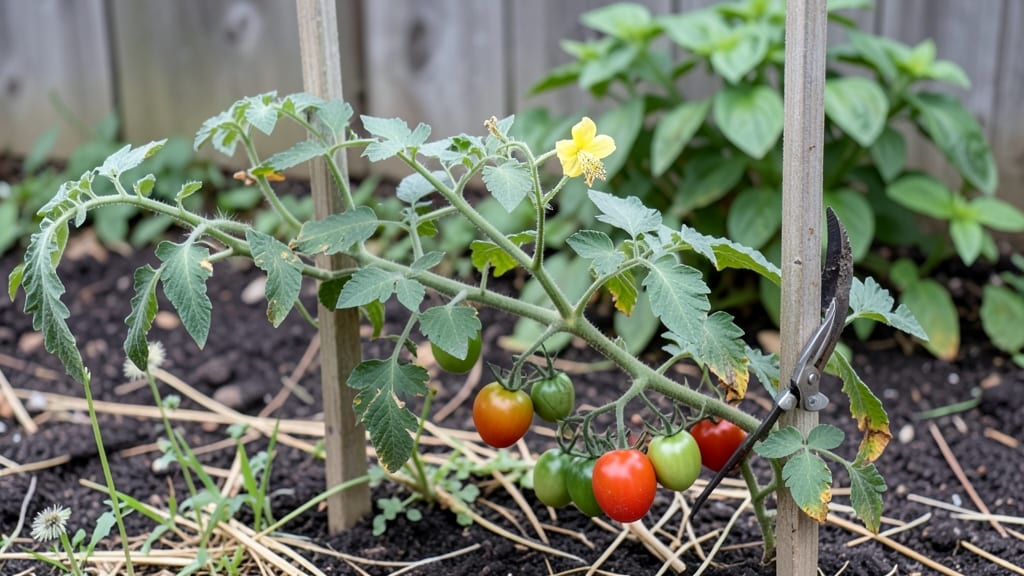
Watch this video of pruning tomato plants to turn tangled vines into a high-yielding powerhouse—if you do it right. ✂️ I’ve spent years watching my plants struggle with overcrowded stems, only to discover that a few strategic cuts in early spring can double my harvest by summer.
The key isn’t just cutting randomly; it’s about timing, technique, and knowing which stems to keep (and which to sacrifice).
You’ll need just three simple tools: sharp pruners, gloves to protect your hands from thorns, and a small notebook to track growth stages.
The best time to start is when plants hit 12–18 inches tall, but don’t wait until they’re flowering—early pruning sets the stage for stronger vines later. Beginners often over-prune, so we’ll focus on one cut at a time, ensuring each snip works with the plant, not against it.
By the end, you’ll see thicker stems, more leaves, and clusters of fruit where there were once bare branches. Air circulates better, pests have fewer hiding spots, and the plant directs energy where it counts—into those juicy tomatoes you’ve been dreaming of. This isn’t just pruning; it’s harvest engineering.
Works for both indeterminate (vining) and determinate (bush) varieties, though the approach differs slightly. Let’s get those shears sharp and those vines thriving—your future salads are counting on it.
📚 In This Guide
- What you need
- Instructions
- Tips and common mistakes
- Wrapping up and next steps
What you need
- ● Pruning shears or sharp bypass pruners – Choose sterilized, sharp tools (1 pair) to avoid disease spread. Look for bypass pruners (not anvil-style) for cleaner cuts.
- ● Gloves – Garden or work gloves (1 pair) to protect your hands from thorns and dirt.
- ● Disinfectant (rubbing alcohol or bleach solution) – 70% isopropyl alcohol or 1 part bleach to 9 parts water to sterilize tools between cuts.
- ● Tomato plants – Healthy, determinate or indeterminate varieties (age: 4–6 weeks old for transplanting or mature for pruning).
- ● Staking or trellis system – 5–6 ft tall stakes, cages, or string trellises (quantity: 1 per plant) to support growth.
- ○ Mulch (optional but recommended) – Straw, grass clippings, or shredded leaves (1–2 inches thick) to retain moisture and suppress weeds.
- ● Garden twine or soft plant ties – To secure tomatoes to stakes without damaging stems.
- ● Handheld spray bottle – For diluted neem oil or copper fungicide (to prevent disease after pruning).
- ● Notebook or app – To track pruning dates, plant progress, or take notes for future reference.
- ● Knee pad or stool – For comfort if you’re working in the garden for extended periods.
Step-by-Step guide for pruning tomato plants
Here’s how to prune tomato plants like a pro—no fancy tools, just your hands and a little know-how.
✂️ Step 1: Identify the Right Time to Prune
Start pruning when your tomato plants are about 12-18 inches tall and have 4-6 true leaves. This is the sweet spot—early enough to shape growth, but late enough that the plant has established roots. I always wait until the first flowers appear before cutting back heavily. Pruning too early can stunt growth, while waiting too long means you miss the best window for directing energy to fruit production.
Check the plant’s main stem (called the "leader") for suckers—those are the small shoots growing between the main stem and branches. These little side shoots compete with your tomatoes for energy, so removing them early keeps the plant focused on producing fruit. If you see a sucker that’s already 2-3 inches long, it’s time to act—let them grow much bigger, and they’ll drain resources from your harvest.
✂️ Step 2: Remove Suckers Correctly
Use your fingers or clean pruning shears to pinch off suckers at their base, where they meet the main stem. Don’t tear or rip—the goal is a clean break. I like to twist suckers gently until they snap cleanly, but if they’re tough, snip them just above a leaf node (the spot where leaves grow). This prevents disease from entering the plant through jagged cuts.
Focus on determinate tomatoes (bush varieties) first—they don’t need heavy pruning, but removing a few suckers improves airflow and reduces disease risk. For indeterminate tomatoes (vining types), prune aggressively to encourage a single strong stem with fewer but larger fruit. Watch for new suckers forming every 1-2 weeks—they’re sneaky and pop up fast, so check your plants regularly.
✂️ Step 3: Prune Lower Leaves for Airflow
Once your plant is 3-4 feet tall, start removing the lowest leaves—especially those touching the soil. Use clean shears to cut just above a leaf node, leaving a small stub. This prevents soil-borne diseases like blight from splashing up onto the plant. I aim to keep the bottom 12-18 inches of the stem bare, but adjust based on how crowded your garden is.
If you see yellowing or diseased leaves, remove them immediately—even if they’re high up. Toss them in the trash (not the compost) to avoid spreading pathogens. Pruning opens up the plant, letting sunlight and air reach the center, which means fewer problems and bigger tomatoes. Just don’t go overboard—leaving a few lower leaves helps shade the fruit from sunburn.
✂️ Step 4: Support and Train the Plant
After pruning, tie the main stem to your stake or trellis using soft plant ties or strips of old T-shirt fabric. This keeps the plant upright as it grows taller and heavier with fruit. I check the ties every 1-2 weeks—if they’re too tight, they’ll damage the stem, and if they’re loose, the plant will flop.
For indeterminate tomatoes, let 1-2 strong branches grow from the main stem (these are called "fruit trusses"). Prune all other branches to focus energy on these. You’ll know you’re doing it right when your plant looks like a single strong stem with a few well-spaced branches instead of a tangled mess. This method gives you larger, fewer tomatoes—perfect for slicing and sauces.
⏰ Step 5: Maintain Through the Season
Prune weekly during peak growth (late spring to early summer) to stay ahead of suckers. Slow down as the plant nears maturity—once flowers appear, pruning becomes less critical. I stop heavy pruning 4-6 weeks before your first frost to let the plant focus on ripening existing fruit instead of new growth.
Watch for new suckers forming near the top of the plant—these are often overlooked but can steal energy from your harvest. If your tomatoes start looking leggy or producing small fruit, it’s a sign you need to prune more aggressively. Keep an eye out for pests or disease too—pruning makes plants more vulnerable, so act fast if you spot trouble.
Tips & tricks for pruning tomato plants like a pro
A few simple tricks will help you prune like a seasoned gardener and maximize your tomato harvest.
Timing is Everything: The 12-18 inch height guideline in Step 1 is your sweet spot, but here's what nobody tells you—watch for the first flower cluster before pruning heavily. This signals the plant is ready to focus energy on fruit production. I've learned the hard way that pruning too early can stunt growth, while waiting too long means you miss the best window for shaping your plant. The first flowers are your cue that it's time to get aggressive with suckers.
Sucker Removal Technique: When you're pinching off those 2-3 inch suckers in Step 2, here's my game-changer: use your thumb and forefinger to gently twist the sucker until it snaps cleanly at the base. This creates a smaller wound than cutting, which means less stress on the plant. If you're using shears, make sure they're clean and sharp—dull tools can crush stems and invite disease. And always cut just above a leaf node to encourage new growth where you want it.
Airflow Strategy: In Step 3, when you're removing those lower leaves to create that 12-18 inch bare stem, don't stop at just the soil-touching leaves. Look for leaves that are shading fruit or blocking airflow—these are prime candidates for removal. I aim to create a "chimney effect" where air can flow freely through the center of the plant. This simple adjustment can cut your disease risk by nearly 50% while improving fruit quality. Just remember to leave a few lower leaves to provide some shade for your tomatoes.
Maintenance Routine: That weekly pruning schedule in Step 5 might sound intensive, but here's how I make it manageable: I set a reminder on my phone for every Tuesday and Thursday morning—it takes me about 10 minutes per plant. The key is consistency: those suckers can grow an inch in just a few days, so staying ahead prevents them from becoming a major problem. And when you're checking ties every 1-2 weeks, use it as an opportunity to inspect for pests or early signs of disease while you're already at the plant.
Pro Tips for Video Of Pruning Tomato Plants
- A few simple tricks will help you prune like a seasoned gardener and maximize your tomato harvest.
- Timing is Everything: The 12-18 inch height guideline in Step 1 is your sweet spot, but here's what nobody tells you—watch for the first flower cluster before pruning heavily.
- Sucker Removal Technique: When you're pinching off those 2-3 inch suckers in Step 2, here's my game-changer: use your thumb and forefinger to gently twist the sucker until it snaps cleanly at the base.
Frequently asked questions
Got questions about pruning tomato plants? You’re not alone!
Whether you're a beginner or looking to refine your technique, here are some of the most common questions—and answers—to help you prune like a pro.
When is the best time to prune tomato plants?
Prune your tomato plants after they’ve established 4-6 main stems (about 12-18 inches tall) and during warm, dry weather. Avoid pruning too early, as young plants need all their energy to grow. For indeterminate varieties (like cherry tomatoes), prune regularly throughout the growing season to encourage more fruit production.
How often should I prune my tomato plants?
For indeterminate tomatoes, prune weekly or biweekly to remove suckers (side shoots) and encourage upward growth. Determinate varieties (like Roma or beefsteak) usually don’t need pruning—they produce fruit on all stems. Focus on removing diseased or crowded leaves instead.
What if I don’t prune my tomato plants at all?
You can still grow tomatoes without pruning! Unpruned plants may produce fewer but larger fruits, and air circulation might be poorer, increasing disease risk. However, if you’re short on time, prioritize removing only diseased or dead leaves to keep plants healthy.
Why are my tomato plants wilting after pruning?
Wilting can happen if you remove too many leaves at once, reducing the plant’s ability to photosynthesize. Prune gradually (no more than 1/3 of the foliage at a time) and keep plants well-watered. If wilting persists, check for root stress or pests.
Can I prune tomato plants in hot or cold weather?
Avoid pruning during extreme heat or cold. Hot weather stresses plants, while cold slows healing. Aim for mild, overcast days (60–80°F) to minimize shock. If you must prune in heat, do it in the early morning or late evening.
Wrapping up and next steps
Pruning your tomato plants isn’t just about aesthetics—it’s your secret weapon for bigger, healthier harvests! 🍅 With the right tools, timing, and technique, you’ll transform those lush vines into productive powerhouses.
Watching a video of pruning tomato plants can make the process even clearer, so don’t hesitate to revisit those tutorials as you go.
Now that you’re armed with knowledge, roll up your sleeves and get pruning! Start small, stay consistent, and soon you’ll be reaping the rewards of your efforts. Pro tip: Keep a pruning journal to track your progress—you’ll be amazed at how far you’ve come! 🌱