
Companion Plants
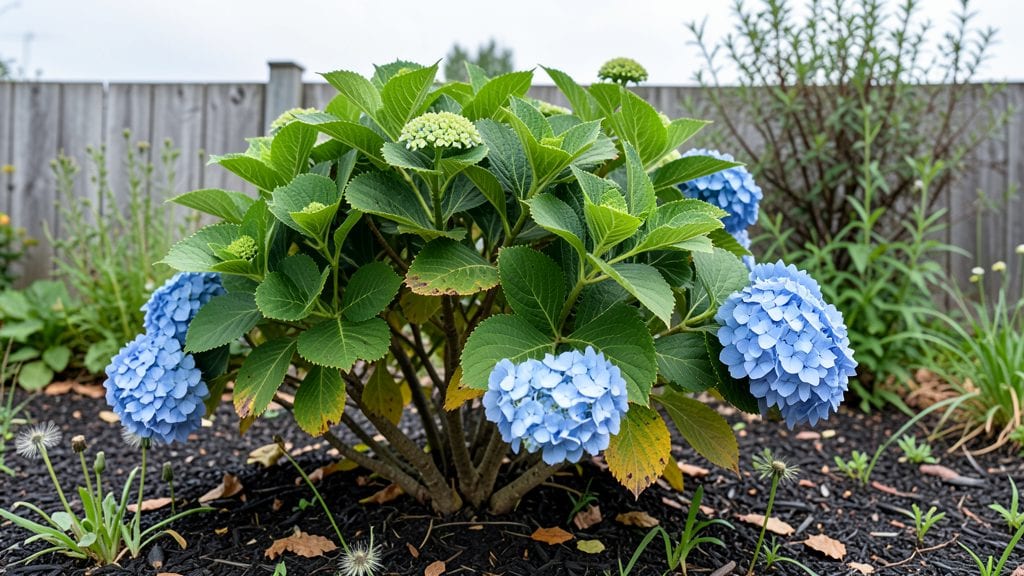
Your mature hydrangea plants can put on a show all season—if you prune them right. ✨ I’ve watched my own bushes go from scraggly to spectacular just by learning when and how to cut, and the secret isn’t as complicated as it seems.
Most gardeners overthink it, but the real magic is in timing and a few sharp cuts.
The best time to prune depends on your hydrangea type—early spring for bigleaf varieties (like the classic Endless Summer) and late winter for mopheads and lacecaps. Grab your shears, aim for just above a bud or leaf node, and cut at a 45-degree angle to keep water from pooling.
You’ll see fresh green growth within weeks, and those iconic blooms will return bigger and brighter than ever.
Don’t forget the other basics: feed them with a balanced fertilizer in early spring, water deeply once a week (more in extreme heat), and mulch to protect roots.
With these steps, your hydrangeas will reward you with vibrant blooms from June through frost, and even their foliage stays lush year-round.
Works for both sun-drenched borders and partially shaded spots—just adjust watering if your summers are brutal. Here’s how to keep them thriving without the guesswork.
📚 In This Guide
- What you need
- Instructions
- Tips and common mistakes
- Wrapping up and next steps
What you need
- ● Pruning shears: Sharp, bypass-style shears (avoid anvil-type to prevent crushing stems). Recommended: Felco F-2 or similar (for clean cuts).
- ● Gloves: Heavy-duty gardening gloves (hydrangeas can have thorns!).
- ● Disinfectant: 70% isopropyl alcohol or a 10% bleach solution (1 part bleach to 9 parts water) to sterilize tools between cuts.
- ● Pruning saw: For thicker stems (1+ inch in diameter). A curved-bladed saw works best.
- ● Rubbing alcohol or hand sanitizer: To clean hands after pruning (some hydrangeas may irritate skin).
- ○ Twine or plant ties: (Optional but helpful) To secure stems if heavy blooms cause sagging.
- ● Know your hydrangea type: Bigleaf (H. macrophylla), Panicle (H. paniculata), or Oakleaf (H. quercifolia)—pruning timing varies!
- ● Weather check: Prune on a dry, overcast day to reduce stress on the plant.
- ● Mulch: Shredded bark or compost (2–3 inches) to protect roots after pruning.
- ● Fertilizer: Balanced 10-10-10 or hydrangea-specific food to replenish nutrients post-prune.
- ● Plant markers: Label pruned stems if you’re experimenting with different techniques.
How to prune mature hydrangeas for vibrant, long-lasting blooms
Here's the method I've used for years to keep my hydrangeas looking fresh and full of color—no guesswork, just proven results.
✂️ Step 1: Identify Your Hydrangea Type First
This is the moment that matters: not all hydrangeas bloom the same way. Bigleaf hydrangeas (Hydrangea macrophylla) produce flowers on old wood—meaning last year's growth. Cutting back too early removes next year's blooms. Smooth hydrangeas (Hydrangea arborescens) and panicle types (Hydrangea paniculata) bloom on new wood, so they handle pruning more flexibly.
Check your plant's flowers now. If they're on last year's stems (woody branches), you've got old-wood bloomers. If they're on current year's growth (softer, green stems), you're dealing with new-wood types. I always label my hydrangeas at planting to avoid this confusion later.
✂️ Step 2: Prune Old-Wood Hydrangeas in Late Winter or Early Spring
For bigleaf types, wait until late February to early March when the plant is still dormant but before new growth starts. This timing ensures you don't accidentally cut off next year's flower buds. Remove dead, diseased, or crossing branches first—these compete with healthy growth and reduce air circulation.
For remaining branches, cut back only the outer third of each stem. You'll see where last year's flowers formed—cut just above the first set of fat, plump buds (these are next year's blooms). Avoid drastic cuts; you want to preserve the plant's structure. I promise, your hydrangea will thank you with bigger, showier blooms.
✂️ Step 3: Renew New-Wood Hydrangeas in Late Winter or Early Spring
Smooth and panicle hydrangeas can handle more aggressive pruning. Once frost danger has passed (around mid-March in most zones), cut back one-third to one-half of each stem to the ground. This encourages vigorous new growth and larger flower clusters. Look for woody stems—these are the ones to cut back hard.
For panicle types like 'Limelight', you can even prune in early summer to control size or shape. Just avoid cutting back more than one-third at a time. I like to do a light shaping cut in summer to keep them tidy without sacrificing next year's flowers.
✂️ Step 4: Shape and Clean Up After Blooming
Once your hydrangeas finish flowering (usually late summer), it's time for a light cleanup. Remove spent flower heads—this prevents seed formation and encourages new growth. For old-wood types, wait until after the first hard frost to cut back any remaining dead growth, as flower buds form in late summer.
Use clean, sharp pruners to make 45-degree cuts just above a leaf node or outward-facing bud. This promotes better growth direction. I always sterilize my tools with rubbing alcohol between cuts to prevent spreading disease. A quick wipe-down keeps your hydrangeas healthy and your tools ready for next season.
💧 Step 5: Mulch and Water for Recovery
After pruning, spread 2-3 inches of mulch around the base (but not touching the stem) to retain moisture and regulate soil temperature. Water deeply until the soil is 6 inches moist—this helps the plant recover from pruning stress. Avoid heavy watering right after pruning; you want the cuts to heal first.
Watch for new growth within 2-3 weeks. Healthy stems should be firm and green, not mushy or yellowing. If you see wilting or discoloration, adjust your watering—hydrangeas hate soggy roots but also need consistent moisture. A well-pruned hydrangea will reward you with lush foliage and even more dramatic blooms next season.
Tips & tricks for pruning mature hydrangeas
Don't let pruning overwhelm you—these pro tips will help you avoid common mistakes and keep your hydrangeas thriving for years.
Type Matters: I can't stress this enough—identifying your hydrangea type is the first critical step. Bigleaf hydrangeas are especially sensitive; those fat, plump buds you see now are next year's flowers. If you cut them off too soon, you'll sacrifice next season's blooms. I always make a note on my pruning calendar to check types first thing in late winter.
Timing is Everything: The late February to early March window for old-wood types is non-negotiable. Too early and you risk cutting off flower buds before they form; too late and you encourage unwanted new growth. For new-wood types, wait until mid-March when frost danger has passed. Pro tip: Check your local frost dates and mark them on your calendar—this saves me from making costly mistakes every year.
Pruning Technique Secrets: When cutting back old-wood types, focus on the outer third only. Look for those fat buds—cut just above them at a 45-degree angle. This angle prevents water from pooling on the cut, which can cause rot. For new-wood types, you can be more aggressive, but never cut back more than one-third at a time. I use a sharp pair of pruners and make clean cuts to minimize damage to the plant.
Clean Tools Prevent Disease: This is a game-changer I wish I'd known sooner. Sterilizing your pruners with rubbing alcohol between cuts prevents spreading disease from branch to branch. I keep a small bottle of alcohol in my gardening tool pouch and wipe down my tools after every 3-4 cuts. It takes an extra minute but keeps your hydrangeas healthy and thriving.
Pro Tips for Mature Hydrangea Plants
- Don't let pruning overwhelm you—these pro tips will help you avoid common mistakes and keep your hydrangeas thriving for years.
- Type Matters: I can't stress this enough—identifying your hydrangea type is the first critical step.
- Timing is Everything: The late February to early March window for old-wood types is non-negotiable.
Frequently asked questions
Got questions about keeping your mature hydrangeas thriving?
You’re not alone! Here are answers to the most common concerns—so you can enjoy those showstopping blooms all season long.
When is the best time to prune mature hydrangeas?
Timing depends on your hydrangea type! For mophead and lacecap varieties (like Hydrangea macrophylla), prune right after flowering (late summer/early fall) to avoid cutting next year’s blooms. Panicle (like Hydrangea paniculata) and oakleaf types can be pruned in late winter/early spring before new growth starts. Always use sharp, clean tools!
Can I prune hydrangeas too much?
Over-pruning—especially in late winter—can leave your plant with no blooms for the season. For macrophylla types, never trim more than 1/3 of the plant. If you accidentally prune too hard, don’t panic! These plants are resilient. Focus on healthy stems next year, and blooms will return stronger.
What should I do if my mature hydrangea isn’t blooming?
Several factors could be at play:
- Pruning at the wrong time (see above!)
- Insufficient sunlight—most hydrangeas need morning sun or dappled shade.
- Nutrient deficiency—feed with acidic fertilizer (like coffee grounds or peat moss) in spring.
- Old wood—if stems are woody and bare, they may have outlived their blooming years. Prune to encourage new growth!
Can I grow hydrangeas in containers? What’s the best variety?
Yes! Container gardening is perfect for hydrangeas—just choose compact varieties like ‘Little Lime’ or ‘Endless Summer’. Use a well-draining potting mix and a large pot (15+ gallons) to prevent root bound issues. Pro tip: Move containers to shadier spots in summer to protect blooms from scorching!
Are mature hydrangeas prone to pests or diseases?
Watch for aphids, slugs, and powdery mildew (common in humid climates).
- For pests: Spray with neem oil or introduce ladybugs.
- For fungus: Improve airflow, avoid overhead watering, and treat with copper fungicide if needed.
Yellow leaves? Often a sign of overwatering or nutrient issues. Adjust care and monitor!
Wrapping up and next steps
Growing mature hydrangea plants to their full, vibrant potential is all about timing, technique, and a little patience!
With the right pruning strategies—whether you’re dealing with macerata, paniculata, or oakleaf varieties—you’ll unlock stunning blooms season after season. 🌸 Remember, consistency is key, but don’t let perfection hold you back: even small adjustments can make a big difference.
Ready to take the next step? Grab your pruners, mark your calendar, and start small—whether it’s pruning a single branch or planning a full garden overhaul. Your hydrangeas (and your neighbors!) will thank you for the show-stopping results. Happy gardening! 🌿