
Planting
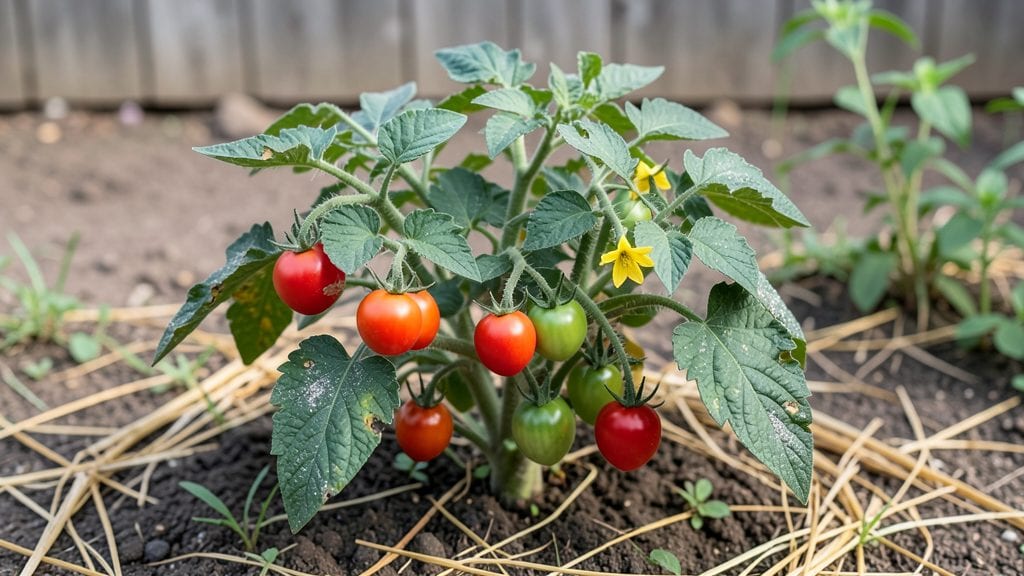
Growing a litchi tomato plant means tasting sweet, tropical-flavored tomatoes that taste nothing like store-bought varieties. 🌱 I’ve grown this heirloom for three seasons now, and the difference in flavor—almost like a cross between a tomato and a strawberry—is what keeps me coming back every year.
The secret to their success isn’t complicated: rich, well-draining soil, consistent moisture, and strategic pruning to keep energy flowing into fruit production. Most people overlook pruning, but it’s what turns a decent harvest into a year-round bounty of those signature heart-shaped fruits.
Even in cooler climates, with the right care, you can extend the season well beyond what you’d expect from a tomato plant.
By mid-summer, you’ll be picking tomatoes that burst with flavor, and the plants stay productive well into fall if you keep them pruned and protected. The key is balancing growth and fruit production—too much foliage means fewer tomatoes, but too little shade can stress the plant.
I’ll show you exactly how to strike that balance for the sweetest, most abundant harvest possible.
Whether you’re growing in containers, raised beds, or the ground, these tricks work. The litchi tomato isn’t just another heirloom—it’s a game-changer for anyone tired of bland, watery tomatoes. Let’s get those vines thriving!
📚 In This Guide
- What you need
- Instructions
- Tips and common mistakes
- Wrapping up and next steps
What you need
- ● Litchi tomato seeds or seedlings: 1–3 plants (choose disease-resistant varieties like 'Litchi' or 'Solar Fire').
- ● Growing containers or garden bed: For containers: 5–7 gallon pots (at least 12" deep) with drainage holes.
- ● For in-ground: Well-draining soil in a sunny spot (6+ hours of light daily).
- ● High-quality potting mix: 1–2 bags (sterile, well-draining blend with compost or coconut coir).
- ● Fertilizer: Balanced fertilizer (10-10-10) for planting.
- ● Tomato-specific fertilizer (5-10-10) for fruiting (e.g., Miracle-Gro Tomato Food).
- ● Pruning tools: Bypass pruners (for clean cuts).
- ● Garden shears (for larger branches).
- ● Support system: Cages (5–6 ft tall) or stakes (6 ft) + soft ties.
- ● Mulch: Straw or shredded leaves (2–3 inches) to retain moisture.
- ● Grow lights (for indoor/low-light setups).
- ● Soil moisture meter (to avoid over/under-watering).
- ● Copper tape (to deter pests like aphids).
- ● Epsom salt (magnesium sulfate for leaf health).
- ● Drip irrigation kit (for consistent watering).
How to prune a litchi tomato plant for maximum fruit production
This isn't just pruning—it's sculpting your plant into a fruit-producing machine.
✂️ Step 1: Remove Suckers for Stronger Growth
Suckers are the small shoots that grow in the crotch between the main stem and branches. These energy vampires drain nutrients from your fruit clusters. I prune them off with clean, sharp shears at the base where they meet the stem—never leave a stub. Do this every 2-3 weeks throughout the growing season, especially when your plant is actively flowering.
Watch for new suckers forming at the base of the plant too. These are the most aggressive and need immediate attention. If you let just one grow, it'll quickly outcompete your main plant for light and nutrients. Remember: every sucker removed is another tomato your plant can produce instead.
🌿 Step 2: Prune Lower Leaves to Improve Airflow
Start by removing all leaves from the bottom 12 inches of the main stem. This opens up the plant and prevents soil-borne diseases from splashing onto the foliage. Use your fingers to gently twist leaves off—no need for shears here. You'll see a dramatic difference in how sunlight reaches the lower fruit clusters once this is done.
Continue pruning leaves that are yellowing or diseased throughout the season. Never leave dead leaves hanging—they're just waiting to harbor pests. I also remove any leaves that shade the fruit clusters, especially when tomatoes are near maturity. More light on the fruit means better flavor and color development.
☀️ Step 3: Open the Plant's Canopy for Sunlight
Your goal is to create an open, airy structure that lets sunlight penetrate to the center of the plant. Look for branches growing inward or crossing each other—these need to go. Prune these back to an outward-facing leaf or bud. This technique, called "spreading," ensures every part of your plant gets adequate light for photosynthesis.
Pay special attention to the top of your plant. If you see a dense cluster of leaves growing straight up, prune back to the last outward-facing branch. This prevents the top from becoming too heavy and encourages fruit production lower on the plant where you can more easily harvest.
⏰ Step 4: Time Your Pruning for Best Results
Never prune during a heatwave or when your plant is under stress. The best times are early morning or late afternoon on a cool day. I've learned this the hard way—pruning during peak sun can shock your plant and invite pests. Also, avoid heavy pruning when your plant is already flowering or fruiting heavily.
For year-round production, adjust your pruning schedule with the seasons. In spring and fall, you can be more aggressive with pruning to encourage new growth. During summer's peak fruiting season, lighten up and only remove suckers and diseased leaves. This balance keeps your litchi tomato plant productive without overwhelming it.
🌱 Step 5: Maintain Your Pruned Plant
After pruning, give your plant a balanced fertilizer to compensate for the growth you've removed. I use a 10-10-10 formula every 4-6 weeks during the growing season. Water deeply at the base after fertilizing to help the roots absorb nutrients. You'll notice new growth emerging from the pruned areas within 2-3 weeks.
Keep an eye on your plant's overall shape. Regular pruning sessions keep it manageable and productive. I make it a habit to do a quick inspection every time I water. This helps me catch any new suckers or problem leaves before they become an issue. With consistent care, your litchi tomato plant will reward you with continuous harvests all year round.
Tips & tricks for pruning litchi tomato plants
Mastering these pruning techniques transforms your litchi tomato plant from a struggling bush into a high-yielding powerhouse.
The Sucker Strategy: In Step 1, when you're removing those every 2-3 weeks, don't just cut the suckers—snip them at the base where they meet the stem. Leaving even a tiny stub creates a wound that invites pests and diseases. I've seen tomato hornworms move right into those stubs within hours. Use clean, sharp shears and make your cut at a 45-degree angle to prevent water from pooling on the wound.
Seasonal Pruning Adjustments: The 4-6 week fertilizer schedule in Step 5 works best when paired with seasonal pruning adjustments. During spring's active growth phase, you can be more aggressive with pruning to encourage branching. But during summer's fruiting peak, focus only on removing diseased leaves and suckers—never more than 20% of the plant's foliage at once. This preserves energy for fruit production while maintaining airflow.
Canopy Architecture: When opening the plant's canopy in Step 3, think of it like designing a skyscraper—you want maximum sunlight exposure on every floor. Look for branches that grow at angles less than 45 degrees from vertical. These are prime candidates for pruning back to outward-facing buds. This creates a natural "umbrella" shape that distributes sunlight evenly throughout the plant's structure.
Stress-Free Pruning Timing: The early morning or late afternoon timing in Step 4 isn't just about avoiding heat—it's about humidity. Pruning during these times allows any small wounds to begin the healing process before evening dew forms. I've noticed that plants pruned during peak sun hours often develop more fungal issues because the wounds stay open longer in the high humidity of evening.
Pro Tips for Litchi Tomato Plant
- Mastering these pruning techniques transforms your litchi tomato plant from a struggling bush into a high-yielding powerhouse.
- The Sucker Strategy: In Step 1, when you're removing those every 2-3 weeks, don't just cut the suckers—snip them at the base where they meet the stem.
- Seasonal Pruning Adjustments: The 4-6 week fertilizer schedule in Step 5 works best when paired with seasonal pruning adjustments.
Frequently asked questions
Got questions about growing litchi tomatoes? You’re not alone!
Here are answers to the most common queries—from timing to troubleshooting—so you can enjoy a thriving harvest all year round.
What’s the best climate for growing litchi tomatoes year-round?
Litchi tomatoes thrive in warm climates (Zones 9-11) but can also grow in cooler areas with greenhouse protection or containers. They love full sun (6+ hours/day) and struggle below 50°F (10°C). If you’re in a colder zone, start seeds indoors early or use row covers to extend the season.
How long does it take for litchi tomatoes to produce fruit?
From seed to first harvest, expect 80–100 days in ideal conditions. If you’re transplanting seedlings, you’ll see fruit in 60–80 days. Patience is key! Regular pruning (like the tricks in this guide) speeds up maturity by focusing energy on fruit production instead of foliage.
Can I grow litchi tomatoes in containers? If so, what size pot do I need?
Litchi tomatoes are perfect for containers—just choose a pot at least 12–18 inches deep and wide. They’re determinate, so they won’t sprawl like indeterminate varieties. Use a well-draining potting mix and fertilize every 2–3 weeks for best results.
What are the most common pests for litchi tomatoes, and how do I prevent them?
Watch for aphids, whiteflies, and spider mites—they love lush tomato leaves! Prevent them with:
- Neem oil spray (weekly preventive treatment)
- Reflective mulch to deter pests
- Beneficial insects like ladybugs
- Regular pruning to improve airflow
What’s the best way to prune litchi tomatoes for maximum fruit?
Since litchi tomatoes are determinate, prune lightly to encourage bushier growth and better airflow. Trim suckers (shoots in leaf axils) but leave the first few leaves on the main stem. Avoid heavy pruning—it can reduce yield. Focus on removing yellow leaves or diseased branches to keep the plant healthy and productive.
Are litchi tomatoes self-pollinating, or do I need to help them?
Yes! Litchi tomatoes are self-pollinating, so you won’t need to hand-pollinate like some heirloom varieties. However, gentle shaking of the plant or a breeze from a fan can boost pollination on humid or rainy days. If you notice flowers dropping without fruit, this might be the issue.
Wrapping up and next steps
Growing a litchi tomato plant is a rewarding journey that brings flavorful, year-round harvests to your table—especially with the right pruning techniques! 🌱 By mastering how to prune and when to prune, you’ll boost productivity, improve air circulation, and keep pests at bay.
Whether you’re a seasoned gardener or just starting, these tricks make the process simple and fun.
Now that you’re armed with tips and answers, it’s time to roll up your sleeves! Start small—try one plant, experiment with pruning styles, and observe what works best for your climate. Before you know it, you’ll be savoring homegrown litchi tomatoes all year long. Happy gardening! 🌞