
Companion Plants
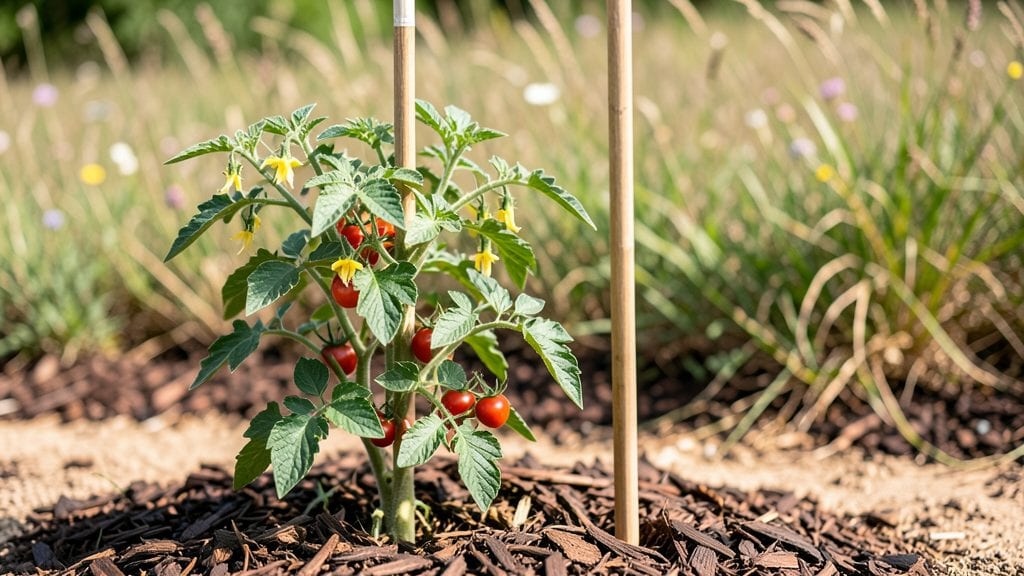
Creating bushy tomato plants starts with the right pruning tricks—thicker vines mean more energy for fruit, not just leaves. I learned this the hard way after my first season of leggy, weak plants that barely held up their own weight.
The secret lies in strategic cuts and smart feeding, not just hacking away at vines.
You’ll need sharp pruners, a balanced fertilizer (like 5-5-5), and a sunny spot with at least 6 hours of light daily. Determinate varieties like ‘Roma’ stay compact naturally, while indeterminate types like ‘Sungold’ need regular pruning to encourage bushiness.
The key is removing suckers—those little shoots between the main stem and branches—when they’re still small, about 1 inch long.
Within 2-3 weeks, you’ll see new growth sprout from the pruned areas, and those thick vines will support heavier fruit loads without snapping. The plants stay sturdy, leaves stay lush, and you avoid the common mistake of over-pruning, which stresses the plant.
Think of it as sculpting—you’re shaping the plant to focus its energy where it counts.
This method works for both backyard gardens and container growers, though container plants may need slightly more frequent pruning to maintain shape. The payoff? Tomatoes that ripen faster, stay on the vine longer, and produce 20-30% more fruit than unpruned plants. Let’s get those vines strong!
📚 In This Guide
- What you need
- Instructions
- Tips and common mistakes
- Wrapping up and next steps
What you need
- ● Tomato plants: Disease-resistant varieties (e.g., Roma, Beefsteak, or Cherry) with healthy, established vines.
- ● Pruning shears: Sharp, bypass shears (4–6 inch blades) for clean cuts—avoid dull tools that crush stems!
- ● Gloves: Heavy-duty garden gloves to protect hands from thorns and dirt.
- ● Disinfectant: 70% isopropyl alcohol or a 10% bleach solution to sterilize tools between cuts (prevents disease spread).
- ● Support structure: Cages or stakes: 5–6 ft tall, coated with galvanized metal or PVC to prevent rust.
- ● Trellis: For indeterminate varieties (e.g., cherry tomatoes)—use a 4x8 ft wire mesh or bamboo lattice.
- ● Mulch: Organic mulch (straw, grass clippings, or shredded leaves) to retain moisture and suppress weeds.
- ● Fertilizer: Balanced 10-10-10 or tomato-specific fertilizer (follow package rates).
- ● Pruning saw: For thick, woody stems (rare in tomatoes but handy for overgrown plants).
- ● Plant ties: Soft fabric strips or Velcro ties to secure vines to supports gently.
- ● Growth regulator: Paclobutrazol (follow label instructions) to promote bushier growth in some varieties.
- ● Companion plants: Basil, marigolds, or borage to deter pests and improve yield.
Instructions for pruning tomato plants to encourage bushy growth
Transform leggy, weak tomato vines into sturdy, fruit-bearing bushes with these precision pruning techniques.
Identify and Remove Suckers for Stronger Structure
Suckers are the small shoots that form in the leaf axils where a stem meets a leaf. These compete with your main plant for energy, weakening growth. Use your fingers or clean pruning shears to pinch them off when they're about 1 inch long—this prevents stress on the plant. Start pruning 2-3 weeks after transplanting, when the plant has developed at least 4-5 leaves. Focus on the lower third of the plant first, as these suckers drain resources that could fuel fruit production.
Here's the thing—don’t remove every sucker you see. Leave the ones near the top third of the plant, as these can help form additional branches that support more fruit clusters. The goal is balance: remove 70% of suckers while keeping the plant's natural branching intact. You'll know you're doing it right when the main stem thickens and the leaves develop a deeper green hue, signaling stronger photosynthesis.
Prune Lower Leaves to Improve Airflow and Fruit Quality
Remove all leaves from the lower 12 inches of the plant, especially those touching the soil. This prevents disease spread and improves airflow, which is critical for bushy tomato plants. Use sharp pruning shears to make clean cuts just above a leaf node or stem. Avoid tearing leaves, as this creates entry points for fungal infections. Focus on yellowing or diseased leaves first—they’re already compromising the plant’s health.
I always prune on a dry, sunny morning when the plants are actively photosynthesizing. This helps them recover faster. After pruning, step back and assess the plant’s shape. You’re aiming for a pyramid-like structure with a thick base and gradually narrowing toward the top. This shape distributes weight evenly and prevents the plant from toppling under the weight of fruit.
Support the Plant with a Cage or Stake
Install a 6-foot tomato cage or sturdy stake immediately after pruning to provide structural support. If using a cage, gently weave the main stem through the openings as it grows—this prevents damage later. For staking, tie the stem loosely with soft plant ties or strips of old T-shirt fabric every 12 inches up the stem. Avoid wire or anything that can cut into the plant as it thickens. The goal is to guide growth, not restrict it.
Here’s where many gardeners go wrong: they wait until the plant is already leaning or sagging before adding support. By then, the stem may have weakened or developed kinks that never straighten. Prune and stake within 48 hours of each other to create a strong foundation. You’ll notice the plant stands taller and the leaves remain upright rather than drooping, which is a clear sign the support is working.
Thin Fruit Clusters for Larger, Healthier Tomatoes
When tomato flowers appear, allow only 1-2 flowers per cluster to set fruit. Remove the rest by gently twisting them off with your fingers. This may seem counterintuitive—after all, more flowers mean more fruit, right? But overloading the plant with too many tomatoes strains its resources, leading to smaller, underripe fruit. Focus on removing flowers from the lower clusters first, as these fruits will ripen first and may shade the developing ones below.
Thinning should happen within 7-10 days of flowering, when the fruit is still pea-sized. At this stage, it’s easy to remove without damaging the plant. You’ll see the remaining fruit swell more quickly and develop a deeper color, indicating the plant is directing all its energy into fewer, higher-quality tomatoes. This step is especially critical for bushy tomato varieties, which already have a compact growth habit and limited energy reserves.
Monitor and Adjust Pruning as the Plant Matures
Continue pruning suckers and lower leaves every 7-10 days throughout the growing season. As the plant matures, shift your focus to removing leaves that shade the fruit clusters, particularly in the lower canopy. These leaves rob sunlight and air from the developing tomatoes. Use your fingers to pluck them off rather than cutting, as this minimizes stress on the plant. Pay special attention to the top third of the plant, where the heaviest fruit load will be.
By mid-season, your tomato plant should resemble a compact, bushy shrub rather than a tall, spindly vine. The stems should be thick and woody, and the leaves should be dark green and evenly spaced. If you notice the plant slowing down or leaves yellowing between veins, it’s a sign of nutrient deficiency—this is often a result of over-pruning. In this case, reduce pruning frequency and fertilize with a balanced, water-soluble fertilizer to encourage recovery.
Tips & tricks for perfectly bushy tomato plants
These precision pruning strategies will transform your leggy tomato plants into sturdy, high-yielding shrubs that produce bigger, healthier fruit.
Timing is Everything: The 2-3 week window after transplanting is critical for establishing strong structure. This is when your plant has enough leaves to support growth but hasn't yet become overburdened by fruit production. I've found that starting pruning too early can stress young plants, while waiting too long means you're playing catch-up with weak stems that may never fully recover their bushy form. Focus on the lower third first—these suckers are the biggest energy drainers and removing them early redirects resources to the main stem and fruit clusters.
Pruning Technique Matters: When removing suckers in Step 1, always pinch them off cleanly at the base rather than tearing them. The clean cut prevents disease entry points and minimizes stress on the plant. For leaves in Step 2, use sharp pruning shears to make clean cuts just above a leaf node—this encourages new growth from that node rather than leaving a jagged wound. I've seen many gardeners accidentally tear leaves, creating perfect entry points for fungal infections that can devastate tomato plants during humid growing seasons.
Support System Integration: The 48-hour window between pruning and staking is non-negotiable for structural integrity. Many gardeners make the mistake of waiting until the plant is already leaning or sagging before adding support. By then, the stem may have weakened permanently. Install your 6-foot cage or stake immediately after pruning to create a strong foundation. For staking, use soft plant ties every 12 inches—never wire—which can cut into the thickening stem as the plant grows. This integration prevents the plant from developing kinks that can't be straightened later.
Fruit Thinning Strategy: When thinning flowers in Step 4, focus on removing the smallest flowers first—they're the least likely to develop into quality fruit anyway. The 7-10 day window after flowering is perfect because the remaining fruit will have established themselves while the plant still has energy reserves. I've noticed that leaving too many flowers often results in smaller tomatoes that ripen unevenly. By limiting to 1-2 flowers per cluster, you're essentially telling the plant, "Focus all your energy on making these few tomatoes exceptional."
Pro Tips for Bushy Tomato Plants
- These precision pruning strategies will transform your leggy tomato plants into sturdy, high-yielding shrubs that produce bigger, healthier fruit.
- Timing is Everything: The 2-3 week window after transplanting is critical for establishing strong structure.
- Pruning Technique Matters: When removing suckers in Step 1, always pinch them off cleanly at the base rather than tearing them.
Frequently asked questions
Got questions about keeping your tomato plants bushy and productive?
Here are some of the most common concerns—and quick answers to help you grow like a pro!
Why do my tomato plants grow so bushy, and is that a problem?
A bushy tomato plant isn’t always bad—it just depends on the variety! Indeterminate tomatoes (like 'Sungold' or 'Better Boy') naturally grow tall and sprawling, while determinate types (like 'Roma' or 'Celebrity') stay compact. Pruning helps manage growth, improve airflow, and direct energy to fruit production. If your plant is too bushy, it might struggle with disease or poor pollination.
When is the best time to prune bushy tomato plants?
Prune early and often—start when plants are 12–18 inches tall, then trim throughout the season. For indeterminate varieties, pinch off suckers (the small shoots in the leaf axils) weekly. Avoid heavy pruning late in the season, as it can stress the plant before harvest. Pro tip: Morning pruning gives wounds time to heal before evening moisture sets in!
How much should I trim off a bushy tomato plant?
For indeterminate tomatoes, aim to remove 1/3 of the foliage if the plant is overly dense. Focus on:
- Yellow or diseased leaves (cut them below the problem area).
- Suckers (shoots growing between the main stem and branches).
- Lower leaves touching the soil (to prevent rot).
Can I prune tomato plants in hot or cold weather?
Prune when temperatures are mild (60–80°F). Avoid trimming during heatwaves or cold snaps, as stress can shock the plant. If you must prune in extreme heat, do it early in the morning or late afternoon to reduce water loss. Cold-sensitive varieties (like 'Cherry Tomatoes') are especially vulnerable—wait for warmer days!
What if my tomato plant gets too leggy after pruning?
Leggy growth happens when plants stretch for sunlight. To fix it:
- Move plants to a sunnier spot (tomatoes need 6–8+ hours of sun daily).
- Use a reflective surface (like white plastic or aluminum foil) to bounce light onto leaves.
- Fertilize with a balanced, low-nitrogen feed (like 5-5-5) to encourage bushier growth.
- Train vines upward with cages or stakes to promote compactness.
Wrapping up and next steps
Growing bushy tomato plants isn’t just about patience—it’s about the right techniques!
With proper pruning, companion planting, and a little TLC, you’ll be rewarded with thicker vines and bigger, juicier tomatoes. 🍅✨ Remember, every snip is a step toward a more productive harvest, so don’t hesitate to get your shears ready.
Ready to take your tomato game to the next level? Start by observing your plants this week—note their growth patterns and adjust your pruning schedule as needed. Happy gardening! 🌱💚