
Blooming
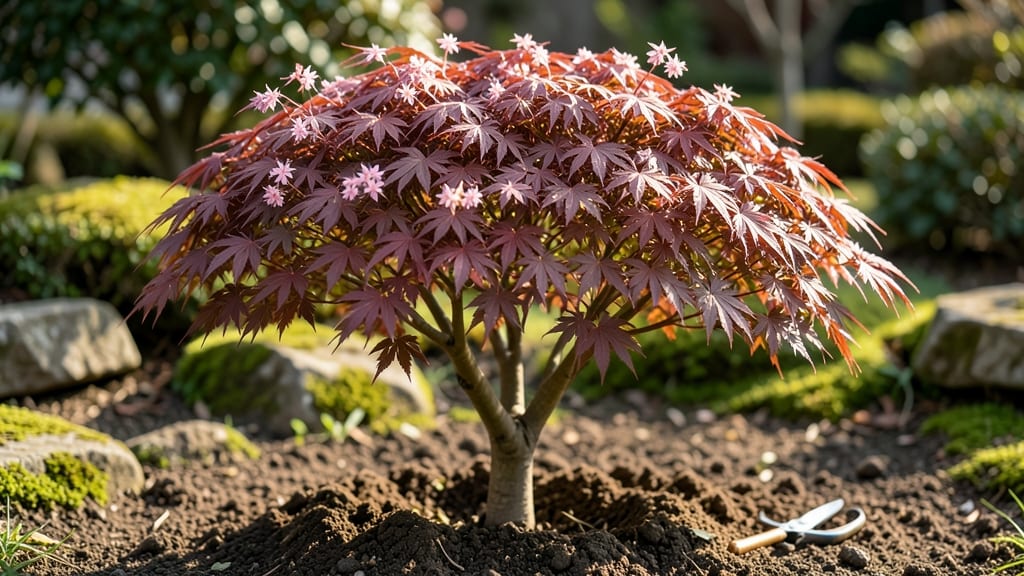
A blooming maple plant brings a touch of woodland magic to any yard, with delicate flowers that precede the iconic foliage. 🌿 I’ve grown Japanese maples for years, and the key to their vibrant blooms—and that stunning fall color—starts with the right soil and sunlight balance.
Most people overlook how much these plants reward patience, especially when it comes to watering and pruning.
The secret to consistent blooms lies in well-draining soil mixed with compost, morning sun, and afternoon shade—especially in hot climates. My plants thrive in 5-6 hours of sunlight daily, and I water deeply but infrequently to encourage strong root growth.
Pruning in late winter removes dead branches while shaping the tree for better airflow, which prevents fungal issues that can kill flowers.
By spring, you’ll see clusters of tiny red or yellow blossoms followed by the signature maple leaves, all while the plant stays cold-hardy down to -20°F. The foliage stays lush even through summer droughts, and the fall colors?
Unmatched. Japanese maples like ‘Bloodgood’ or ‘Emperor I’ are the showstoppers, but even common red maples will reward you with flowers if you meet their needs.
Here’s the catch: maples are slow to bloom when young—sometimes 5-10 years—but once they start, they’ll keep you hooked. The biggest mistake? Over-fertilizing, which pushes leaves over flowers. Let’s get yours on the right track for next spring’s blossoms.
📚 In This Guide
- What you need
- Instructions
- Tips and common mistakes
- Wrapping up and next steps
What you need
- ● Maple plant: Choose between seeds (from a Japanese maple or red maple), a young nursery sapling, or a cutting from an existing maple tree.
- ● Well-draining potting mix: 5–10 gallons (for containers) or amend garden soil with compost (20–30% by volume) and perlite (1 part perlite to 3 parts soil).
- ○ Container (optional but recommended for small spaces): Minimum 15-gallon pot for young plants (diameter ≥ 12 inches).
- ● Larger containers (20+ gallons) for mature maples.
- ● Drainage holes are a must!
- ● Slow-release fertilizer: A balanced 10-10-10 or acid-loving plant fertilizer (e.g., for azaleas/rhododendrons).
- ● Mulch: Pine bark or wood chips (2–3 inches thick) to retain moisture and regulate soil temp.
- ● Garden trowel or shovel for planting.
- ● Pruning shears (sterilized with rubbing alcohol) for shaping or propagation.
- ● Watering can or hose with a gentle spray nozzle (maples hate soggy roots!).
- ● pH test kit (ideal soil pH: 5.0–6.5 for acid-loving maples).
- ○ Optional but helpful: Rooting hormone (if propagating from cuttings).
- ● Shade cloth (30–50% coverage) for young plants in hot climates.
- ● Stakes or trellis (for support if growing in windy areas).
- ● USDA Hardiness Zones: 4–9 (most maple varieties). Check your zone here!
- ● Sunlight: Full sun (6+ hours/day) for vibrant blooms, but morning sun + afternoon shade in hot zones (e.g., Zone 9+).
- ● Wind protection: Young maples are sensitive to strong winds—plant near a fence or use a windbreak.
How to grow a stunning blooming maple plant
Here's how to cultivate a maple with vibrant foliage that thrives through all seasons.
🌱 Step 1: Select the Right Maple Variety and Location
Choose a cold-hardy variety like Acer palmatum 'Bloodgood' or Acer japonicum 'Aconitifolium' for reliable blooms and foliage. These thrive in USDA zones 5-8, but check your specific variety's range. Plant in full sun to partial shade—at least 6 hours of sunlight daily ensures vibrant blooms, though afternoon shade prevents leaf scorch in hot climates.
Maples hate soggy roots, so pick a spot with well-draining soil. If your yard has heavy clay, amend with 2-3 inches of compost mixed into the top 12 inches of soil before planting. Avoid low-lying areas where water pools after rain. The ideal location balances sun exposure with natural shade from nearby trees or structures.
🪴 Step 2: Plant at the Correct Depth and Spacing
Dig a hole twice as wide as the root ball but no deeper—maples dislike being buried too deeply, which can suffocate roots. Gently loosen any circling roots with your fingers to encourage outward growth. Place the plant so the top of the root ball sits level with the surrounding soil—burying the trunk too deep causes rot.
Space maples 15-25 feet apart, depending on the mature size of your variety. Smaller varieties like Acer palmatum can go in at 10 feet, while larger species need 25+ feet to prevent overcrowding. Backfill the hole with native soil, tamping lightly to remove air pockets. Water deeply to settle the soil around the roots.
☀️ Step 3: Water and Mulch for Year-Round Health
Water deeply once a week during the first growing season, soaking the soil to 12 inches deep. After establishment, maples are drought-tolerant but still need 1 inch of water weekly during dry spells. You’ll know it’s enough when the soil feels moist 2 inches below the surface—stick your finger in to check.
Apply 3 inches of mulch (like wood chips or shredded bark) around the base, keeping it 3 inches away from the trunk to prevent rot. Mulch conserves moisture, regulates soil temperature, and suppresses weeds. Refresh the mulch layer annually in early spring to maintain protection through winter.
✂️ Step 4: Prune for Shape and Blooms
Prune in late winter or early spring before new growth begins. Remove dead, diseased, or crossing branches first—these compete with healthy growth and reduce airflow. Cut back to the bud or branch collar (the swollen area where branches meet the trunk) to avoid leaving stubs that invite decay.
Shape the plant by thinning out 10-20% of the canopy to improve light penetration. Avoid heavy pruning—maples respond poorly to drastic cuts, which can stress the tree and reduce flowering. After pruning, apply a balanced fertilizer (like 10-10-10) to support new growth, but skip fertilization in fall to encourage dormancy.
⏰ Step 5: Protect Through Winter and Prepare for Spring
Young maples benefit from wrapping the trunk with tree guard or burlap in winter to prevent sunscald and rodent damage. Older trees usually handle cold well, but a thick layer of mulch (up to 4 inches) insulates roots from freezing temperatures. Avoid piling mulch against the trunk—keep it in a donut shape around the base.
In early spring, remove any winter wraps and check for splits or cracks in the bark. Prune any damaged branches immediately to prevent pests from moving in. Watch for bud swell—this signals active growth and the perfect time to apply a slow-release fertilizer to fuel the season ahead.
Tips & tricks for perfect blooming maple plant care
Here's what I've learned from years of growing maples—these tricks will help your tree thrive and bloom beautifully.
The Location Secret: In Step 1, when choosing your spot, pay extra attention to morning sun and afternoon shade. The 6 hours of sunlight should ideally come from the east, where morning rays are gentler. This balance prevents leaf scorch while still giving your maple enough energy for vibrant blooms. I've seen maples in full afternoon sun develop brown patches, so don't skip that afternoon shade if you're in a hot climate.
Root Health Strategy: For Step 1's soil prep, if you're dealing with heavy clay, don't just add compost—mix in 2-3 inches of coarse sand along with the compost. This improves drainage while maintaining moisture. I've had maples in pure clay soil struggle until I made this adjustment. The key is that 12 inches of amended soil should feel like damp sand when squeezed—not sticky or compacted.
Pruning Precision: When you're pruning in Step 4, focus on removing branches that grow toward the center of the tree. These compete for sunlight and nutrients, reducing both blooms and foliage quality. I use a 10-inch pruning saw for thicker branches and hand pruners for smaller ones. Always cut just outside the branch collar—this is where the branch naturally swells—and avoid leaving stubs, which can trap moisture and cause rot.
Winter Protection Hack: For Step 5's winter care, if you're in zone 5 and get particularly harsh winters, consider adding 2 inches of straw mulch on top of your existing 4 inches of wood chips. This extra layer acts like a blanket, protecting roots from extreme temperature swings. I've seen maples in my zone survive -20°F winters with this extra protection, while nearby trees without it suffered frost cracks.
Pro Tips for Blooming Maple Plant
- Here's what I've learned from years of growing maples—these tricks will help your tree thrive and bloom beautifully.
- The Location Secret: In Step 1, when choosing your spot, pay extra attention to morning sun and afternoon shade.
- Root Health Strategy: For Step 1's soil prep, if you're dealing with heavy clay, don't just add compost—mix in 2-3 inches of coarse sand along with the compost.
Frequently asked questions
Got questions about nurturing your blooming maple plant? You’re not alone—these cold-hardy beauties bring unique challenges (and rewards!). Here’s what readers ask most often:
When do blooming maples flower, and how can I encourage more blooms?
Most blooming maples (like Japanese maples or Acer palmatum) flower in early spring, often before leaves emerge. To boost blooms: prune lightly in late winter to open the canopy, ensure full sun to partial shade, and fertilize in early spring with acidic, phosphorus-rich soil. Avoid heavy pruning—it reduces next year’s flowers!
Are blooming maples truly cold-hardy? What zones do they tolerate?
Yes! Most blooming maples thrive in USDA Zones 5–8, with some varieties (like Acer truncatum) enduring down to -30°F (-34°C). For colder climates, choose hardy cultivars (e.g., Autumn Blaze or Bloodgood) and mulch heavily in winter to protect roots. Young plants may need burlap wraps for extra insulation.
Why aren’t my maple leaves turning vibrant colors in fall?
Dull fall colors often stem from stress. Check these fixes:
If issues persist, leaf spot disease or pests (like aphids) could be culprits—treat with neem oil if needed. Dwarf varieties (e.g., Emperor I or Drummondii) thrive in containers. Use a 15–20 gallon pot for mature plants, with drainage holes and well-draining soil (60% soil, 30% perlite, 10% compost). Repot every 2–3 years and fertilize monthly in growing season. Move pots indoors in winter if temps drop below 10°F (-12°C). If blooming maples aren’t your style, try these low-maintenance, colorful alternatives:
For evergreen options, consider Japanese holly (Ilex crenata) or Dwarf Alberta Spruce.
Can I grow a blooming maple in a container? What’s the best pot size?
What’s a good alternative if I want year-round color but no blooms?
Wrapping up and next steps
Growing a blooming maple plant is a rewarding journey that brings year-round beauty and resilience to your garden. With the right care—from selecting the perfect variety to mastering pruning and winter prep—you’ll enjoy vibrant foliage, stunning blooms, and a touch of nature’s elegance.
Whether you’re a seasoned gardener or just starting, this cold-hardy plant is a fantastic addition to any outdoor space.
Ready to make your maple plant thrive? Start by choosing your favorite variety (like Japanese maple or trident maple) and follow the steps you’ve learned. Before you know it, your garden will be bursting with color and life—one leaf at a time! 🌿✨