
Plants
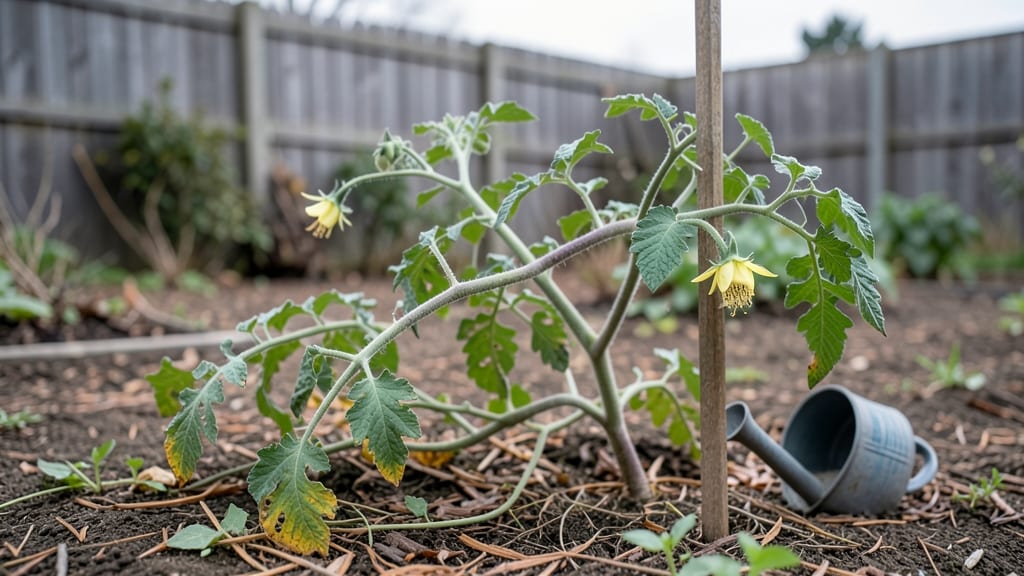
Leggy tomato plants stretch toward the sky like overgrown teenagers, desperate for attention they’re not getting. 🌱 I’ve watched my own vines go from sturdy to sad in just two weeks—until I learned these three targeted trims that turn floppy stems into sturdy pillars.
The secret isn’t more water or fertilizer, but strategic cuts that force energy back into the plant’s core.
Most gardeners panic when they see those long, weak stems, but legginess is actually a sign of one thing: the plant isn’t getting enough light. Whether it’s shade from nearby plants, a crowded container, or simply not enough sun hours, tomatoes respond by stretching.
These three trims—one above the first true leaves, one at the first flower cluster, and one at the third—redirect growth downward where it belongs, not upward where it collapses.
After just one week of proper trimming, you’ll see thicker stems that can actually support fruit without snapping. The plants stay compact enough to fit in smaller spaces, produce more flowers, and resist disease better.
Best of all, you’ll end up with tomatoes that ripen evenly instead of a few overripe ones at the top while the rest stay green.
This works for both determinate (bush) and indeterminate (vining) varieties, whether you’re growing in the ground or containers. The key is timing—do these cuts in the morning so the plant has the whole day to recover. Your tomatoes will thank you with a harvest that’s both bountiful and sturdy.
The Hidden Triggers Behind Tall Tomato Stems
Understanding why your tomato plants stretch skyward like overcaffeinated teenagers is the first step to reclaiming that sturdy, bushy growth. Leggy plants aren’t just a cosmetic issue—they’re a cry for help from your tomatoes.
Let’s break down the real culprits behind those elongated stems, so you can tackle the root (pun intended) of the problem.
Tomatoes are sun worshippers—they crave 6 to 8+ hours of direct sunlight daily. When they don’t get enough light, plants stretch desperately toward any available rays in a phenomenon called etiolation. Here’s what’s happening in the soil (and above it):
- Weak cell walls: Without sunlight, tomatoes can’t produce enough chlorophyll, the pigment that turns light into energy.
This forces them to grow longer, thinner stems to reach light sources—even artificial ones like indoor grow lights. - Poor energy storage: Sunlight triggers the production of carbohydrates (like glucose) in leaves.
Without it, plants divert energy to vertical growth instead of thickening stems or producing fruit. - Light deprivation signs: - Leaves grow pale, yellow, or reddish (a sign of stress). - New growth is spindly and weak, often snapping under its own weight. - Flowers (if any) are small and may drop off before fruiting.
💡 Pro Tip: If your tomatoes are in containers or shaded spots, rotate them weekly to ensure even light exposure. South-facing windows or a reflective surface (like white walls or aluminum foil) can bounce extra light onto plants.
Tomatoes need room to breathe—literally. When roots are cramped (either in small pots or densely planted beds), they can’t absorb nutrients efficiently, leading to weak, leggy stems. Here’s the science:
- Nutrient competition: Roots in tight spaces compete for water and minerals, starving the plant of essential nitrogen, phosphorus, and potassium (NPK).
Without these, stems grow long but weak, like a skyscraper built on sand. - Oxygen deprivation: Crowded roots suffocate because they can’t access enough oxygen in the soil.
This slows root growth, reducing the plant’s ability to anchor itself and support upright stems. - Root-bound stress: If tomatoes are root-bound (circling the pot), they’ll prioritize above-ground growth to escape the cramped conditions, even if it means sacrificing stem thickness.
✨ Actionable Fix: Give tomatoes 18–24 inches of space between plants (or use cage supports to encourage vertical growth). If repotting, choose a container 20% larger in diameter and add compost to loosen the soil.
Fertilizer imbalances are a silent saboteur of tomato health. Too much nitrogen (N)—the first number in NPK—promotes leafy growth at the expense of sturdy stems. Here’s how it backfires:
- Leafy monsters, not fruit: Nitrogen fuels foliage production, but without enough phosphorus (P) or potassium (K), tomatoes prioritize leaves over structural support.
This leads to tall, weak stems that flop under fruit weight. - Delayed flowering: Excess nitrogen suppresses flowering hormones, causing plants to delay or skip fruit production entirely while they focus on vertical growth. - Yellowing leaves: A classic sign of nitrogen burn, where leaves turn dark green or yellow (a condition called chlorosis) while stems remain thin and hollow.
🎯 Quick Fix: Switch to a balanced fertilizer (like 5-5-5 or 10-10-10) or one higher in phosphorus (e.g., 3-12-6) to encourage root and stem development. Avoid high-nitrogen fertilizers (like lawn food) near tomato plants.
Tomatoes are warm-weather babies—they thrive in 70–85°F (21–29°C). When temperatures dip too low or spike too high, their growth patterns go haywire:
- Cool nights (<55°F/13°C): Tomatoes slow down their metabolic processes, leading to stunted, leggy growth as they conserve energy.
This is common in spring or fall plantings. - Heat stress (>90°F/32°C): While tomatoes love warmth, extreme heat causes transpiration stress (water loss through leaves), forcing plants to grow taller and faster to escape the heat—often at the cost of stem thickness. - Day-night temperature swings: If temps drop at night but soar during the day, tomatoes can’t regulate growth properly, resulting in uneven, weak stems.
🌡️ Climate Hack: Use row covers for early-season protection or shade cloth (30–50%) during heatwaves. Mulch heavily to keep soil temps stable—tomatoes prefer consistent warmth, not rollercoaster conditions.
Waterlogged soil is a double-edged sword—it can either drown roots or stress plants into leggy growth. Here’s the connection:
- Oxygen starvation: Roots need aeration to function.
In soggy soil, oxygen levels plummet, forcing plants to grow faster above ground to compensate for poor nutrient uptake. - Fungal infections: Waterlogged conditions breed root rot (like Phytophthora), which weakens the root system, leading to top-heavy, leggy stems. - Nutrient leaching: Excess water washes away nutrients, leaving tomatoes malnourished and unable to develop thick, sturdy stems.
💧 Drainage Solution: Amend soil with perlite, vermiculite, or compost to improve aeration. If using containers, ensure drainage holes are present and elevate pots to prevent water pooling. Avoid overwatering—stick your finger in the soil; if the top 1–2 inches are dry, it’s time to water.
Even if you’ve nurtured seedlings perfectly, transplanting can send them into a panic. Here’s why they react by stretching:
- Root disturbance: When you move tomatoes, roots get damaged, reducing their ability to absorb water and nutrients.
The plant prioritizes regrowing roots over stem strength, leading to leggy, weak growth. - Light adaptation stress: Seedlings often start in low-light conditions (like a windowsill) and then get suddenly exposed to bright outdoor light.
This shock can cause etiolation as they adjust. - Delayed recovery: If transplanted too late (after the first true leaves appear), tomatoes may struggle to establish before stretching upward.
👨🍳 Transplant Pro Tips:
- Hardening off seedlings (gradually exposing them to outdoor conditions for 5–7 days) reduces shock.
- Plant deeply: Bury stems up to the first leaves—this encourages new root growth from the buried stem.
- Use shade cloth for the first week post-transplant to ease the light adjustment.
Quick Fixes for Tall, Weak Tomato Stems
Leggy tomato plants aren’t just a cosmetic issue—they’re a sign your plants are struggling to support their own weight, leaving them vulnerable to disease, pests, and poor fruit production.
But don’t worry! With the right fixes, you can strengthen those stems and encourage bushier, healthier growth. Here’s how to turn those spindly plants into sturdy producers.
Leggy plants often grow this way because they’re stretching toward light, but their lower stems lack support. Pruning strategically helps redirect energy to stronger growth.
How to do it:
- 🔪 Trim the top: Cut off the top 2–3 inches of the main stem just above a leaf node (where leaves grow). This stops the upward stretch and encourages side branches.
- 🌿 Prune lower leaves: Remove the bottom 6–12 inches of leaves (or until the first flower cluster). This improves airflow and sunlight penetration to the lower stems.
- 🌿 Pinch suckers: Suckers (small shoots between the stem and branches) can drain energy. Pinch them off early to focus growth on the main structure.
Prevention tip: 💡 Start pruning early! If you wait until plants are already leggy, they’ll take longer to recover. Prune young plants weekly to maintain shape.
Leggy plants often mean not enough light or weak structural support. Adjusting these two factors can work wonders.
How to do it:
- ☀️ Move plants to sunnier spots: If growing indoors, place them near a south-facing window or use grow lights 12–16 hours a day. Outdoors? Ensure they get 6+ hours of direct sunlight daily.
- 🌿 Add stakes or cages early: Before plants get too tall, install tomato cages, stakes, or trellises to support their weight. Secure them gently with soft ties (like old T-shirts or plant clips).
- 🌱 Bury stems deeper: If plants are already leggy, gently hill soil around the base (up to the first leaves) to encourage root growth along the buried stem.
Prevention tip: 🌡️ Monitor temperature! Too much heat (above 90°F) can cause leggy growth. Use shade cloth in peak afternoon sun if needed.
Leggy plants often lack nitrogen (for leaves) or phosphorus (for roots). A quick nutrient boost can help them bulk up faster.
How to do it:
- 💪 Use a balanced fertilizer: Switch to a 5-10-10 or 10-20-20 fertilizer (higher phosphorus/potassium) to strengthen roots and stems. Follow package instructions.
- 💧 Water deeply but less often: Shallow watering encourages weak, fast growth. Instead, water at the base 1–2 inches deep, 2–3 times per week (adjust for climate).
- 🌿 Add compost or worm castings: Mix compost or aged manure into the soil for slow-release nutrients. This builds soil health long-term.
Prevention tip: ✨ Avoid over-fertilizing with nitrogen! Too much promotes leafy (but weak) growth. Balance N-P-K for sturdy stems and strong roots.
If your plants are already top-heavy and flopping, try this last-chance method:
- 🔪 Cut back 1/3 of the plant (including leggy stems) to reduce weight.
- 🌿 Prune aggressively—remove all but the top 2–3 leaves and any diseased or yellowing foliage.
- 💧 Water thoroughly and fertilize with phosphorus-heavy food (like bone meal).
- 🌿 Propagate cuttings (if you have healthy side shoots) to grow new plants.
Prevention tip: 🎯 Next season, start with dwarf or determinate varieties! They naturally grow bushier and require less support.
Final Thought: Leggy tomato plants are fixable—you just need to prune, support, and nourish them the right way. With these fixes, your plants will soon be stocky, productive, and ready for harvest! 🍅💪
Frequently asked questions
Why do my tomato plants grow so tall and weak instead of bushy?
Leggy tomato plants stretch toward light when they don't get enough sunlight (6+ hours daily). This condition, called etiolation, happens because plants prioritize reaching light over developing sturdy stems. Other causes include overcrowding, excess nitrogen fertilizer, or inconsistent temperatures.
Can I still save leggy tomato plants, or should I start over?
You can absolutely save them! Prune the top growth to encourage bushier side shoots, provide proper support with stakes or cages, and move them to a sunnier location. With proper care, they'll recover and produce fruit. Starting over isn't necessary unless the plants show signs of disease.
How often should I prune leggy tomato plants to keep them strong?
Prune young plants weekly to maintain shape, focusing on removing the top 2-3 inches and lower leaves. For established plants, prune every 2-3 weeks during the growing season. Always use clean pruners and remove only 1/3 of the plant at a time to avoid shocking it.
What's the best fertilizer to use for fixing leggy tomato plants?
Switch to a balanced fertilizer with higher phosphorus (P) and potassium (K) like 5-10-10 or 10-20-20. Avoid high-nitrogen fertilizers which promote leafy growth at the expense of sturdy stems. Organic options like bone meal or compost also work well to strengthen roots and stems.
Will leggy tomato plants still produce fruit, or should I remove them?
Leggy plants can still produce fruit, though yields may be smaller and fruit may ripen unevenly. Focus on supporting the plants with stakes or cages and improving growing conditions. If the stems are too weak to support fruit, you can prune back aggressively and redirect energy to new growth.