
Pruning
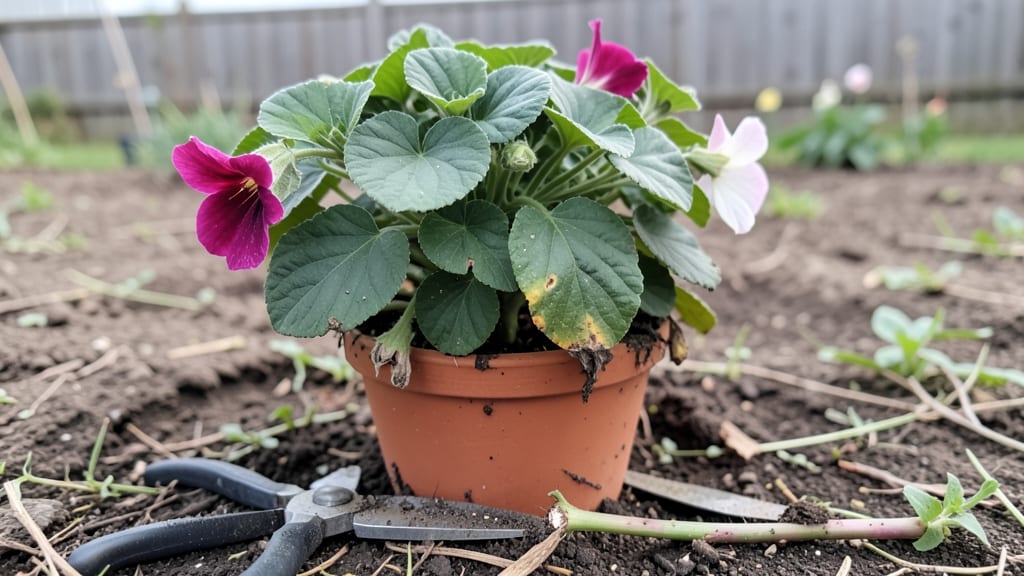
Pruning impatiens plants isn't just about keeping them tidy—it's the secret to nonstop blooms all season long. I learned this the hard way when my first batch of impatiens turned into a leggy, sparse mess after just a few weeks.
The key isn't cutting back randomly; it's timing those three seasonal trims to match their natural growth cycles. You'll end up with bushier plants that flower heavier and longer than you ever thought possible.
You only need three things to get started: sharp bypass pruners (dull blades crush stems), clean scissors for smaller cuts, and a sunny morning to work. The real magic happens when you prune at the right times—right after planting, mid-season when growth slows, and one final trim before winter.
Each cut encourages new branches to form, which means more flowers and fewer bare stems. Even my black thumb can't mess this up once you know the rhythm.
What you'll notice after just one season is plants that stay compact, vibrant, and covered in blooms from spring until frost. The foliage stays lush and green, not sparse and yellowing, and you'll actually see more flowers than leaves.
This isn't just about aesthetics—it's about extending your impatiens' life by weeks, sometimes even months. The best part? You'll spend less time deadheading because the plant does most of the work for you.
Works for both bush and trailing varieties, in containers or garden beds, and even if you missed the first trim—just adjust your schedule. Here's how to make those cuts count without overdoing it or stressing the plants. Let's get those blooms going strong!
📚 In This Guide
- What you need
- Instructions
- Tips and common mistakes
- Wrapping up and next steps
What you need
- ● Sharp pruning shears – Bypass pruners (4-6" blade) for clean cuts (avoid dull tools that crush stems!).
- ● Hand pruners – Small, ergonomic (3-4") for delicate stems or tight spots.
- ● Gloves – Garden-grade (nitrile or leather) to protect from thorns or sap.
- ● Disinfectant (70% isopropyl alcohol or bleach solution) – 1 part bleach to 9 parts water to sterilize tools between cuts.
- ● Compost bin or bag – For clippings (impatiens decompose quickly!).
- ● Pruning saw – If dealing with woody stems (rare for impatiens but useful for overgrown plants).
- ● Hose or spray bottle – To rinse tools and clean sap off blades.
- ● Plant food or fertilizer – Balanced 10-10-10 or bloom booster (apply post-pruning for a growth boost!).
- ● Mulch – Organic (e.g., shredded bark) to retain moisture after trimming.
- ● Choose a calm, overcast day to minimize stress on the plant.
- ● Water plants 1-2 hours before pruning to reduce sap flow.
- ● Have a clear goal—are you shaping, reviving, or harvesting? Adjust cuts accordingly!
Instructions for pruning impatiens plants
Here's the straightforward approach I use to keep impatiens blooming abundantly all season long.
First Trim After Initial Blooming
About 4-6 weeks after planting, when you notice the first flush of flowers starting to fade, it's time for your first trim. This encourages a second, more vigorous round of blooms. Grab your clean, sharp pruning shears and cut back the stems by about one-third of their height. Focus on removing spent flowers and any leggy growth that's stretching toward the light.
I always make cuts just above a leaf node or branch junction—this is where new growth will sprout. Avoid cutting into woody stems; impatiens are tender and don't respond well to heavy pruning. After trimming, give the plants a light watering to help them recover quickly.
Mid-Season Maintenance Trim
Around mid-summer, when the plants have filled out but you're seeing fewer new flowers, it's time for the second trim. This keeps the plant compact and encourages continuous blooming. Look for stems that have lost most of their lower leaves or are becoming bare at the bottom—these are prime candidates for cutting back.
Trim these stems back to about 2-3 inches above a healthy leaf node. Again, use clean shears to make precise cuts. This mid-season trim is lighter than the first—think of it as a shaping rather than a heavy pruning. You'll notice new growth appearing within 7-10 days, and the plant will start producing fresh flowers from the base.
Final Seasonal Trim Before Dormancy
As temperatures begin to drop and nights grow cooler, typically in late summer or early fall, perform your final trim. This prepares the plant for dormancy and helps it store energy for next season. Cut back all stems by about half, removing any dead or dying foliage. This also reduces the risk of fungal diseases overwintering in the plant.
After this trim, reduce watering gradually. Impatiens are tender perennials in warm climates and may die back completely in colder areas. If you're in a frost-free zone, you can leave them in the ground with minimal care. In colder regions, you might want to dig up container-grown impatiens and store them in a cool, dark place until spring.
Cleanup and Disease Prevention
After each trimming, don't just toss the cuttings in the compost. Impatiens can be susceptible to fungal diseases, so it's important to remove all plant debris from the area. Shred the trimmings and dispose of them in the trash, not the compost pile. This simple step prevents reinfection and keeps your impatiens healthy.
Finally, give the plants a light application of balanced fertilizer after each trim to support new growth. I like to use a 10-10-10 formula diluted to half-strength. This ensures the plants have the nutrients they need to bounce back quickly and produce more flowers.
Tips & tricks for pruning impatiens plants
A few simple techniques will help you maximize blooms and keep your impatiens thriving throughout the season.
The Timing Secret: The 4-6 week mark for your first trim is crucial—this is when impatiens naturally start shifting energy from initial blooms to preparing for the next growth cycle. If you wait too long, you'll miss the opportunity to trigger that second flush of flowers. I've found that trimming just as the first flowers begin to fade rather than after they've fully died back gives the best results.
Precision Cutting Technique: When cutting back stems in Step 1, aim for a clean cut just above a leaf node or branch junction. This is where new growth will emerge, and making precise cuts encourages stronger regrowth. I always use clean, sharp pruning shears to avoid crushing stems, which can damage the plant and invite disease. For the mid-season trim, those 2-3 inches above a healthy leaf node are perfect—they're close enough to maintain shape while giving room for new growth.
Disease Prevention Strategy: After each trimming session, resist the urge to compost those cuttings. Impatiens are particularly susceptible to fungal diseases like powdery mildew, which can overwinter in plant debris. Shredding and disposing of trimmings in the trash instead of compost prevents reinfection. I've seen entire impatiens beds suffer from fungal issues because of this one oversight—don't make my mistake!
Fertilizer Timing: That light application of 10-10-10 fertilizer diluted to half-strength after each trim is more important than you might think. Impatiens are heavy feeders, and pruning removes some of their natural nutrient stores. I've noticed a significant difference in bloom quantity when I fertilize immediately after trimming rather than waiting. The plants seem to bounce back faster and produce more vibrant flowers when given this post-trim boost.
Pro Tips for Pruning Impatiens Plants
- A few simple techniques will help you maximize blooms and keep your impatiens thriving throughout the season.
- The Timing Secret: The 4-6 week mark for your first trim is crucial—this is when impatiens naturally start shifting energy from initial blooms to preparing for the next growth cycle.
- Precision Cutting Technique: When cutting back stems in Step 1, aim for a clean cut just above a leaf node or branch junction.
Frequently asked questions
Got questions about keeping your impatiens blooming beautifully? Here are some answers to the most common concerns about pruning these vibrant plants:
When is the best time to prune impatiens?
The ideal times are early spring (to encourage new growth), after the first flush of blooms (late spring), and late summer (to prolong flowering). Avoid pruning during extreme heat or cold—wait for mild, overcast days for the best results.
How much can I trim back impatiens without harming them?
You can safely trim back up to one-third of the plant’s height at a time. For leggy impatiens, cut just above a leaf node or set of leaves to promote bushier growth. Avoid over-pruning in one session, as it can stress the plant.
What should I do if my impatiens look sad after pruning?
If your plant looks wilted or stressed, it’s likely adjusting to the trim. Keep it well-watered and in partial shade for a few days. Fertilize lightly with a balanced formula to support recovery. Most impatiens bounce back within 2–3 weeks!
Can I prune impatiens to encourage more flowers?
Regular pruning—especially after blooms fade—stimulates new flower production. Pinch back spent blooms and leggy stems to redirect energy into fresh growth. Deadheading (removing faded flowers) also keeps your impatiens looking tidy and blooming longer.
What if I miss the pruning window—can I still do it?
Yes! While seasonal pruning is ideal, you can trim impatiens anytime they look overgrown or leggy. Just avoid heavy pruning late in the season (fall), as it may limit winter hardiness in colder climates. Focus on shaping and removing dead growth instead.
Wrapping up and next steps
Pruning your impatiens isn’t just about tidying up—it’s the secret to longer, fuller blooms and healthier plants! 🌸 By mastering the spring, summer, and fall trims, you’ll encourage bushier growth, prevent legginess, and keep those vibrant flowers coming all season.
Remember: sharp tools, clean cuts, and patience are your best friends.
Ready to see the difference? Grab those shears and give your impatiens the care they deserve—your garden will thank you with nonstop color! Next, watch for pests or nutrient needs and adjust your routine to keep those blooms thriving.