
Diseases
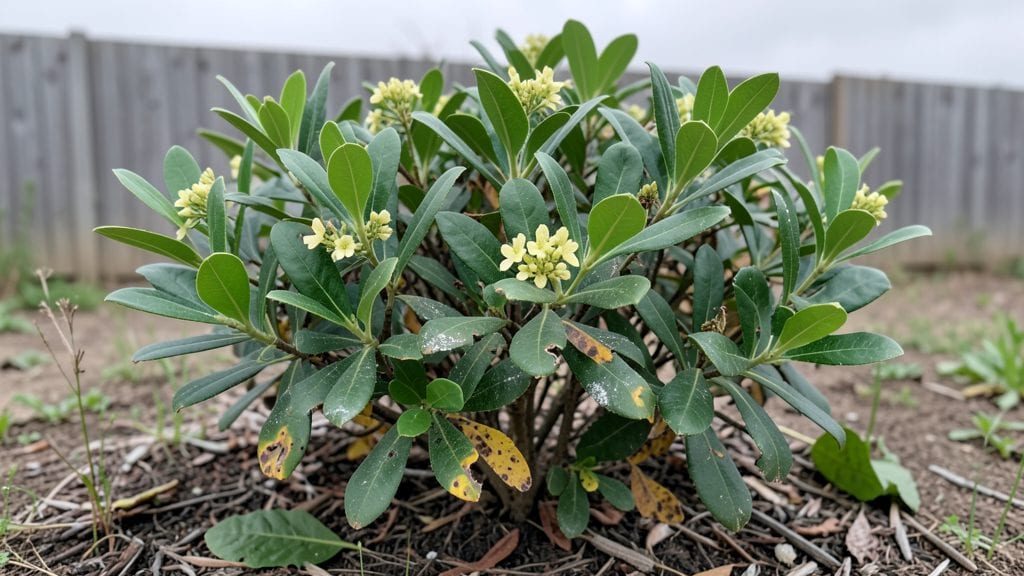
Laurel plant diseases don’t have to mean goodbye to your glossy evergreens. 🌿 I’ve battled everything from black spots to leaf drop, and I’m sharing the exact signs to watch for—so you can catch problems before they spread.
The key is knowing what to look for: yellowing leaves, dark patches, or that sad, wilted look that turns your prized shrubs into a mess.
Most of these fungal issues start with too much moisture or poor airflow. Overhead watering, dense plantings, and ignoring pruning all create the perfect storm for disease.
But once you spot the symptoms—like powdery mildew on leaves or those ugly black spots—you can act fast with simple fixes like pruning infected branches or adjusting your watering routine.
With the right approach, you’ll keep your laurels thriving for years. A little prevention goes a long way: prune for airflow, water at the base, and clean up fallen leaves. I’ve saved more than a few struggling plants this way—and so can you.
Whether you’re dealing with a single branch or a full shrub, these solutions work. The goal is healthy, vibrant laurels that stay lush and strong, no matter what Mother Nature throws at them. Let’s get those plants back in fighting shape.
Root Causes Of Laurel Ailments
Laurel plants—whether the fragrant Laurus nobilis (bay laurel) or ornamental varieties like Prunus laurocerasus—are hardy but not invincible. When fungal diseases strike, they rarely do so by accident. Instead, specific environmental and cultural factors create the perfect storm for pathogens to take hold.
Understanding these triggers is the first step to prevention. Let’s break down the why behind the most common laurel plant diseases.
Fungi thrive in damp, stagnant environments—think of them as the E. coli of the plant world, but with spores instead of bacteria. Laurel plants, especially those with dense foliage, trap moisture when humidity spikes or airflow is restricted. Here’s how it happens:
- Excessive moisture: Laurel leaves retain water, and if rain, overhead watering, or high humidity lingers, fungal spores like Cercospora (causing leaf spot) or Phytophthora (root rot) get a foothold. 💡 Pro tip: Aim for 30–50% humidity—any higher, and you’re rolling out the welcome mat for fungi.
- Compacted soil: Poor drainage from heavy clay or tightly packed soil keeps roots waterlogged. Phytophthora cinnamomi, a notorious root-rotting fungus, exploits this by blocking oxygen uptake. 🔥 Sign: Yellowing leaves that stay crisp (not wilted) signal root suffocation.
- Foliage that never dries: Laurel’s glossy leaves are prone to splashback—water droplets from rain or irrigation can carry spores from soil to leaves. Septoria leaf spot often starts this way.
Actionable fix: Space plants 3–5 feet apart for airflow, water at the base (not overhead), and mulch with gravel or bark (not organic mulch) to wick away moisture.
Watering is a tightrope walk for laurels. Too little, and they weaken; too much, and you’re brewing a fungal cocktail. Here’s how imbalance invites disease:
- Drought stress: Laurel roots shallow out when thirsty, making them more susceptible to root-invading fungi like Armillaria (honey fungus) when they finally get water. 🌡️ Watch for: Wilting despite moist soil—a classic sign of fungal root blockage.
- Overwatering: Laurel roots need well-draining soil. If they’re soggy for >48 hours, Pythium or Rhizoctonia move in, causing damping-off in seedlings or crown rot in mature plants.
- Inconsistent moisture: Laurels hate boom-and-bust watering. Alternating dry spells with sudden soakings stresses plants, lowering their defenses against pathogens like Botrytis (gray mold).
Actionable fix: Water deeply but infrequently—aim for 1–1.5 inches per week (more in heat). Test soil moisture 2 inches down; if dry, water. If wet, wait.
Laurels are not heavy feeders, but they need balanced nutrition to fight off fungal invaders. When they’re starved or overfed, their immune system crashes. Here’s how:
| Deficiency | Fungal Risk | Visual Clues |
|---|---|---|
| Nitrogen (N) | Botrytis (gray mold), Septoria | Pale yellow leaves (older first), stunted growth |
| Potassium (K) | Phytophthora, Verticillium wilt | Brown leaf edges, weak stems (easy fungal entry) |
| Magnesium (Mg) | Powdery mildew, Alternaria leaf spot | Interveinal yellowing (like a mosaic pattern) |
| Over-fertilization (especially N) | Root burn → Pythium infection | Leaf scorch, blackened roots, foul odor |
Actionable fix: Test soil pH (6.0–7.0 is ideal) and use a balanced 10-10-10 fertilizer in early spring. Avoid manure or high-N compost—it burns roots and attracts fungi.
Fungi are opportunistic hitchhikers. Any break in the plant’s skin—whether from pruning, pests, or hail—can be a gateway. Common culprits:
- Improper pruning: Ragged cuts or tools contaminated with Cytospora (a canker-causing fungus) create open wounds. ✨ Rule: Use sterilized shears and make cuts at a 45° angle just outside the branch collar.
- Pest damage: Laurel aphids or spider mites weakened tissue leave behind are prime targets for sooty mold (a fungal hitchhiker on honeydew).
- Mechanical injury: Hail, lawnmowers, or even bird pecking can create entry points for Nectria (a fungal canker).
Actionable fix: Seal pruning wounds with pruning sealant (for cuts >0.5 inches). Monitor for pests and treat immediately with neem oil or insecticidal soap.
Fungi are persistent stowaways. Even a single infected leaf or soil particle can reintroduce disease year after year. How it spreads:
- Dirty pruners: Cytospora or Valsa (canker fungi) can survive on tools for months. A single cut can infect dozens of plants.
- Infested mulch/compost: Organic mulch from diseased plants may harbor Phytophthora spores. ⚠️ Warning: Never reuse mulch from an infected area.
- Shared garden beds: Planting laurels where previous hosts (like roses or azaleas) had fungal issues increases spore density in the soil.
<
Quick Fixes for Laurel Leaf Troubles
Reviving your laurel plant starts with identifying the right remedy for its ailments. Below, we’ve mapped out practical, step-by-step solutions for the most common fungal diseases—plus prevention tips to keep your plant thriving. No green thumb required!
Cause: Cercospora or Phyllosticta spores thrive in damp, humid conditions, creating dark spots with yellow halos. Fix:
- 🔪 Trim the Damage
- Use sterilized pruners (wipe with rubbing alcohol) to cut off infected leaves—don’t compost them! Toss in the trash to stop spores from spreading.
- Remove only leaves with spots; healthy foliage stays put.
- 💦 Adjust Watering Habits
- Water early in the day (before 10 AM) so leaves dry quickly.
- Avoid overhead sprinkling—use a drip irrigation system or water at the base.
- 🌡️ Boost Airflow
- Prune nearby branches to improve circulation around the plant.
- Space laurels 3–4 feet apart if growing multiple plants.
✨ Prevention Pro Tip:
- Spray copper fungicide (like Bonide Copper Fungicide) every 2 weeks during rainy seasons as a preventive shield.
Cause: Erysiphe fungi coat leaves in a white, powdery film, stunting growth. Fix:
- 🧼 Gentle Cleanup
- Mix 1 tsp baking soda + 1 tsp horticultural oil + 1 quart water in a spray bottle.
- Lightly spray the undersides of leaves (where mildew loves to hide) on a dry, sunny morning.
- 🌿 Neem Oil Rescue
- Apply neem oil solution (1 tbsp neem oil + 1 tsp mild soap + 1 quart water) weekly for 2–3 weeks.
- Shake well before spraying—neem oil separates!
- 🌞 Sunlight Strategy
- Move potted laurels to sunnier spots (6+ hours of light daily) to dry leaves faster.
💡 Quick Fix:
- Hydrogen peroxide spray (3% solution, 1:1 with water) can kill mildew on contact—test on a small leaf first!
Cause: Phytophthora or Pythium fungi rot roots in overwatered, soggy soil. Fix:
- ⏰ Emergency Drainage
- Stop watering immediately—let the soil dry out completely for 3–5 days.
- Check if the pot has drainage holes; if not, poke holes with a screwdriver.
- 🌱 Repot with Fresh Soil
- Gently remove the plant and trim mushy roots (healthy roots are firm; rotten roots are brown/slimy).
- Repot in well-draining soil mix (add perlite or sand for aeration).
- 💊 Fungicide Treatment
- Drench roots with mycorrhizal fungicide (like Serenade Garden) before replanting.
🚫 Avoid This Mistake:
- Never replant in the same contaminated soil—sterilize pots with bleach (1:9 ratio) or use new containers.
Cause: Colletotrichum fungi create sunken, watery lesions on leaves. Fix:
- 🧴 Fungicide First Aid
- Spray fixed copper fungicide (e.g., Copper Soap) every 7–10 days until new growth appears.
- 🌧️ Weather Workarounds
- Cover plants with shade cloth during heavy rain to reduce moisture.
- Raise pots off the ground (use saucers with pebbles) to prevent splash-back spores.
- 🔄 Replace Severely Infected Leaves
- If >30% of leaves are damaged, prune aggressively to redirect energy to healthy growth.
🎯 Long-Term Defense:
- Rotate fungicides (e.g., alternate copper with potassium bicarbonate) to prevent resistance.
Keep these easy habits to stop diseases before they start:
- 🌡️ Monitor humidity—aim for 40–60% (use a hygrometer if indoors).
- 🍂 Clean up fallen leaves weekly to remove spore hotspots.
- 🔄 Sterilize tools after each use (bleach dip or alcohol wipe).
- 🌱 Space plants properly—crowding = fungal paradise.
- 💧 Water deeply but less often—laurels hate "wet feet."
Remember: Most fungal diseases are manageable with early action. Act fast, and your laurel will bounce back—healthier than ever! 🌿💚
Frequently asked questions about laurel plant diseases
Why do my laurel leaves develop dark spots even with regular watering?
Dark spots on laurel leaves are often caused by Cercospora or Phyllosticta fungi, which thrive in damp conditions. Even regular watering can create moisture buildup if you're watering overhead or in humid climates. The key is to water at the base early in the day and ensure proper airflow around the plant.
Can I save my laurel if the roots are rotting?
Yes, but act fast! Root rot from Phytophthora or Pythium requires immediate action: stop watering, repot in fresh, well-draining soil, and trim all mushy roots. Use a fungicide like Serenade Garden to prevent reinfection. Most plants recover if treated within 2-3 weeks.
What's the best natural remedy for powdery mildew on my laurel?
A baking soda spray is your best natural defense! Mix 1 teaspoon baking soda + 1 teaspoon horticultural oil + 1 quart water, and spray the undersides of leaves (where mildew hides) every 5-7 days. For faster results, add neem oil to the mix. Always spray in the morning for best effectiveness.
How do I prevent fungal diseases in my laurel hedge?
Prevention starts with proper spacing (3-5 feet apart), base watering (never overhead), and regular pruning to improve airflow. Sterilize pruners between cuts with rubbing alcohol, and remove fallen leaves weekly to eliminate spore hotspots. Mulch with gravel instead of organic materials to reduce soil moisture.
Will my laurel recover if I prune off all the diseased leaves?
Yes, but only if you remove at least 80% of infected foliage and treat the remaining plant with fungicide. Prune in dry weather to prevent spreading spores, and dispose of infected leaves in the trash (not compost). The plant should show new growth within 4-6 weeks if the root system is healthy.