
Planting
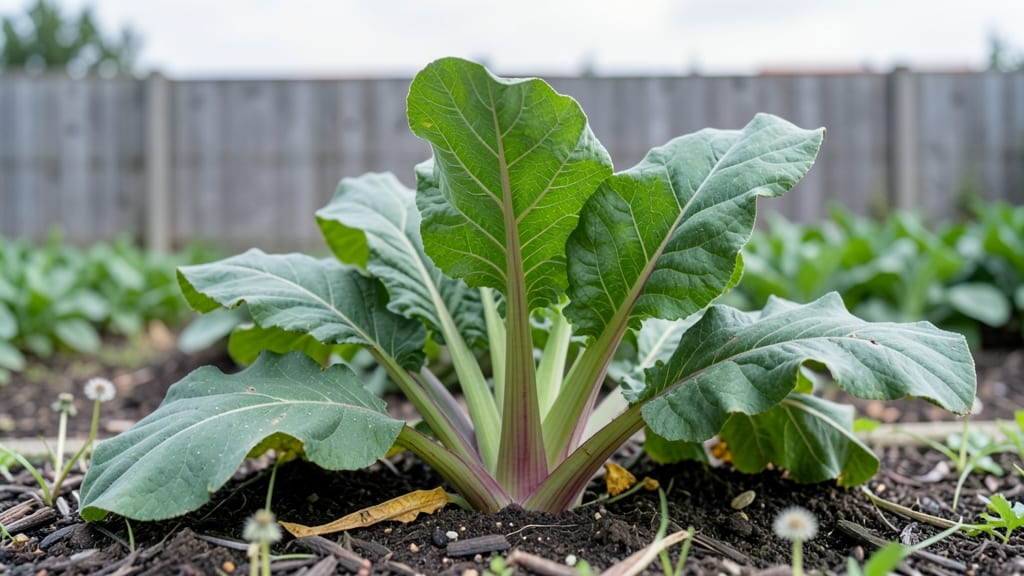
A large rhubarb plant starts with patience and the right cuts—literally. I’ve watched mine grow from a clump of sticks to a thriving, stalk-producing powerhouse, and the secret lies in how you prune it.
Most gardeners either hack it back too aggressively or leave it untouched, both of which backfire. The key is timing, technique, and knowing when to let it rest.
Rhubarb thrives in rich, well-draining soil with full sun, but its real magic happens in late winter when the ground is workable but not frozen. That’s when you make your first cuts—removing old stalks at the base while leaving the crown intact.
Skip this step, and you’ll end up with a plant that looks like a tangled mess by spring. I’ve seen firsthand how proper pruning turns a scraggly clump into a neat, productive machine by June.
By summer, your plant will reward you with bright pink stalks that keep coming if you maintain the balance. The goal is to harvest no more than a third of the stalks at a time, always cutting at the base to avoid damaging the crown.
Do this right, and you’ll enjoy fresh rhubarb from early spring through late fall—sometimes even into winter if you’re in a mild climate. The plant itself lives for decades with proper care, so these cuts aren’t just about this year’s harvest.
Fair warning: rhubarb hates soggy roots, so mulch well to keep moisture even. And if you’re in a hotter zone, shade cloth in peak summer prevents the stalks from turning bitter.
The payoff? A low-maintenance perennial that outproduces anything you’d buy at the store. Ready to turn those sticks into stalks?
📚 In This Guide
- What you need
- Instructions
- Tips and common mistakes
- Wrapping up and next steps
What you need
- ● Rhubarb crowns: 1-3 healthy, dormant crowns (choose organic or disease-free for best results).
- ● Well-draining soil: A mix of loamy soil with a pH of 5.5–6.5. Amend with compost or aged manure for fertility.
- ● Organic mulch: 2–3 inches of straw, wood chips, or shredded leaves to retain moisture and suppress weeds.
- ● Balanced fertilizer: 10-10-10 or 5-10-10 (apply sparingly—rhubarb is low-maintenance!).
- ● Watering can or hose: For deep, consistent watering (aim for 1–1.5 inches per week).
- ● Garden trowel or spade: For digging planting holes (6–8 inches deep).
- ● Pruning shears or sharp knife: For trimming stalks and removing dead foliage.
- ● Garden gloves: To protect your hands from thorns and rough stems.
- ● Measuring tape or ruler: To monitor plant height and spacing (keep crowns 2–3 feet apart).
- ○ Optional: Row cover or frost cloth: For early-season protection in cold climates.
- ● A sunny spot with at least 6 hours of direct sunlight daily.
- ● Patience! Rhubarb takes 2–3 years to reach full maturity and yield large stalks.
- ● Cold-hardy zone: Rhubarb thrives in USDA Zones 3–9 (it’s a tough plant!).
- ● Avoid over-fertilizing—too much nitrogen = leafy growth, fewer stalks!
Instructions for cultivating a large, productive rhubarb plant
Here's how to coax a healthy, long-lived rhubarb plant into yielding abundant harvests for years.
Select and Prepare the Planting Site
Rhubarb thrives in cool climates with rich, well-draining soil. Choose a location with partial shade—morning sun and afternoon shade work best—especially in hotter regions. The plant needs at least 4 feet of space in all directions to spread comfortably. Avoid planting where celery, beets, or other related plants grew recently, as they share diseases.
Before planting, loosen the soil to a depth of 12 inches and work in 2-3 inches of compost to improve fertility. Rhubarb roots grow deep, so amending the soil deeply ensures strong establishment. Test your soil pH—ideal levels fall between 6.0 and 6.8. If your soil is too acidic, add lime to adjust it gradually over a few months.
Plant Crowns at the Right Depth and Spacing
Plant rhubarb crowns in early spring or early fall, when temperatures are cool. Dig a hole 12-18 inches wide and deep—rhubarb’s thick roots need room to expand. Place the crown 1-2 inches below soil level, ensuring the top of the crown (where the stalks emerge) remains visible. Cover lightly with soil and water thoroughly to settle everything in place.
Space multiple plants 3-4 feet apart to prevent overcrowding, which leads to smaller stalks and increased disease risk. Mulch around the base with 2-3 inches of straw or shredded leaves to retain moisture, suppress weeds, and protect roots during winter. Avoid using fresh wood chips, as they can rob nitrogen from the soil.
Water Deeply and Consistently
Rhubarb plants need 1-2 inches of water per week, especially during the first growing season. Water deeply once or twice a week, allowing the soil to dry slightly between waterings. You’ll know it’s time to water when the top 1-2 inches of soil feel dry to the touch. Overwatering causes root rot, while underwatering stresses the plant and reduces harvest quality.
During hot, dry spells, increase watering frequency to every 3-4 days, but always check soil moisture before adding more. Avoid wetting the leaves when possible—water at the base of the plant to prevent fungal diseases like leaf spot. A drip irrigation system works best for consistent moisture without disturbing the plant.
Prune for Health and Productivity
Prune rhubarb correctly to encourage strong growth and prevent disease. In early spring, remove any dead or damaged leaves and stalks from the previous year. Cut back any flower stalks as soon as they appear—harvesting them reduces stress on the plant and prevents it from diverting energy to seed production, which weakens the crown.
After harvesting, trim stalks to 1-2 inches above the soil line to promote regrowth. Never remove more than one-third of the stalks in a single harvest, or you’ll exhaust the plant. In late fall, cut back all foliage to 2-3 inches above the ground to protect the crown during winter. This practice also reduces overwintering pests and diseases.
Fertilize and Monitor for Pests
Apply a balanced, slow-release fertilizer in early spring before new growth begins. Use a 10-10-10 or 5-10-10 formula at half strength to avoid overfeeding, which can lead to excessive leaf growth at the expense of stalks. Spread fertilizer 3-4 inches away from the crown and water it in thoroughly. Avoid high-nitrogen fertilizers, as they promote leafy growth over edible stalks.
Watch for common pests like aphids, slugs, and crown borers. Handpick aphids or spray with soapy water if infestations occur. Slugs can be deterred with copper tape around the base of the plant. If you notice chewed leaves or sawdust-like frass, inspect the crown for borers—remove affected stalks immediately and treat with neem oil if needed.
Tips & tricks for cultivating a large, productive rhubarb plant
These practical tips will help you avoid common pitfalls and maximize your rhubarb harvest for years to come.
Soil Preparation Secret: When amending the soil with compost in Step 1, don't just mix it in the top layer. Rhubarb roots grow deep, so work that 2-3 inches of compost down to the full 12-inch depth. I've seen plants with shallow amendments struggle after just two years—the deep preparation makes all the difference in establishing strong root systems. This is especially important if your native soil is heavy clay or sandy.
Planting Depth Matters: In Step 2, that 1-2 inch planting depth might seem small, but it's crucial. The crown needs to sit just below soil level so the emerging stalks aren't buried too deeply (which causes rot) or exposed (which leads to freezing damage). I've seen gardeners plant too shallow and end up with weak stalks that flop over. After planting, give the soil a gentle press around the crown to ensure good soil contact without compacting it.
Watering Wisdom: The 1-2 inches of water per week guideline in Step 3 is perfect, but timing matters just as much. Water in the morning so foliage has time to dry before evening. I've learned this the hard way—wet leaves overnight invite fungal diseases. Also consider using a moisture meter near your rhubarb to get precise readings rather than relying on the "feel" test, especially in clay soils where moisture can be misleading.
Pruning Precision: When you're cutting back flower stalks in Step 4, don't just snip at the base. Remove them completely from the crown area to prevent any regrowth. I've seen gardeners leave stubs, and those often regrow into weak stalks that compete with your harvest. For the late fall cutback, use clean, sharp pruners to make clean cuts at that 2-3 inch mark—this reduces entry points for pests and diseases over winter.
Pro Tips for Large Rhubarb Plant
- These practical tips will help you avoid common pitfalls and maximize your rhubarb harvest for years to come.
- Soil Preparation Secret: When amending the soil with compost in Step 1, don't just mix it in the top layer.
- Planting Depth Matters: In Step 2, that 1-2 inch planting depth might seem small, but it's crucial.
Frequently asked questions
Got questions about growing a large, productive rhubarb plant?
You’re not alone! Here are answers to the most common queries from gardeners looking to maximize their harvest.
How long does it take for a rhubarb plant to mature and produce?
A rhubarb plant typically takes 2–3 years to reach full maturity and start yielding abundant stalks. Patience pays off—once established, a healthy plant can thrive for decades with proper care! Avoid harvesting in the first year to encourage root growth.
Can I prune rhubarb in the fall, or should I wait until spring?
Fall pruning is optional but can help reduce disease risk. If you prune, cut stalks down to 2 inches above the ground after harvest. However, many gardeners prefer waiting until early spring (before new growth starts) to avoid winter damage.
How do I know if my rhubarb is safe to eat?
Only the stalks are edible—never consume the leaves, as they contain oxalic acid, which is toxic. Look for firm, vibrant stalks (red, green, or pink) with no signs of rot or pests. Harvest when stalks are 6–10 inches tall for the best flavor and texture.
What pests or diseases should I watch for in large rhubarb plants?
Common issues include:
- Japanese beetles (chew leaves)
- Rhubarb curculio (small weevils that damage stalks)
- Fungal diseases (like crown rot) from overwatering
- Viral infections (yellowing leaves, stunted growth)
Prevent problems with mulch, crop rotation, and neem oil sprays if needed.
Can I grow rhubarb in containers, or does it need a garden bed?
Rhubarb can thrive in containers, but it needs a large pot (at least 18 inches deep and wide) with well-draining soil. Choose a permanent home—rhubarb dislikes being transplanted. Containers work well in urban gardens but may require more frequent watering and winter protection.
Wrapping up and next steps
Growing a large rhubarb plant is a rewarding journey that yields delicious, homegrown harvests year after year—when you master the art of pruning! 🌱 With the right techniques, you’ll keep your plant healthy, boost productivity, and enjoy fresh tart-sweet stalks for pies, compotes, or smoothies.
Remember: timing, tools, and technique are your best friends.
Ready to take the next step? Start small: pick one pruning tip to practice this season, then gradually refine your skills. Before you know it, your rhubarb patch will be thriving—and your kitchen will be the talk of the neighborhood! 🍽️