
Pruning
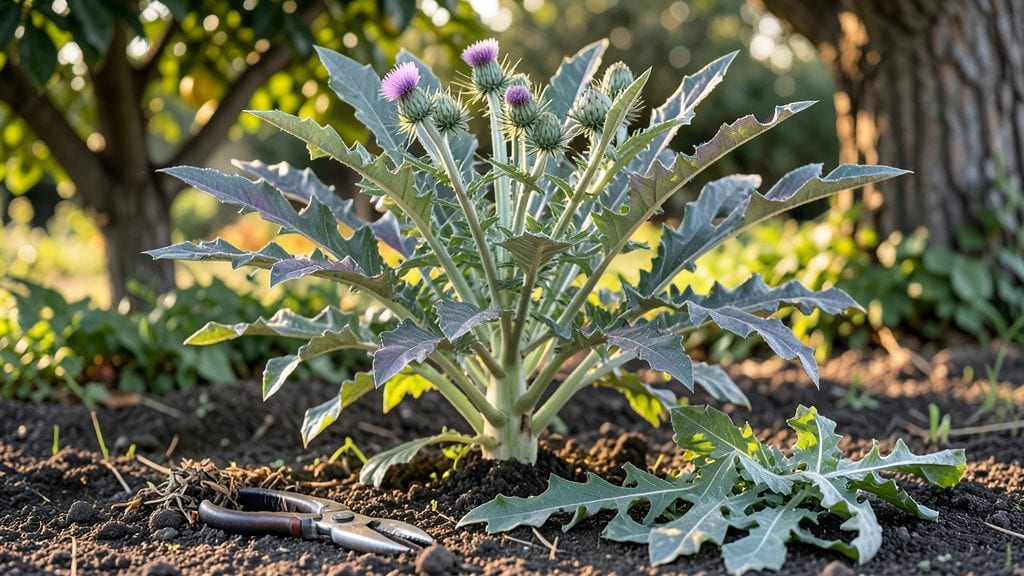
Trimming artichoke plants is the secret to turning one harvest into three—if you do it right. 🌱 I’ve watched my plants go from struggling to producing artichokes from spring through fall, all because I learned when and how to cut back.
The key isn’t just pruning; it’s timing it with the plant’s growth cycles so you never sacrifice next year’s crop for this year’s blooms.
You’ll need sharp pruners, a clean cutting board, and about 30 minutes every few weeks. Start by removing any dead or yellowing leaves first—those sap-suckers drain energy. Then, focus on side shoots: trim them back to just above a leaf joint when they’re about 6 inches tall.
This might sound counterintuitive, but it forces the plant to put all its energy into the main stems where the artichokes form.
What you’ll end up with is a bushier plant that keeps producing for months. The artichokes themselves stay larger and tighter, and the plant resists pests better because it’s not overcrowded.
My first attempt left me with a leggy mess, but after three seasons of trial and error, I’ve got a system that actually works—even for beginners who’ve killed houseplants before.
This method works for both globe and Roman artichokes, and it’s especially useful if you’re growing in containers or small spaces. The same principles apply whether you’re in Zone 7 or Zone 9, though you’ll adjust timing based on your first frost. Ready to turn pruning day into harvest day?
📚 In This Guide
- What you need
- Instructions
- Tips and common mistakes
- Wrapping up and next steps
What you need
- ● Sharp pruning shears or bypass pruners: A pair with clean, sharp blades (4–6 inches long) to make precise cuts without damaging stems. (1–2 pairs)
- ● Garden gloves: Heavy-duty, cut-resistant gloves to protect your hands from thorns and rough stems. (1 pair)
- ● Disinfectant (70% isopropyl alcohol or bleach solution): To sterilize tools between cuts and prevent disease spread.
- ● Compost bin or bag: For collecting trimmed foliage and stems.
- ○ Watering can or hose: To hydrate plants post-pruning (optional but helpful).
- ● Pruning saw: For thicker stems (if your artichoke plants are mature and woody).
- ○ Plant growth regulator (optional): Like seaweed extract or kelp meal to encourage bushier growth after trimming.
- ● Label markers: To tag trimmed sections if you’re experimenting with propagation.
- ● Knee pad or stool: For comfort if your plants are tall or sprawling.
How to trim artichoke plants for continuous harvests
Strategic pruning keeps artichokes productive and prevents overcrowding—here's my proven method.
✂️ Step 1: Identify and Remove Dead or Damaged Growth
Start by inspecting your plants for any brown, wilted, or broken stems. Artichokes are tough, but damaged growth drains energy from your buds. Use clean, sharp pruning shears to cut back any dead material at the base—never leave stubs longer than ½ inch. This also prevents pests from nesting in damaged areas.
Look for yellowing leaves or stems that feel mushy when touched. These are signs of disease or rot. Remove them immediately and discard in the trash (not compost) to prevent spreading. Healthy leaves should be deep green and firm to the touch. If you're unsure whether a stem is dead, scratch it with your fingernail—if it doesn't have green underneath, it's time to trim.
🌿 Step 2: Prune Side Shoots for Better Bud Formation
Artichoke plants produce buds along their main stems, but they also send out side shoots that compete for energy. Pinch off any side shoots that appear in the first 6-8 inches of growth using your fingers or small pruners. These early side shoots won't produce quality buds and divert resources from your main harvest.
Leave the main stem uncut until it reaches about 12 inches tall. At this point, you'll see small buds forming in the leaf axils (where leaves meet the stem). These are your future artichokes. Once buds form, stop pinching side shoots—let them grow naturally to support bud development. You'll know you're doing it right when you see 3-5 buds per plant maturing simultaneously.
✂️ Step 3: Harvest and Prune Mature Buds Strategically
Harvest artichokes when the buds are 3-5 inches in diameter and still tightly closed. Use a sharp knife to cut the stem about 1 inch below the bud—this prevents damage to the plant while allowing new growth to form below. Never pull buds off by hand, as this can tear the stem and invite rot.
After harvesting, inspect the stem for any remaining small buds. If they're under 2 inches, leave them—they won't mature into quality artichokes. However, if you see larger buds forming below the harvested one, let them grow. Prune only the harvested stem itself, cutting cleanly at a 45-degree angle to encourage water runoff and prevent rot. This method keeps your plant productive for 6-8 weeks per season.
🌱 Step 4: Thin Overcrowded Stems for Airflow and Light
Artichoke plants can get bushy, and too many stems compete for sunlight and nutrients. If your plant has more than 3-4 main stems, select the strongest, healthiest ones and prune the rest at the base. Focus on stems that are thick, upright, and disease-free—these will yield the best buds.
Thinning improves airflow, which reduces humidity around the plant and prevents fungal diseases like powdery mildew. You'll notice a difference within 7-10 days: the remaining stems will thicken, and new buds will form more quickly. Avoid pruning during extreme heat or cold—wait for mild, overcast days to minimize stress on the plant.
⏰ Step 5: Prepare for Dormancy and Winter Pruning
As temperatures drop below 50°F, artichoke plants slow down. In late fall, cut back any remaining stems to 6 inches above the ground. This reduces winter dieback and makes it easier to spot new growth in spring. Remove all dead leaves and debris from the base to prevent pests from overwintering.
In early spring, before new growth appears, apply a 2-inch layer of mulch around the base (if using the optional mulch from your supplies). This protects roots from temperature swings and retains moisture. You'll see fresh shoots emerge within 2-3 weeks—this is your signal to resume regular pruning and harvesting.
Tips & tricks for perfect artichoke plant trimming
These strategic pruning tips will help you maximize your artichoke harvest and keep your plants thriving all season long.
The Heat Factor: Never prune during extreme heat or cold—stick to mild, overcast days when temperatures are between 50°F and 75°F. Pruning in hot conditions stresses plants and can invite pests, while cold temperatures slow healing. I've learned this the hard way after seeing plants wilt from midday pruning in summer heat.
Tool Technique: Always use clean, sharp pruning shears for Step 1 and Step 3 cuts. Dull blades crush stems and create jagged edges that invite disease. I keep a small bottle of rubbing alcohol handy to wipe down shears between cuts—this prevents cross-contamination between plants. For side shoots in Step 2, your fingernails work perfectly for pinching.
Visual Cues for Harvesting: When harvesting in Step 3, look for buds that are 3-5 inches wide with tightly closed scales. The top scales should still be tightly packed like a closed fist. If you see any fuzzy purple florets peeking out, you've waited too long—the artichoke will be tough and bitter. I check buds every 2-3 days during peak season to catch them at the perfect moment.
Make-Ahead Strategy: You can prune and harvest up to 3-4 days in advance if storing in the refrigerator. Place harvested artichokes in a paper bag in the crisper drawer—they'll stay fresh longer. For long-term storage, wrap stems in damp paper towels and refrigerate for up to 2 weeks. This gives you flexibility while maintaining quality for your recipes.
Pro Tips for Trimming Artichoke Plants
- These strategic pruning tips will help you maximize your artichoke harvest and keep your plants thriving all season long.
- The Heat Factor: Never prune during extreme heat or cold—stick to mild, overcast days when temperatures are between 50°F and 75°F.
- Tool Technique: Always use clean, sharp pruning shears for Step 1 and Step 3 cuts.
Frequently asked questions
Got questions about trimming your artichoke plants? You’re not alone! Here are answers to the most common concerns—whether you’re a first-timer or a seasoned gardener looking to maximize your harvest.
When is the best time to trim artichoke plants?
Trim artichoke plants after harvesting the main bud (the "heart") to encourage new growth. For globe artichokes, prune in early spring (before new shoots emerge) or after harvest in late spring/early summer. Avoid heavy trimming in fall—focus on cleaning up dead foliage to prep for winter.
How much should I cut back my artichoke plants?
For globe artichokes, cut back 1/3 to 1/2 of the plant’s height after harvest, leaving 6–8 inches of stem. For Cynara cardunculus (salsify-type), trim aggressively to the ground in early spring to stimulate new shoots. Never remove more than 50% of the plant at once—this stresses the roots!
What if my artichoke plant stops producing after trimming?
If your plant seems sluggish post-trim, check for over-pruning or nutrient deficiency. Feed with a balanced fertilizer (10-10-10) and water deeply. Avoid trimming in extreme heat—wait for cooler mornings. Most plants bounce back in 2–4 weeks if conditions are right!
Can I use trimmings for propagation?
Yes! Healthy stems with at least 2–3 nodes can be rooted in water or soil. Dip cuttings in rooting hormone for faster success. Globe artichokes root best in spring or early summer. Avoid using trimmings from diseased or pest-ridden plants—start fresh instead.
What’s the deal with trimming in cold climates?
In zones 7 and below, trim only dead or diseased foliage in fall. Mulch heavily (4–6 inches) to protect roots. Wait until spring (after last frost) to prune for new growth. Artichokes are tender perennials—don’t rush winter cuts!
Wrapping up and next steps
Trimming your artichoke plants isn’t just about keeping them tidy—it’s the secret to a bountiful, year-round harvest! 🌱 By mastering the art of strategic pruning, you’ll encourage healthier growth, prevent disease, and enjoy fresh, tender artichokes well beyond the typical season.
Whether you’re a seasoned gardener or just starting, every snip brings you closer to a thriving garden.
Ready to put your new skills to the test? Grab your pruners and head to the garden—your next harvest is waiting! 🌟 For extra tips, bookmark this guide or jot down your progress in a gardening journal. Happy trimming!