Planting
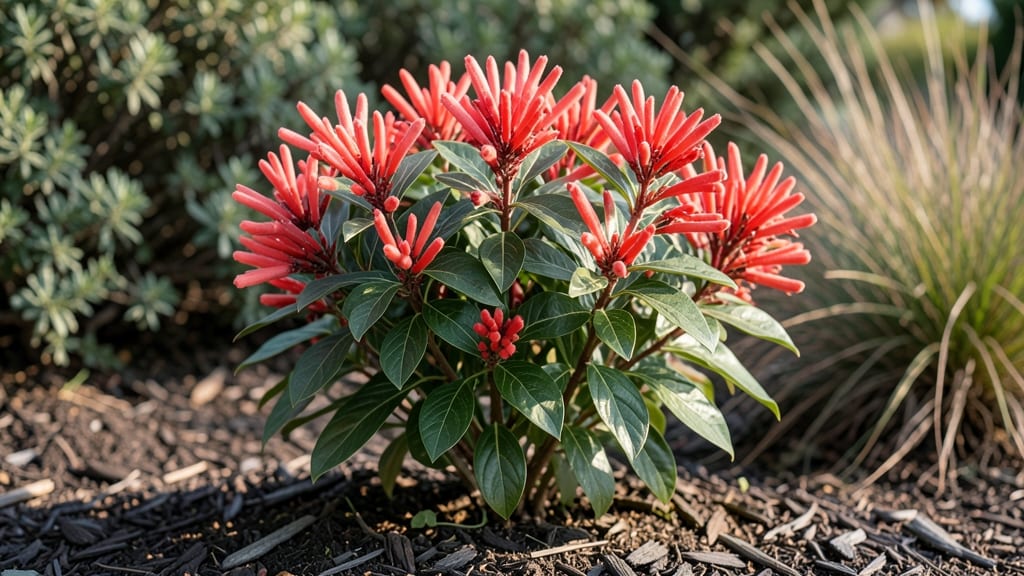
Growing a shrimp plant bush (Coleus scutellarioides) turns your garden into a living rainbow—its neon foliage pops like a neon sign in any setting. I’ve grown this plant for years, and its bold colors never fail to brighten up my patio or indoor spaces.
The secret to keeping it vibrant? Pruning it back every few months so it stays bushy and full of those eye-catching leaves.
This plant thrives in bright, indirect light but can handle some direct sun, especially in cooler climates. It’s not fussy about soil either—just make sure it drains well, and you’re golden. Water when the top inch feels dry, and avoid letting it sit in soggy soil.
The best part? It grows quickly, so you can propagate new plants from cuttings in just a few weeks.
With the right care, your shrimp plant bush will reward you with lush, colorful growth all year round. Use it as a striking container plant, a border along walkways, or even as a hanging display—its versatility makes it a garden workhorse.
Once you see how easy it is to keep happy, you’ll want one (or three) in every corner of your space.
Fair warning: It’s addictive. Start with one, and soon you’ll be collecting different varieties to mix and match. The key is regular pruning to encourage bushier growth and prevent legginess. Trust me, your garden will thank you for the splash of color.
📚 In This Guide
- What you need
- Instructions
- Tips and common mistakes
- Wrapping up and next steps
What you need
- ● Shrimp bush plant (justicia brandegeana) – 1-2 young plants (3-6 inches tall) or seeds (if starting from scratch).
- ● Well-draining potting mix – 5-10 gallons, depending on pot size (use a mix of 60% peat moss, 30% perlite, and 10% compost).
- ● Containers or garden bed – 12-18 inch deep pots (with drainage holes) or a sunny garden plot with loose soil.
- ● Slow-release fertilizer – 1-2 cups of organic, balanced (10-10-10) fertilizer for planting.
- ● Pruning shears or scissors – Sharp, clean tools for trimming (sterilize with rubbing alcohol).
- ○ Support structure (optional but helpful) – Small stakes or trellis for climbing varieties.
- ● Watering can or hose with gentle spray – For consistent moisture (avoid soggy soil!).
- ○ Gloves (optional) – To protect hands from thorns or soil.
- ● Sunlight access – Full sun (6+ hours/day) or partial shade (for hot climates).
- ○ pH test kit (optional) – Ideal soil pH: 6.0–7.0 (slightly acidic to neutral).
- ○ Mulch (optional) – Straw or wood chips to retain moisture and suppress weeds.
Step-by-step instructions for cultivating a shrimp plant bush
Here's how to grow a lush, productive shrimp plant bush that delivers year-round harvests.
Choose the Right Location and Plant Your Starter
Shrimp plant thrives in bright, indirect light—think east or west-facing windows, or under grow lights if indoors. Avoid harsh midday sun, which can scorch the leaves. I always start with a healthy 4-inch starter plant from a nursery, ensuring it has plump, green leaves and no signs of yellowing or pests.
Fill a 12-inch diameter pot with well-draining potting mix (never garden soil—it compacts too easily). Make a hole in the center twice as wide as the root ball and gently remove the plant from its nursery container. Place it in the hole, then cover the roots with soil, pressing lightly to eliminate air pockets. Water thoroughly until moisture drains from the bottom holes.
Water and Fertilize for Healthy Growth
Keep the soil evenly moist but never soggy—shrimp plant roots rot quickly in waterlogged conditions. I water when the top inch of soil feels dry to the touch, typically every 3-4 days in warm weather and every 5-7 days in cooler months. Always water at the base to avoid wetting the leaves, which can lead to fungal issues.
Feed your shrimp plant every 4-6 weeks with a balanced liquid fertilizer (10-10-10 or 20-20-20). Dilute it to half-strength to avoid burning the roots. You'll see new growth within 2-3 weeks of fertilizing—look for bright green leaves and sturdy stems. If the leaves yellow, it’s a sign of overwatering or excessive fertilizer.
Prune for Bushier Growth and Harvest
Pruning is key to keeping your shrimp plant bushy and productive. Once the plant reaches 6-8 inches tall, pinch off the top set of leaves to encourage branching. Repeat this every 4-6 weeks to maintain a full, rounded shape. You’ll notice new side shoots forming within 2-3 weeks—these are where future harvests come from.
Harvest shrimp pods when they’re firm and bright green, usually 4-6 weeks after flowering. Use clean scissors to snip the pods at the stem. Never pull them off—this can damage the plant. After harvesting, give the plant a light trim to remove any dead or yellowing leaves, which helps redirect energy to new growth.
Overwinter for Year-Round Productivity
As temperatures drop below 50°F, move your shrimp plant indoors to a sunny window or under grow lights. Reduce watering to every 7-10 days, letting the soil dry out slightly between waterings. Fertilize once every 8-10 weeks during this period—less is more in cooler months.
Prune lightly in late winter to remove any weak or leggy growth. This encourages fresh, vigorous shoots when you move the plant back outdoors in spring. With consistent care, your shrimp plant will keep producing year after year, giving you a steady supply of flavorful pods.
Tips & tricks for perfect shrimp plant bush cultivation
A few key insights will help you avoid common pitfalls and maximize your shrimp plant's productivity.
Lighting Strategy: If you're using grow lights, position them about 6-12 inches above the plant and keep them on for 12-14 hours daily. Shrimp plants need consistent light—if leaves start stretching toward the light or develop pale yellow patches, you're either not getting enough light or too much direct sun. Rotate your plant weekly to ensure even growth on all sides.
Pot Selection Tip: While the instructions call for a 12-inch diameter pot, you can upgrade to a 14-16 inch container if you plan to keep your plant long-term. Larger pots provide more stability and allow for better root development, which translates to bigger harvests. Just make sure the pot has drainage holes—shrimp plants hate soggy roots.
Fertilizer Timing: The 4-6 week feeding schedule works perfectly, but here's the secret: split your fertilizer dose into two applications. Give half in early spring (when new growth starts) and the second half in early summer. This mimics natural growing cycles and prevents nutrient burn. Also, flush the soil with plain water every 3-4 months to prevent salt buildup from fertilizers.
Pruning Precision: When pinching back the top set of leaves at 6-8 inches, make your cut just above a set of leaves where you want new growth to emerge. This encourages branching at that exact point. For a fuller bush, you can do a second pinch 2-3 weeks later on the new side shoots—just be patient and let those new branches establish before pruning again.
Pro Tips for Shrimp Bush Plant
- A few key insights will help you avoid common pitfalls and maximize your shrimp plant's productivity.
- Lighting Strategy: If you're using grow lights, position them about 6-12 inches above the plant and keep them on for ...
- Pot Selection Tip: While the instructions call for a 12-inch diameter pot, you can upgrade to a 14-16 inch container ...
Frequently asked questions
Got questions about keeping your shrimp plant bush thriving? You’re not alone! Here are some of the most common queries—plus quick answers to help you grow like a pro.
How often should I prune my shrimp plant bush for the best harvest?
Prune your shrimp plant bush every 4–6 weeks during active growth (spring to fall). Focus on trimming just above a leaf node to encourage bushier, more productive growth. In winter, reduce pruning to once every 2–3 months or skip it entirely if growth slows. Pro tip: Always use clean, sharp shears to avoid disease!
When is the best time to harvest shrimp plant leaves?
Harvest leaves when they’re fully mature but still tender—usually 6–8 weeks after planting or when they reach 3–5 inches long. For year-round harvests, pick younger leaves first to stimulate new growth. Avoid harvesting more than 1/3 of the plant at once to prevent stress. Bonus: Morning harvests yield the freshest flavor!
Can I grow shrimp plant bush indoors? What do I need?
Shrimp plant thrives indoors with bright, indirect light (a south- or west-facing window works best). Use a well-draining pot (12+ inches deep) and fertile soil (mix garden soil with compost). Keep humidity high (a pebble tray helps) and maintain 60–75°F temperatures. LED grow lights (12–14 hours/day) are a game-changer if natural light is limited.
Why are my shrimp plant leaves turning yellow or wilted?
Yellow leaves often signal overwatering or poor drainage. Let the top 1–2 inches of soil dry out between waterings. Wilting can mean underwatering or root stress—check for pests like aphids or spider mites (spray with neem oil if needed). Brown edges? It’s likely low humidity or fluoride buildup from tap water. Use filtered water to prevent this!
Are there any alternatives to shrimp plant for similar flavors?
If you’re craving that peppery, shrimp-like kick, try these substitutes:
- Okra leaves – Mildly tangy, great in soups.
- Purslane – Earthy and slightly salty.
- Water spinach (kong choy) – Similar texture, milder taste.
- Chaya leaves – Nutty and slightly fishy (if you can find it!).
Wrapping up and next steps
The shrimp plant bush is a rewarding addition to any garden, offering year-round harvests with minimal effort once you master pruning precision. By following the right techniques—like strategic trimming, proper spacing, and seasonal care—you’ll enjoy lush foliage and a steady supply of flavorful shrimp beans.
Whether you're a beginner or a seasoned gardener, this plant proves that consistency and patience pay off big time!
Ready to take the next step? Start small—plant a few bushes, experiment with pruning, and watch your harvest grow. Happy gardening! 🌱✨