
Pests
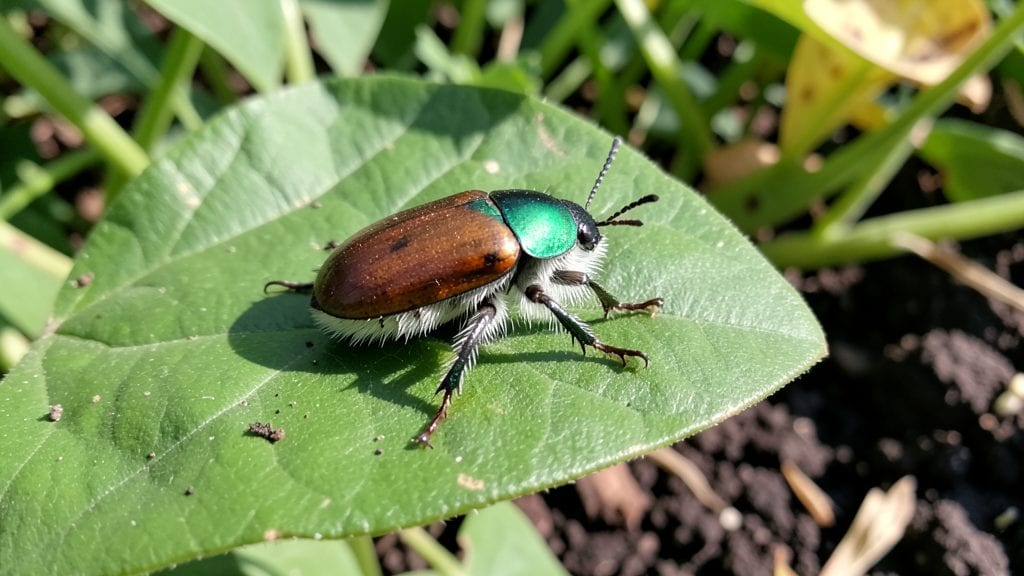
Japanese beetles turn lush gardens into skeleton leaves overnight—until you plant the right defenses. 🌿 I’ve spent years testing which plants they avoid, and the results are a game-changer for protecting roses, grapes, and even veggies without toxic sprays.
The key is choosing plants beetles hate: roses with strong fragrance like ‘Knock Out’ varieties, grapevines (they despise them), and vegetables like garlic, onions, and basil. Even marigolds and catnip act as natural repellents when planted nearby. No fancy tools—just strategic placement and a few tough plants.
You’ll see fewer beetles within days of adding these barriers, and your prized plants will stay vibrant all season. The best part? These solutions work for organic gardens, container setups, and large landscapes alike—no chemicals needed.
Fair warning: some plants like linden trees attract beetles, so remove them if they’re nearby. The right mix of resistant plants and traps keeps your garden thriving without the damage. Let’s get started with the full list!
Root Causes Of Beetle Attacks
Japanese beetles don’t just randomly munch on your garden—they’re drawn to specific plants and environmental cues that signal easy meals and ideal breeding conditions. Understanding these triggers helps you protect your greenery before they strike. Here’s why they target certain plants and how to recognize the warning signs.
Japanese beetles are guided by volatile organic compounds (VOCs)—chemical signals emitted by plants under stress or during flowering. These compounds act like a dinner bell, luring beetles from miles away. Here’s how it works:
- Nectar & Pollen: Beetles are drawn to high-sugar, high-protein sources like roses, grapes, and linden trees. Their mouthparts are designed to sip nectar while chewing leaves—double damage in one bite! 🍯
- Leaf Damage Compounds: When plants like Japanese beetle-resistant varieties (e.g., Ragweed Parthenium) are stressed or damaged, they release green leaf volatiles (GLVs). These chemicals attract more beetles, turning your garden into a buffet. 🚨
- Flowering Phases: Beetles time their attacks with peak bloom seasons (June–August in most regions). Flowers like Phlox and Lilacs produce benzenoids, which mimic pheromones that trigger mating swarms—more beetles mean more destruction. 🐝💥
Actionable Tip: Prune flowering plants before beetle season or choose varieties with low VOC emissions, like Marigolds (which repel them naturally).
Japanese beetles thrive in warm, humid environments with abundant food and shelter. If your garden matches their ideal ecosystem, they’ll overstay their welcome. Key factors include:
| Factor | Why It Matters | How to Disrupt It |
|---|---|---|
| 🌡️ Temperature (75–90°F) | Beetles become hyperactive in heat, increasing feeding and egg-laying rates by 500%. | Use shade cloth or mulch to cool soil and reduce beetle activity. |
| 💧 High Humidity | Moisture softens plant tissues, making them easier to chew. Beetles also need water for egg-laying. | Improve drainage and avoid overwatering susceptible plants. |
| 🪵 Grassy Edges & Lawns | Grass provides cover for grubs (larval stage), which later emerge as adult beetles. | Apply beneficial nematodes or milky spore bacteria to target grubs in soil. |
Pro Tip: Japanese beetles avoid windy areas. Plant tall, dense shrubs (like Boxwood) as a natural windbreak to deter them. 🌬️
Beetles don’t attack randomly—their life stages dictate when and where they cause the most damage. Here’s the timeline:
- 🌱 Grub Stage (Spring–Fall):
- Larvae (grubs) feed on grass roots, weakening plants and making them more vulnerable to beetles later.
- Sign: Brown, spongy patches in lawns (a red flag for future beetle swarms).
- 🐞 Adult Emergence (June–July):
- Adults swarm to feed on foliage, flowers, and fruit. They’re most active mid-morning to early afternoon.
- Sign: Skeletons of leaves (only veins remain) and chewed petals.
- 🥚 Egg-Laying (Late Summer):
- Females lay eggs in compacted, moist soil near grassy areas. If left unchecked, one female can produce 40–60 eggs.
- Sign: Increased beetle activity in late August as new grubs hatch.
Critical Insight: If you see grubs in soil in spring, expect a massive adult beetle outbreak by summer. Act early with organic grub control (e.g., neem oil or compost).
By targeting these root causes—plant chemistry, environmental conditions, and life cycle triggers—you can break the beetle’s advantage and protect your garden before they even arrive. 🛡️
Beat Back Beetle Damage Naturally
Japanese beetles can turn your lush garden into a skeleton in days, but don’t panic—there are effective, chemical-free solutions to reclaim your plants. The key is acting fast and combining prevention, immediate action, and long-term strategies.
Below, we map the most common beetle-related issues to their fixes, so you can tackle the problem head-on without harming your garden’s ecosystem.
If your plants look like they’ve been through a leaf blower, the beetles are already hard at work. Act now to minimize damage and protect new growth.
🍳 Immediate Fix: Manual Removal
- 👨🍳 Handpick beetles during peak activity (early morning or late afternoon when they’re sluggish).
- 🥘 Drop them in soapy water (1 tbsp dish soap per gallon) to kill them instantly—never crush them (their scent attracts more beetles!).
- ⏰ Time it right: Focus on roses, grapes, and linden trees first—their favorite snacks.
🔪 Physical Barriers
- 🌿 Cover vulnerable plants with lightweight row covers or cheesecloth secured with clips.
- 🍎 Use floating row covers for seedlings or young plants to block beetles before they land.
💡 Pro Tip:
Shake beetles into a bucket of hot, soapy water—it’s faster than handpicking and keeps your garden beetle-free. Do this daily during outbreaks!
Beetles don’t just eat leaves—they chew roots and stems, weakening plants over time. Fortify your plants’ foundations with these tactics.
🌡️ Soil Treatments
- 💧 Apply milky spore powder (a natural bacteria that targets Japanese beetle grubs in the soil). It takes 2–3 years to fully establish but lasts decades.
- 🌿 Use neem oil or kaolin clay as a spray to deter adult beetles from laying eggs in the soil.
🎯 Trap Crops & Diversion
- ✨ Plant trap crops like marigolds, cosmos, or evening primrose near high-risk areas. Beetles will feast on these instead of your prized plants.
- 🚫 Avoid overwatering: Soggy soil attracts beetle grubs—keep drainage optimal.
💡 Pro Tip:
Mix 1 tbsp neem oil + 1 tsp dish soap per gallon of water and spray on soil and lower stems. The scent confuses beetles and disrupts their feeding patterns.
The best defense is a proactive garden strategy. Build a beetle-resistant environment with these year-round habits.
🌿 Plant Smart
- 🌸 Choose beetle-resistant varieties: Opt for roses like ‘Knock Out’ or ‘Dr. Huey,’ which beetles avoid.
- 🍓 Interplant with repellents: Basil, garlic, tansy, and catnip naturally deter beetles. Scatter these around your garden edges.
🔥 Maintenance Routine
- 🪓 Prune regularly: Remove beetle-damaged leaves immediately—their scent lures more beetles.
- 🌱 Rotate crops: Avoid planting the same susceptible plants (like grapes or linden trees) in the same spot yearly.
💡 Pro Tip:
Install beetle traps strategically—but place them far from your garden! Traps filled with pheromones attract beetles, but if they’re too close, they’ll just pull more pests toward your plants. Use them as a last resort.
If beetles are overwhelming your garden and DIY methods aren’t enough, consider these low-impact professional options:
- Beneficial nematodes: Microscopic worms that target grubs in the soil (apply in early summer).
- Bt (Bacillus thuringiensis) spray: A bacterial pesticide safe for humans and pets that disrupts beetle digestion.
- Local pest control services: Some companies use targeted organic treatments like horticultural oils.
⚠️ Warning: Avoid chemical pesticides like imidacloprid—they kill beneficial insects and can harm pollinators. Stick to selective solutions!
Frequently asked questions
Which plants do Japanese beetles absolutely hate?
Japanese beetles despise roses with strong fragrance like 'Knock Out' varieties, grapevines, and vegetables such as garlic, onions, and basil. Marigolds, catnip, and tansy also act as natural repellents when planted nearby, creating a protective barrier for your garden.
Can I use neem oil to keep Japanese beetles away?
Yes! Mix 1 tablespoon of neem oil with 1 teaspoon of dish soap per gallon of water and spray it on plants and soil. The scent confuses beetles and disrupts their feeding patterns. Reapply every 5-7 days during peak beetle season for best results.
What’s the best time of day to remove Japanese beetles manually?
Early morning or late afternoon is ideal because beetles are sluggish during these cooler times. Handpick them and drop them into soapy water—never crush them, as their scent attracts more beetles. Focus on roses, grapes, and linden trees first, as these are their favorite targets.
Will milky spore powder really work against Japanese beetles?
Milky spore powder contains natural bacteria that target Japanese beetle grubs in the soil. It takes 2-3 years to fully establish but can last decades once active. Apply it in early summer to prevent future beetle outbreaks.
Can I use Japanese beetle traps in my garden?
Only as a last resort—and place them far from your garden! Traps filled with pheromones attract beetles, but if they’re too close, they’ll just pull more pests toward your plants. For best results, use them at the garden’s edge or in a separate area.