
How To
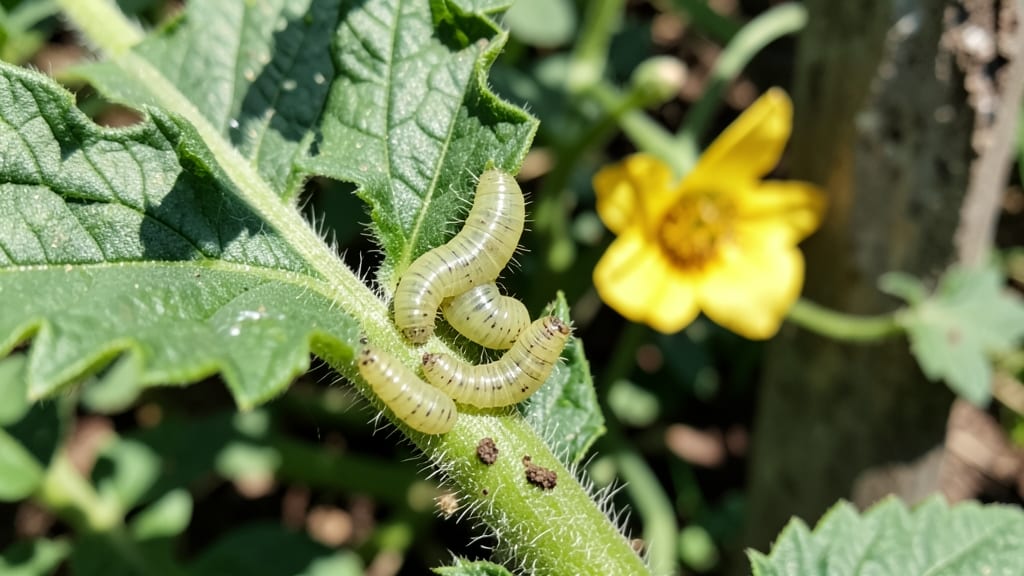
Worms on tomato plants turn your harvest into a battleground—those striped caterpillars and squiggly grubs can devour leaves overnight. I’ve battled them in my garden for years, and I’ve learned which sprays actually work within a day, not weeks.
The key is acting fast with the right mix of organic sprays and manual removal before the damage spreads.
Most gardeners panic when they spot hornworms or cutworms, but the solution isn’t complicated: a homemade spray of neem oil and water disrupts their feeding cycle within hours. You’ll also need a flashlight for nighttime hunts—those cutworms hide under leaves during the day.
The best part? These methods are safe for your plants and won’t leave harmful residues on your tomatoes.
By morning, you’ll see fewer worms crawling on your plants, and new growth will start pushing out without gaps. The secret is consistency: reapply sprays every 3-4 days until the worms disappear. Plus, you’ll learn how to prevent future invasions with simple garden habits that keep pests away naturally.
Whether you’re dealing with surface-dwelling caterpillars or underground nematodes, this approach works for all types of tomato worms. Let’s get your plants back to thriving—and your harvest back on track.
Root Causes of Tomato Plant Worms
Tomato plants can fall prey to worms and larvae for a variety of reasons, often tied to environmental conditions, poor garden hygiene, or natural pest life cycles.
Understanding these triggers is the first step to preventing—and eliminating—these unwelcome visitors. Below, we break down the most common causes, explained in clear, actionable terms.
Worms, especially root-knot nematodes and cutworms, thrive in soil rich in decaying organic material. When tomato plants are grown in poorly drained or overly fertile soil, the conditions become a buffet for pests.
- Why it happens: Organic debris (like old leaves, compost, or mulch) attracts microbial life, which in turn draws worms seeking food.
Overwatered soil can also create anaerobic pockets where larvae survive and multiply. - Actionable insight: Test your soil’s pH and nutrient levels—ideal tomato soil should be slightly acidic (pH 6.0–6.8) and well-draining. Avoid over-mulching near the base of plants, as thick layers trap moisture and encourage pest activity.
Tomatoes need space to breathe—not just for airflow, but to prevent pests from spreading easily between plants. When plants are too close together, worms and larvae can move freely from one host to another.
- Why it happens: Dense foliage creates microclimates with high humidity, perfect for worm eggs to hatch and larvae to thrive.
Cutworms, for example, will chew through stems at the soil line if plants are packed tightly. - Actionable insight: Space tomato plants 18–24 inches apart in rows 3–4 feet apart. This reduces humidity at ground level and makes it easier to spot (and remove) pests early.
Nature’s pest control—like ladybugs, ground beetles, and parasitic wasps—often keeps worm populations in check. When these natural allies are absent, worm infestations spiral out of control.
- Why it happens: Monoculture gardening (planting only tomatoes in a bed) or using broad-spectrum pesticides kills both pests and their predators. Chemical sprays disrupt the ecosystem balance, leaving worms unchecked. - Actionable insight: Encourage biodiversity by planting companion crops (e.g., basil, marigolds, or nasturtiums) near tomatoes.
These attract beneficial insects and mask tomato scents that lure pests.
Worms and larvae are drawn to moist, damp conditions. Overhead watering or inconsistent irrigation can create the perfect breeding ground for soil-dwelling pests.
- Why it happens: - Overhead watering splashes worm eggs onto leaves, where they hatch into hungry caterpillars (e.g., tomato hornworms). - Poor drainage keeps soil soggy, ideal for root-knot nematodes and cutworms. - Actionable insight: Water at the base of plants in the early morning to allow foliage to dry quickly.
Use drip irrigation or soaker hoses to minimize moisture on leaves. Ensure raised beds or containers have drainage holes.
Healthy plants are more resilient to pests. When tomatoes are stressed by drought, nutrient deficiencies, or disease, they become easier targets for worms feeding on weakened tissue.
- Why it happens: Stressed plants produce less alkaloids (natural chemical defenses), making them more palatable to pests like hornworms.
Yellowing leaves or stunted growth signal vulnerability. - Actionable insight: Keep plants consistently hydrated (1–1.5 inches of water per week) and fertilize with a balanced, organic fertilizer (e.g., 5-5-5 or compost tea) to boost immunity. Prune lower leaves to improve airflow and reduce hiding spots for pests.
Many tomato worms have specific life stages tied to temperature and humidity. For example:
- Tomato hornworms peak in late spring to early summer when nights are warm.
- Cutworms are most active in cool, damp evenings.
- Root-knot nematodes thrive in warm soil (above 75°F).
- Why it happens: If you plant tomatoes at the wrong time or ignore seasonal pest patterns, you’re essentially rolling out the welcome mat for an infestation. - Actionable insight: Monitor local pest cycles and rotate crops annually to disrupt worm life cycles.
Avoid planting tomatoes in the same spot for 3–4 years to break nematode cycles.
Worms can hitch a ride on garden tools, containers, or nursery-bought seedlings, introducing them to your tomato patch before you even notice.
- Why it happens: Nematode eggs or cutworm larvae can cling to shovels, pruners, or pots from previous plantings. Infested transplants may already host hidden pests. - Actionable insight: Disinfect tools with a 10% bleach solution (1 part bleach to 9 parts water) between uses.
Inspect nursery plants for chewed leaves or small holes before transplanting.
Worms on tomato plants rarely appear out of nowhere—they’re the result of environmental cues, gardening habits, or ecological imbalances. By addressing these root causes, you’ll not only eliminate current infestations faster but also deter future ones naturally.
The key? Healthy soil, smart spacing, and a little pest detective work. 🕵️♂️
Effective Fixes for Worm-Infested Tomatoes
Now that you know why worms are attacking your tomato plants, it’s time to take action! The good news? You don’t need harsh chemicals to save your harvest. Below are targeted, natural solutions tailored to the most common causes—plus prevention tips to keep your plants worm-free for good.
If your tomatoes are struggling due to poor spacing, overgrowth, or nutrient deficiency, worms see them as easy prey. Boost their resilience with these steps:
- 🌱 Prune aggressively Remove yellowing or damaged leaves (worms love hiding there!). Trim suckers and overgrown branches to improve airflow—this makes the plant less appealing to pests and dries out moisture where worms thrive.
- 💪 Feed with compost tea or fish emulsion A quick nutrient boost helps plants recover. Mix 1 tablespoon of compost tea per gallon of water and spray on soil and leaves. For faster results, use fish emulsion (1-2 tbsp per gallon)—it’s packed with nitrogen and repels soft-bodied pests.
- 🌿 Mulch with straw or grass clippings A 2–3 inch layer of organic mulch smothers worm eggs and keeps soil moist (but not soggy). Avoid fresh manure—it attracts worms!
✨ Pro Tip: Add a handful of crushed eggshells around the base of the plant. The sharp edges deter worms from crawling up the stem!
Worms lay eggs in damp, shaded soil. To stop the next generation, disrupt their habitat with these methods:
- 🔪 Handpick eggs and larvae Wear gloves and inspect the undersides of leaves, stems, and soil surface for tiny white eggs or greenish larvae. Drop them into soapy water to kill them instantly.
- 🌡️ Solarize the soil (best for severe infestations) On a sunny day, water the soil thoroughly, then cover it with clear plastic sheeting for 4–6 weeks. The trapped heat (up to 140°F) kills eggs and larvae. Best done in late spring or early fall.
- 🦋 Introduce beneficial nematodes Tiny heterorhabditis bacteriophora nematodes hunt worm larvae in the soil. Mix 1–2 pounds per 100 sq ft with water and apply to moist soil in the early evening (they avoid sunlight).
💡 Quick Fix: Sprinkle diatomaceous earth (food-grade) around the base of plants. It’s a natural abrasive that dehydrates worm eggs—reapply after rain.
If you spot hornworms, cutworms, or loopers munching on your tomatoes, act fast with these non-toxic traps and barriers:
- 🥘 Set up beer traps for cutworms Bury a small plastic cup (like a solo cup) in the soil near the plant, filled with beer or yeast water. Cutworms are drawn in and drown. Refresh every 2–3 days.
- 🕷️ Hang yellow sticky traps Worms are attracted to yellow. Place sticky traps near the plant to catch flying adults (like tomato fruitworms). Replace weekly.
- 🧢 Use row covers or collars For hornworms, drape floating row covers over seedlings or wrap cardboard collars around stems. Secure with clips to block access.
🎯 Prevention Hack: Plant basil, marigolds, or dill nearby—these repel worms with their strong scents!
If worms are actively devouring your tomatoes, these sprays work in 24 hours without harming beneficial insects:
| Spray | How to Use | Why It Works |
|---|---|---|
| Neem Oil | Mix 1 tbsp neem oil + 1 tsp mild soap + 1 quart water. Spray evening/dawn. | Disrupts worm feeding and egg-laying. |
| Garlic & Chili Pepper Spray | Blend 4 garlic cloves + 1 tbsp cayenne + 1 quart water. Strain and spray. | Worms hate the spicy scent—repels instantly. |
| Soap Spray | Dissolve 1 tbsp castile soap in 1 quart water. Spray directly on worms. | Suffocates soft-bodied pests on contact. |
⚠️ Warning: Always test sprays on a small leaf first—some plants (like peppers) are sensitive to soap.
The best defense is a strong, healthy plant that worms aren’t interested in. Follow these year-round tips:
- 🌿 Rotate crops – Never plant tomatoes in the same spot two years in a row (worms target familiar hosts).
- 🌞 Plant in full sun – Worms thrive in shady, damp areas; give tomatoes 6–8 hours of sunlight daily.
- 🐛 Encourage natural predators – Attract birds, lacewings, and parasitic wasps by adding a small water dish or native plants like alyssum.
- 🍅 Choose resistant varieties – Try ‘Mountain Merit’ or ‘Defiant PhR’—these tomatoes are hornworm-resistant!
Final Thought: Worms may seem like a lost cause, but with quick action + prevention, your tomato plants can bounce back in no time.
Start with one or two fixes (like pruning + neem oil), monitor daily, and adjust as needed. Soon, you’ll be harvesting worm-free, juicy tomatoes all season long!
Frequently asked questions
How do I tell if my tomato plants have worms?
Look for chewed leaves, black droppings (frass), or large green caterpillars (hornworms) hiding on stems. Check undersides of leaves at dawn—worms are most active then. Root-knot nematodes cause galling on roots (visible when you dig up the plant).
Will neem oil harm my tomato plants?
Neem oil is safe when used correctly! Always mix it with 1 tsp mild soap per quart to help it stick. Spray in the early evening to avoid harming bees. Test on a small leaf first—some varieties may react to the oil's natural compounds.
How long does it take for homemade sprays to work?
Most sprays (like garlic-chili or soap spray) show results within 24 hours if reapplied every 3-4 days. For severe infestations, combine sprays with manual removal—pick off visible worms daily. Neem oil may take 3-5 days to fully disrupt worm life cycles.
Can I still eat tomatoes from plants with worms?
Yes, but remove all visible worms first! Worms don't make tomatoes toxic, but they can leave behind frass (droppings) that may affect flavor. Harvest fruits thoroughly before treating the plant to avoid pesticide residue concerns.
What's the best time of day to treat worm infestations?
Apply sprays in the early morning or late evening when temperatures are cooler and beneficial insects are less active. Avoid midday heat—it can stress plants and reduce spray effectiveness. Nighttime treatments also catch cutworms that hide during the day.