
Companion Plants
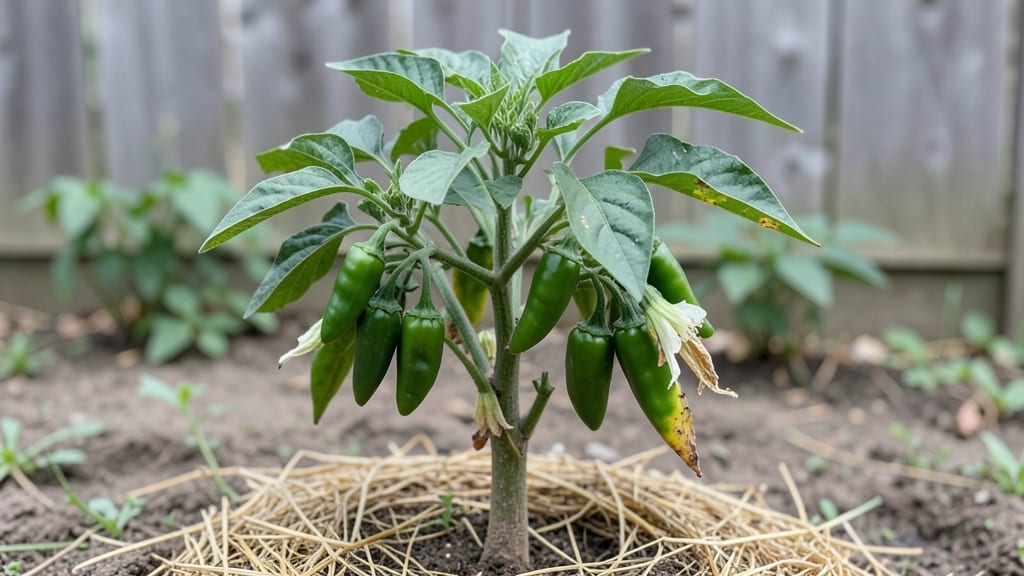
Caring for jalapeño plants turns out to be simpler than I expected—once you know the few key tricks that make all the difference. 🌱 These fiery little plants reward patience with a steady harvest of peppers that go from tiny to full-sized in just 8-10 weeks if you give them consistent warmth, water, and a little attention to their soil.
I learned the hard way that jalapeños hate soggy roots—overwatering leads to blossom-end rot, which ruins those perfect peppers. Instead, keep the soil 1-2 inches deep consistently moist but never waterlogged, and always use well-draining soil mixed with compost.
Outdoor plants need full sun (6+ hours daily), while indoor growers should place them under grow lights 12-14 hours a day to mimic summer conditions.
Pruning isn’t just for aesthetics—it boosts production. Snip off the first few flowers to encourage stronger root and stem growth, then let the rest go wild. A balanced fertilizer (like 10-10-10) every 4-6 weeks keeps them thriving, and mulching retains moisture while keeping weeds at bay.
The real payoff? A single plant can yield 20-30 peppers if you stay consistent.
Seasonal shifts matter: in cooler climates, start seeds indoors 8-10 weeks before last frost, then transplant after soil warms to 70°F+. Container growers can extend the season by bringing pots indoors before frost.
The biggest mistake? Skipping the heat—jalapeños need warmth to set fruit, so don’t rush them into cold soil.
📚 In This Guide
- What you need
- Instructions
- Tips and common mistakes
- Wrapping up and next steps
What you need
- ● Jalapeño seeds or seedlings: 3–5 plants (or 1–2 per pot if container gardening). Opt for heirloom or hybrid varieties like 'Early Jalapeño' or 'Red Jalapeño'.
- ● Well-draining potting mix: 5–10 gallons (for containers) or enriched garden soil (pH 6.0–7.0). Mix in compost or aged manure for nutrients.
- ● Containers (if not planting in-ground): 5–10 gallon pots with drainage holes (1 plant per pot). Fabric grow bags work too!
- ● Fertilizer: Balanced 10-10-10 or organic options like fish emulsion or worm castings. Apply every 4–6 weeks.
- ● Watering can or hose with a gentle nozzle: Jalapeños hate soggy roots—avoid overhead watering.
- ○ Stakes or cages (optional but helpful): Tall plants (up to 3–4 feet) may need support. Use bamboo stakes or tomato cages.
- ● Pruning shears: For trimming leggy growth or removing lower leaves (sterilize with rubbing alcohol).
- ● Gloves: Protect your hands from thorns and soil-borne bacteria.
- ● Row covers or shade cloth (30–50% coverage): Shield young plants from pests or intense sun if needed.
- ● Mulch (straw or shredded leaves): Retains moisture and suppresses weeds. Apply 2–3 inches around the base.
- ● pH test kit: Ensure soil stays in the ideal 6.0–7.0 range. Adjust with lime (to raise pH) or sulfur (to lower).
- ● Harvesting scissors: Clean cuts prevent plant stress. Dull knives can crush stems!
- ● Sunlight: Full sun (6–8+ hours daily). Partial shade (<6 hours) may reduce yield.
- ● Temperature: Ideal range: 70–85°F (day), 60–70°F (night). Avoid frost (<32°F).
- ● Water: 1–1.5 inches per week. Let soil dry slightly between waterings to prevent root rot.
Step-by-step instructions for thriving jalapeño plants
Here's how I keep my jalapeños producing heat all season with minimal fuss.
🌱 Step 1: Plant in Warm, Well-Draining Soil
Jalapeños need soil that warms quickly in spring—70°F or above is ideal. I plant mine after the last frost when nighttime temperatures stay above 55°F, using the 1 gallon of potting mix in each 5-gallon container to ensure excellent drainage. Mix in a handful of compost to boost fertility without compacting the soil.
Press the plant in gently until the soil line matches what was in the nursery pot. Firm the soil around the base to eliminate air pockets, then water deeply until moisture runs out the drainage holes. You'll know it's right when the top inch feels damp but not soggy.
☀️ Step 2: Provide Full Sun and Consistent Heat
Jalapeños demand 6-8 hours of direct sunlight daily. I place mine in the sunniest spot on my patio where they get morning sun and afternoon shade in summer's peak heat. If growing indoors, position them within 12 inches of a south-facing window or under grow lights for 14-16 hours daily.
Watch for signs of stress: leaves curling or turning yellow means they're too hot, while leggy growth signals insufficient light. A healthy plant has glossy, dark green leaves and sturdy stems. I keep my containers on casters so I can rotate them weekly—this ensures even growth and prevents shading from one side.
💧 Step 3: Water Deeply and Maintain Consistent Moisture
Jalapeños hate wet feet but also can't tolerate drying out. I water when the top 1-2 inches of soil feel dry, using 1 cup of water per container every 2-3 days in summer. Water at the base in the morning so foliage has time to dry before evening—a critical step to prevent fungal diseases like blight.
Overwatering is the biggest mistake I see. You'll know you've overdone it when leaves yellow and stems feel mushy. If this happens, let the soil dry out completely for a few days before resuming your watering schedule. Mulching with 1 inch of organic mulch helps retain moisture while keeping roots cool.
✂️ Step 4: Prune and Support for Maximum Yield
Pinch off the first few flowers that appear to encourage bushier growth. Once the plant establishes, I remove any suckers (those little shoots in the leaf axils) to direct energy into fruit production. Use clean pruning shears to make cuts just above a leaf node—this prevents disease entry points.
As peppers develop, I tie the main stems to the 6-foot bamboo stakes to prevent sprawling. This also improves air circulation around the plant, reducing humidity-related diseases. I harvest peppers when they reach 3-4 inches long—this keeps the plant producing continuously rather than putting all its energy into a few large fruits.
🌿 Step 5: Fertilize and Monitor for Pests
Feed plants every 4-6 weeks with a balanced organic fertilizer (like the 10-10-10 formula in the 1-pound bag) mixed at half-strength. I apply it after watering to prevent root burn, focusing on the soil around the base rather than the leaves. Yellowing leaves often signal a nitrogen deficiency—this is your cue to feed again.
Check undersides of leaves weekly for aphids or spider mites. I treat infestations immediately with a strong spray of water to dislodge pests, followed by neem oil if needed. Healthy plants develop a thick, waxy coating that naturally deters many pests, so maintaining good growing conditions is your best defense.
Tips & tricks for thriving jalapeño plants
Here's what I've learned after growing jalapeños for years—these tricks make all the difference between a struggling plant and one that produces heat all season.
Soil Temperature Secret: Don't rush planting! Wait until nighttime temperatures consistently stay above 55°F—this ensures your soil reaches that critical 70°F threshold where jalapeños thrive. I test soil temperature with a simple thermometer before planting, and it's saved me from transplant shock more times than I can count. Cold soil stresses plants, making them vulnerable to disease.
Lighting Strategy: The 6-8 hours of direct sunlight requirement isn't just about quantity—it's about quality. Position your plants to get morning sun and afternoon shade during peak summer heat. For indoor growers, supplement with grow lights positioned 12 inches away for 14-16 hours daily. I use a timer to automate this, which prevents the common mistake of over-lighting that leads to leggy, weak plants.
Watering Wisdom: The 1-2 inch dry soil test is more reliable than a schedule. In summer, I use 1 cup of water per container every 2-3 days, but I always check moisture first. Watering at the base in the morning gives foliage time to dry completely, which is crucial for preventing fungal diseases like blight. I've found that mulching with 1 inch of organic mulch helps maintain that perfect moisture balance without the guesswork.
Pruning Payoff: Pinching off the first few flowers might feel counterintuitive, but it encourages bushier growth that leads to more peppers overall. When removing suckers, always cut just above a leaf node—this prevents disease entry points and directs energy where you want it. I harvest peppers at 3-4 inches long to keep the plant producing continuously rather than putting all its energy into a few large fruits. This consistent harvesting actually stimulates more flower production!
Pro Tips for Jalapeno Plants Care
- Here's what I've learned after growing jalapeños for years—these tricks make all the difference between a struggling plant and one that produces heat all season.
- Soil Temperature Secret: Don't rush planting!
- Lighting Strategy: The 6-8 hours of direct sunlight requirement isn't just about quantity—it's about quality.
Frequently asked questions
Got questions about growing jalapeño plants? You’re not alone! Here are some of the most common concerns—plus quick, actionable answers to keep your peppers thriving.
How long does it take for jalapeño plants to produce fruit?
With proper care, jalapeño plants typically start flowering 60–75 days after transplanting (or 90–110 days from seed). Fruit will appear shortly after, with a full harvest in 75–90 days for early varieties. Patience pays off—don’t rush it!
Can jalapeños survive frost? What’s the best way to protect them?
Jalapeños are tender perennials and can’t tolerate frost (below 32°F/0°C). If frost is forecasted, cover plants with frost cloth or row covers or harvest before temperatures drop. In colder climates, grow them in containers for easy relocation indoors.
Why aren’t my jalapeño plants producing peppers?
Blossoms but no fruit? Check these fixes:
- Pollination issues: Gently shake plants or attract bees with native flowers nearby.
- Over-fertilizing: Too much nitrogen = leafy growth, no fruit. Switch to a low-N, high-P fertilizer (like 5-10-10).
- Stress: Extreme heat, drought, or pests can halt production. Keep soil consistently moist and monitor for pests.
Can I grow jalapeños in containers? What’s the best pot size?
Jalapeños thrive in containers as long as the pot is at least 12–18 inches deep and wide (5-gallon minimum). Use well-draining potting mix and place pots in full sun (6+ hours/day). Dwarf varieties like ‘Mini Jalapeño’ need less space—ideal for balconies!
What pests should I watch for, and how do I get rid of them?
Common culprits include:
- Aphids: Spray with soapy water or introduce ladybugs.
- Spider mites: Mist plants daily to boost humidity and use neem oil.
- Corn earworms: Handpick larvae or use row covers early in the season.
For heavy infestations, pyrethrin-based sprays work fast—but preventative care (healthy soil, companion planting with basil or marigolds) keeps pests at bay!
Can I save seeds from jalapeños to grow next year?
Yes! Clean seeds by fermenting them in water for 2–3 days, then rinse and dry on a paper towel. Store in a cool, dark place for up to 2 years. Note: Hybrid varieties (like ‘Early Jalapeño’) may not produce true-to-type peppers. For consistency, buy fresh seeds annually.
Wrapping up and next steps
Caring for jalapeño plants is a rewarding journey that yields spicy, flavorful peppers with just a little effort! 🌱 By choosing the right companion plants, ensuring proper sunlight, and providing consistent (but not excessive) water, you’ll set your plants up for success.
Whether you’re a seasoned gardener or a beginner, these tips make growing jalapeños simple and fun.
Ready to harvest your homegrown heat? Start by planting your seeds or seedlings this season—your taste buds (and dinner guests) will thank you! 🌶️✨