Container Gardens
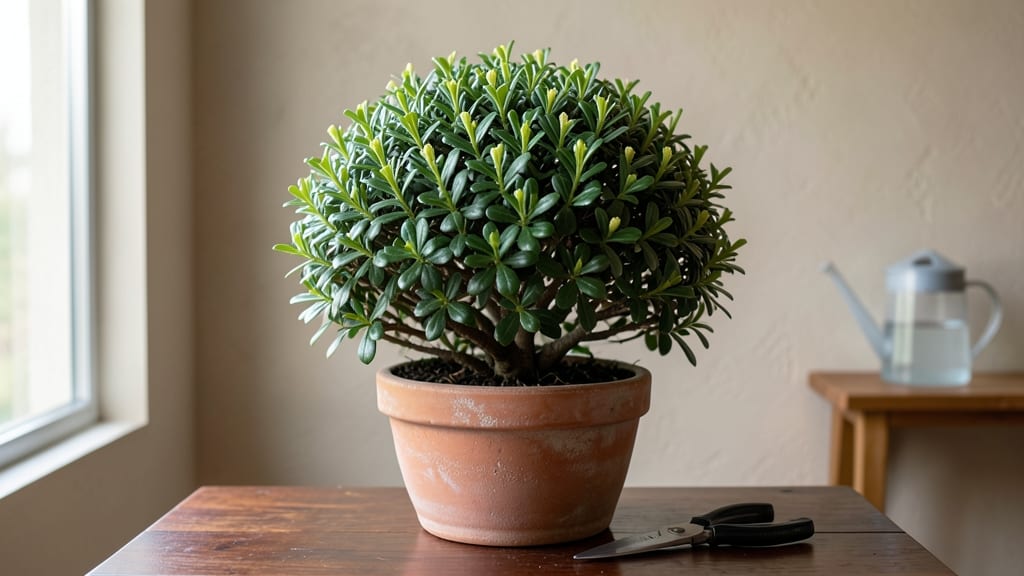
A boxwood indoor plant might seem challenging to grow, but I’ve kept mine flourishing indoors for years with just a few simple adjustments to outdoor care. The key is mimicking its natural habitat—bright but indirect light, well-draining soil, and consistent moisture without soggy roots.
My plant now stands tall and glossy, a tiny evergreen statement piece that never loses its shape.
Boxwoods actually prefer indoor life better than you’d think—just adjust your watering. Let the top inch of soil dry out between drinks, and use a pot with drainage holes to prevent root rot.
A humidifier nearby helps too, since dry indoor air can make the edges of leaves turn brown over time. I’ve found that a weekly misting keeps mine looking fresh, especially in winter when furnaces suck the moisture right out of the air.
Pruning is where most people overcomplicate things, but boxwoods are forgiving. Simply snip back any leggy growth in early spring to encourage bushier shape, and you’re done. My plant stays compact and dense with just a few cuts a year—no shearing required.
The result? A year-round green centerpiece that outlasts most houseplants and handles indoor quirks like temperature swings with ease.
Even if you’ve killed boxwoods before, this method works. The secret is patience—these plants grow slow but steady, and with the right light and care, they’ll reward you with decades of lushness. Start with one, and you’ll be hooked on their quiet, reliable beauty.
📚 In This Guide
- What you need
- Instructions
- Tips and common mistakes
- Wrapping up and next steps
What you need
- ● Boxwood plant: 1 healthy specimen (dwarf varieties like Buxus microphylla or Buxus sempervirens work best for indoor spaces).
- ● Well-draining pot: 1 container with drainage holes (12–18 inches in diameter for mature plants; 6–10 inches for smaller varieties).
- ● High-quality potting mix: 1 bag of well-draining, slightly acidic soil blend (pH 6.0–7.0). Mix with 20% perlite or sand for aeration.
- ● Watering can: 1 with a rose attachment for gentle watering.
- ● Fertilizer: 1 bottle of balanced liquid fertilizer (10-10-10 or 20-20-20, diluted to half-strength).
- ● Pruning shears: 1 pair of sharp, clean shears (sterilize with rubbing alcohol before/after use).
- ○ Spray bottle: 1 for misting (optional but helpful for humidity-loving varieties).
- ● Humidity tray: 1 to boost moisture levels (especially in dry climates).
- ● Grow lights: 1–2 LED full-spectrum bulbs (12–14 hours/day if natural light is limited).
- ● Mulch: 1 bag of orchid bark or pine fines to retain moisture.
- ● Plant saucer: 1 to catch excess water and prevent root rot.
Step-by-Step instructions for growing boxwood indoors
Bringing boxwoods inside? Here's how to keep them thriving year-round with simple care.
Choose the Right Container and Soil
Select a container with drainage holes—boxwoods hate soggy roots. I use a 12-inch diameter pot for each plant since they need room to grow. Fill the bottom with 2-3 inches of gravel to improve drainage, then add 3 gallons of well-draining potting mix. Boxwoods prefer a slightly acidic mix, so I blend in a handful of peat moss to keep the pH balanced.
Gently loosen the roots of your boxwood before placing it in the pot. This encourages them to spread and establish quickly. Press the soil lightly around the edges to secure the plant, but don’t compact it. The soil should feel like a damp sponge—not too wet, not too dry.
Position for Light and Humidity
Boxwoods need bright, indirect light—think east or west-facing windows. If your home has low light, supplement with a grow light placed 12-18 inches away for 6-8 hours daily. Direct sunlight can scorch the leaves, so avoid south-facing windows unless filtered.
Mist the leaves 2-3 times a week to maintain humidity, especially in dry indoor air. I also place the pot on a tray filled with pebbles and water to create extra moisture around the plant. Watch for yellowing leaves—this often signals underwatering or low humidity.
Water Consistently Without Overdoing It
Water your boxwood when the top inch of soil feels dry to the touch. Stick your finger in the soil—if it’s damp below the surface, wait another day. Overwatering is the fastest way to kill boxwoods, so I always check before adding more water. Use room-temperature water to avoid shocking the roots.
Empty the saucer under the pot 30 minutes after watering to prevent root rot. Boxwoods are drought-tolerant once established, but they still need steady moisture. If the soil stays wet for more than a day, reduce watering and improve drainage.
Prune for Shape and Health
Boxwoods thrive with minimal pruning, but a little shaping keeps them looking neat. Use clean, sharp pruners to trim back leggy growth or overgrown branches in early spring or late summer. Cut just above a leaf node—this encourages bushier growth.
Remove any dead, yellowed, or diseased leaves immediately. I also thin out crowded branches to improve airflow, which prevents fungal issues. Avoid heavy pruning in winter, as boxwoods need their energy to stay dormant indoors.
Fertilize Lightly for Year-Round Growth
Feed your boxwood with a balanced, water-soluble fertilizer (like 10-10-10) every 6-8 weeks during the growing season (spring and summer). Dilute it to half-strength to avoid burning the roots. In fall and winter, skip fertilizing—boxwoods grow slowly indoors and don’t need extra nutrients.
Watch for signs of over-fertilizing, like brown leaf tips or stunted growth. If this happens, flush the soil with water to remove excess salts. A little fertilizer goes a long way—boxwoods are low-maintenance plants that don’t need heavy feeding.
Tips & tricks for perfect boxwood indoor plant care
A few small adjustments can make all the difference in keeping your boxwood thriving indoors.
Container and Drainage: The 12-inch pot size and 2-3 inches of gravel at the bottom are essential for preventing waterlogged roots. If you notice water pooling at the bottom after 30 minutes, it’s a sign you need more gravel or better drainage. I’ve found that terracotta pots help even more—they naturally wick away moisture, which is perfect for boxwoods that hate soggy conditions.
Lighting Troubleshooting: When using a grow light for those 6-8 hours daily, position it closer to the plant if the leaves start stretching toward the light. This stretching, called etiolation, means the plant isn’t getting enough light. If your boxwood develops yellow leaves despite regular misting, it might be getting too much direct sunlight—move it a few feet away from the window.
Pruning Precision: In Step 4, when you’re pruning in early spring or late summer, focus on cutting just above a leaf node where new growth emerges. I always use clean pruners and dip them in rubbing alcohol between cuts to prevent spreading disease. For a fuller look, trim the outer edges first, then work inward to shape the plant gradually.
Fertilizer Timing: The 6-8 week feeding schedule during spring and summer is perfect, but if you see brown leaf tips, you’re likely overdoing it. Flushing the soil with water helps, but next time, dilute the fertilizer even more—half-strength is already gentle, so try quarter-strength if needed. In winter, remember that boxwoods are dormant, so no fertilizer is truly the best approach.
Pro Tips for Boxwood Indoor Plant
- A few small adjustments can make all the difference in keeping your boxwood thriving indoors.
- Container and Drainage: The 12-inch pot size and 2-3 inches of gravel at the bottom are essential for preventing wate...
- Lighting Troubleshooting: When using a grow light for those 6-8 hours daily, position it closer to the plant if the l...
Frequently asked questions
Got questions about keeping your boxwood indoor plant thriving? You’re not alone! Here are answers to the most common concerns—from pruning to pests—so you can enjoy lush greenery year-round with ease.
How often should I prune my boxwood plant indoors?
Prune your boxwood lightly every 4–6 weeks to maintain shape and encourage bushiness. Focus on trimming 1/3 of the new growth after flowering (spring/summer) and avoid heavy cuts in fall/winter. Use clean, sharp shears to prevent disease. Pro tip: Shape it gradually—never remove more than 25% of the plant at once!
Can boxwoods survive indoors in winter?
Yes! Boxwoods tolerate indoor winter conditions but prefer cool (55–65°F) and bright, indirect light. Keep them away from drafts, heaters, or cold windows. If leaves yellow, it may need more humidity—try a pebble tray or occasional misting. Avoid sudden temperature swings, which stress the plant.
What are the most common boxwood pests, and how do I treat them?
The top pests for indoor boxwoods are spider mites, aphids, and boxwood leafminers. Treat spider mites with neem oil or insecticidal soap; aphids can be wiped off with soapy water. For leafminers, prune infested branches and apply horticultural oil. Pro tip: Inspect leaves weekly—early action prevents outbreaks!
Why are my boxwood leaves turning brown or yellow?
Brown tips usually mean low humidity or overwatering, while yellow leaves often signal overwatering, poor drainage, or nutrient deficiency. Check soil moisture—it should stay evenly moist but not soggy. Repot if roots are crowded, and fertilize lightly in spring/summer with a balanced 10-10-10 formula.
Are there low-maintenance alternatives to boxwood for indoors?
If boxwoods seem high-maintenance, try these easy-care alternatives:
- Dwarf English Ivy – Thrives in low light and tolerates occasional neglect.
- Schefflera (Umbrella Plant) – Fast-growing, drought-resistant, and pet-friendly.
- Dracaena Marginata – Needs minimal pruning and purifies air.
- Parlor Palm – Handles low humidity and indirect light beautifully.
Wrapping up and next steps
Caring for a boxwood indoor plant is a rewarding way to bring structured elegance and lush greenery into your home—with just a little attention to light, soil, and occasional pruning! 🌿 Whether you're a beginner or a seasoned plant parent, these tips ensure your boxwood thrives year-round, adding texture and charm to any space.
Ready to level up your green thumb? Start by observing your plant’s needs—adjust light, water, or pruning as you go. Soon, you’ll have a thriving, low-maintenance beauty that’s the star of your indoor garden! 🌟