
Planting
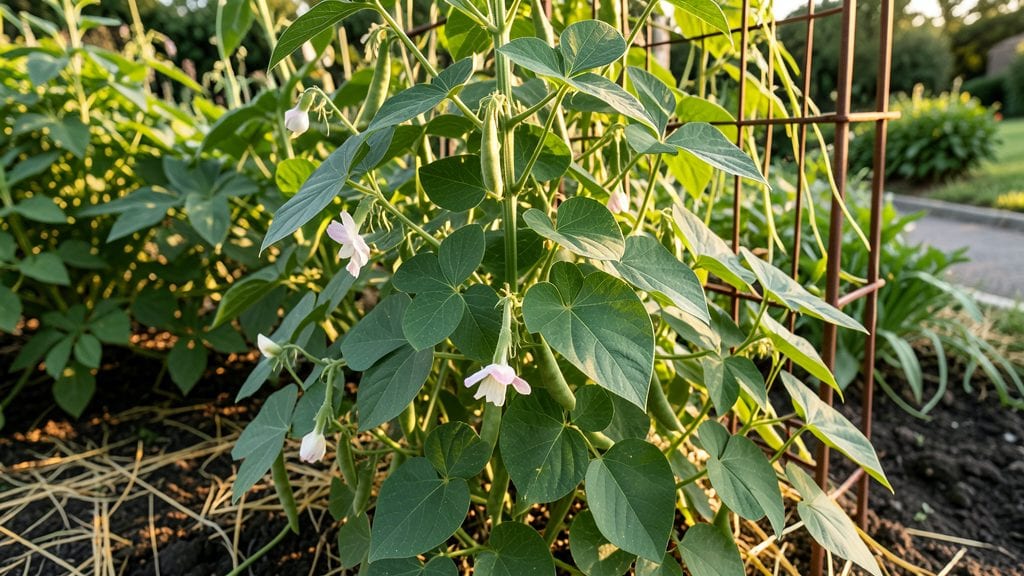
Caring for bean plants transforms your garden into a steady source of fresh, homegrown protein—if you nail the basics like soil, sunlight, and pruning. 🌱 I’ve grown both bush and pole beans for years, and the difference between a thriving patch and a sad, wilted mess comes down to these few key habits.
The payoff? A harvest that keeps coming all season long, with minimal fuss.
Start with loose, well-draining soil mixed with compost—beans hate soggy roots. Plant seeds 1 inch deep, 2-3 inches apart for bush beans or wider for pole beans (they’ll climb). Keep them in full sun (6+ hours daily) and water consistently, but never let them sit in puddles.
The secret weapon? A light trim every 2-3 weeks to encourage bushier growth and more pods.
You’ll know you’re doing it right when vines are covered in tiny white flowers, then plump pods within weeks. Pole beans even produce for months if you train them on a trellis.
The best part? No fancy tools—just sharp scissors, a watering can, and a little patience. Here’s how to keep them growing strong from spring to fall.
Works for containers, raised beds, or backyard plots—just adjust spacing. And yes, you can overwinter them in warm climates with a little extra care. Let’s get those beans thriving!
📚 In This Guide
- What you need
- Instructions
- Tips and common mistakes
- Wrapping up and next steps
What you need
- ● Bean Seeds: Choose your variety (e.g., bush beans, pole beans, or heirloom)—start with 1-2 seeds per planting hole (or follow packet instructions).
- ● Well-draining potting mix or garden soil: Use 10-20 lbs for containers or enrich your garden bed with compost (aim for 2-3 inches of organic matter).
- ● Containers or garden space: For containers: Use pots at least 12 inches deep and wide (1-2 plants per container).
- ● For garden beds: Allocate 3-4 feet of space per plant (or 6-8 feet for pole beans with trellises).
- ● Trellis or stakes (for pole beans): Install 5-6 foot tall stakes or a trellis (bamboo, metal, or wooden).
- ● Watering can or hose with a gentle spray nozzle: Keep soil consistently moist but not soggy.
- ○ Fertilizer (optional but helpful): Balanced fertilizer (10-10-10): 1 tbsp per plant at planting time.
- ● Compost or worm castings: Mix 1 cup per square foot into soil before planting.
- ● Pruning shears or scissors: For trimming and harvesting (sterilize blades with rubbing alcohol!).
- ● Mulch: Straw or shredded leaves to retain moisture and suppress weeds (2-3 inches around plants).
- ● Plant supports: Mesh netting or twine for pole beans to climb neatly.
- ● pH testing kit: Ensure soil pH is 6.0-7.0 (beans prefer slightly acidic to neutral soil).
- ● Shade cloth: For hot climates (30-50% shade during peak afternoon sun).
- ● Plant markers: Label seeds with variety names and planting dates!
Step-by-step guide for year-round bean plant care
Here’s how I keep beans thriving through every season—no guesswork, just steady growth.
🌱 Step 1: Plant Beans in Well-Draining Soil
Beans need loose, fertile soil that drains well to prevent root rot. Work in a 2-inch layer of compost (if not already in the soil) to boost nutrients. Plant seeds 1 inch deep and 3-4 inches apart in rows spaced 12-18 inches apart. For bush beans, space rows 18 inches apart—they stay compact. Pole beans need 4-6 feet of vertical support, so install trellises or stakes at planting.
I always test soil moisture before planting—it should feel like a wrung-out sponge, not soggy. If your soil drains poorly, mix in 1 part perlite to 3 parts soil to improve airflow. Plant in full sun for best results, but beans tolerate partial shade in hot climates.
💧 Step 2: Water Consistently Without Overdoing It
Beans need 1-1.5 inches of water per week, but they’re sensitive to soggy roots. Water deeply 2-3 times per week (more in extreme heat) and let the top 2 inches of soil dry out between waterings. I check moisture by sticking my finger in—if it feels dry at that depth, it’s time to water.
Mulch with 2-3 inches of straw or grass clippings right after planting to lock in moisture and keep soil cool. Avoid wetting the leaves when watering, as this encourages fungal diseases like rust. Drip irrigation works best—it delivers water straight to the roots without splashing.
☀️ Step 3: Provide Support and Prune for Airflow
Pole beans need tall trellises or sturdy stakes—I use 6-foot bamboo stakes for simplicity. Tie vines loosely with soft twine or old fabric strips every 6-8 inches as they grow. For bush beans, no support is needed unless heavy pods start bending stems.
Prune regularly to improve airflow and prevent disease. Snip off any yellowing or diseased leaves immediately with clean scissors. If vines get too crowded, trim back the oldest growth to encourage new, productive shoots. I always prune in the morning so wounds dry quickly.
✂️ Step 4: Harvest and Encourage Continuous Growth
Harvest beans every 2-3 days when pods are firm and 4-6 inches long for bush beans, or 6-8 inches long for pole beans. Pick consistently—this prevents the plant from putting energy into extra seeds and keeps production steady. Use sharp scissors or pinch pods off at the stem to avoid damaging the vine.
After harvesting, fertilize lightly with a balanced organic fertilizer (10-10-10) if leaves start yellowing. Too much nitrogen makes plants leafy but reduces pod production. I also rotate crops yearly to prevent soil-borne diseases, as beans are heavy feeders.
⏰ Step 5: Adjust Care for Seasonal Changes
In spring and fall, beans grow best with cool nights (50-60°F) and warm days (70-80°F). If temperatures dip below 50°F, cover plants with frost cloth at night. In summer, provide afternoon shade in hot climates to prevent wilting.
Winter care depends on your zone. In USDA Zones 8-10, beans grow year-round with consistent water and mulch. In colder zones, plant cold-hardy varieties like 'Winter Lily' and protect with row covers. Always remove old plants in fall to prevent pests from overwintering.
Tips & tricks for perfect bean plant care
These small adjustments can transform your bean plants from struggling survivors to thriving powerhouses—no matter the season.
Soil Prep Secret: Before planting, I always run a quick soil test using the "squeeze test"—if water drains through in 10-15 seconds, your soil is perfect. For heavy clay soil, mix in 1 part perlite to 3 parts soil right in the planting hole. This creates ideal drainage while keeping moisture where the roots need it most. I've seen beans double their yield just from this simple adjustment!
Watering Wisdom: The 1-1.5 inches per week guideline works perfectly when using a rain gauge, but if you're watering by hand, aim for deep soakings every 2-3 days until water runs out the bottom of the pot. Morning watering is key—it gives leaves time to dry before evening, reducing fungal risks. I always check soil moisture at 2 inches deep with my finger before watering again.
Support System: For pole beans, I've found that 6-foot bamboo stakes work best because they're sturdy enough to handle heavy vines but flexible enough to sway slightly in wind. When tying vines, use soft fabric strips instead of wire—they won't damage the stems as they grow. I tie every 6-8 inches up the stake, but I never pull the vines tight; they should have some wiggle room to grow toward the light.
Seasonal Temperature Tricks: In summer heat, I've learned to provide afternoon shade using shade cloth (30-50% coverage) when temperatures exceed 80°F. For cool nights below 50°F, a simple frost cloth draped over plants can add 5-10°F of protection. The goal is to keep nighttime temps between 50-60°F—this sweet spot prevents flower drop while allowing proper pod development.
Pro Tips for Bean Plant Care
- These small adjustments can transform your bean plants from struggling survivors to thriving powerhouses—no matter the season.
- Soil Prep Secret: Before planting, I always run a quick soil test using the "squeeze test"—if water drains through in 10-15 seconds, your soil is perfect.
- Watering Wisdom: The 1-1.5 inches per week guideline works perfectly when using a rain gauge, but if you're watering by hand, aim for deep soakings every 2-3 days until water runs out the bottom of the pot.
Frequently asked questions
Got questions about keeping your bean plants thriving?
Here are some of the most common concerns—plus quick, practical answers to keep your garden (or indoor pots) flourishing!
How often should I water bean plants?
Keep the soil consistently moist but not soggy. Water deeply 1–2 inches per week, especially during flowering and podding. Mulch around plants to retain moisture and prevent weeds. Pro tip: Water at the base (not overhead) to avoid fungal diseases like rust.
When is the best time to harvest green beans?
Pick beans when they’re firm, crisp, and 4–6 inches long—usually 50–60 days after planting. Harvest every 2–3 days to encourage more production. Wait too long? Beans turn woody and tough. Use sharp scissors or pruners to avoid damaging vines.
Can I grow beans indoors or in containers?
Dwarf varieties like Blue Lake Bush or Mascotte thrive in containers 12+ inches deep. Place near a sunny window (6+ hours/day) or under grow lights. Use well-draining soil and fertilize lightly with compost every 3–4 weeks. Bonus: Rotate pots weekly for even light exposure.
What should I do if my bean leaves turn yellow?
Yellow leaves often signal overwatering, nutrient deficiency, or pests. Check soil moisture first—let it dry slightly between waterings. If yellowing spreads, test for nitrogen deficiency (use a balanced fertilizer) or inspect for aphids (spray with soapy water or neem oil).
Do I need to prune bean plants?
Pruning isn’t mandatory, but it helps! Trim dead or diseased leaves regularly to improve airflow. For bush beans, pinch back tips to encourage bushier growth. For pole beans, prune suckers (side shoots) to direct energy to pods. Timing: Do this in the morning to reduce stress on plants.
Still stumped?
Drop your question below—we’re happy to help your beans reach their full potential!
Wrapping up and next steps
Caring for your bean plants is a rewarding journey that yields lush, thriving vines and a bountiful harvest—whether you’re growing them for food or aesthetics! 🌱 With the right balance of sunlight, soil, water, and seasonal trimming, your plants will flourish year-round.
Remember, consistency is key, and even small adjustments can make a big difference.
Now that you’re armed with expert tips, why not take the next step? Try experimenting with companion planting or pruning techniques to see what works best for your garden. Happy growing—your green thumb is about to shine! 🌟