
Succulent
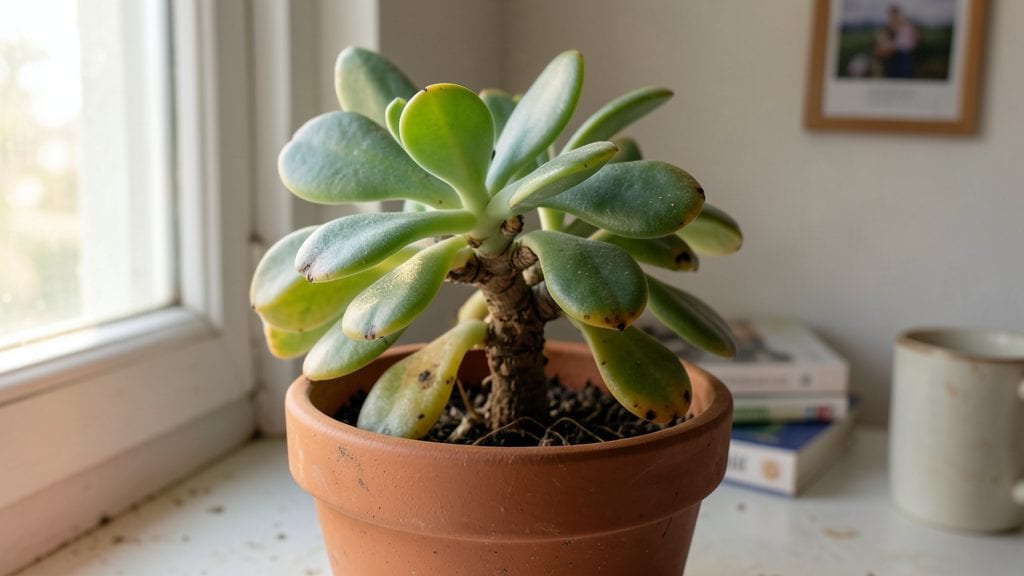
Your jade plant’s droopy, mushy stems are screaming for help—this is classic overwatering, and the good news is you can fix it fast. 🌱 I’ve nursed back more jade plants than I’d like to admit, and the secret isn’t complicated: stop the rot, improve drainage, and adjust your watering routine.
The first step is critical—if you don’t act now, those roots won’t recover.
Overwatering happens when jade plants sit in soggy soil for too long, blocking oxygen and inviting root rot. You’ll spot the signs: yellow leaves, stems that feel soft to the touch, and a pungent smell from the soil.
The fix starts with letting the soil dry out completely between waterings—stick your finger in first to check moisture. Jade plants thrive on neglect, not attention.
Within a week, you’ll see new growth if you repot into fresh, gritty soil and ensure the pot has drainage holes. Prune any mushy stems below the rot, and place your plant in bright, indirect light.
The transformation is shocking—what once looked doomed will soon stand tall again, with thick, vibrant leaves that’ll have your neighbors asking for tips.
Prevention is even simpler: water only when the top 2 inches of soil are bone-dry, and use a pot that’s only slightly larger than the plant’s root ball. Trust me, your jade will thank you with decades of low-maintenance beauty—if you give it this one chance to bounce back.
Why it happens
Overwatering your jade plant—Crassula ovata—isn’t just a gardening mistake; it’s a silent killer lurking in poor soil conditions, misjudged care routines, or environmental mismatches. Understanding why this happens helps you fix it fast. Let’s break down the science (and the sneaky habits) behind soggy soil and sad succulents.
Jade plants are succulents, meaning they’ve evolved to store water in plump leaves and stems. But when planted in heavy, water-retentive soil (like garden soil or potting mix without amendments), excess moisture gets trapped around the roots. Here’s what’s really going on:
- Compacted soil: Clay or loam-based mixes block oxygen, suffocating roots. Without airflow, roots can’t respire (breathe) properly, leading to anaerobic conditions—a fancy term for "root rot party."
- No perlite or sand: These gritty additives create air pockets. Without them, water pools like a swamp, drowning the roots in 24–48 hours.
- Pot without drainage holes: Even the best soil becomes a death trap if water has nowhere to escape. Roots sit in a permanent puddle, inviting fungal infections like Phytophthora.
Pro tip: 💡 Test your soil’s drainage by filling a cup with soil and water. If it takes more than 5 minutes to drain, it’s too dense. Amend with 30% perlite or coarse sand.
Most overwatering stems from routine, not attention. Jade plants thrive on the "soak-and-dry" method, but many gardeners default to weekly watering—regardless of humidity, light, or season. Here’s why this backfires:
- Ignoring the "finger test": Sticking your finger 1–2 inches into the soil tells you if it’s dry. If it’s damp, wait. Overwaterers often guess and end up adding moisture when the roots are still soggy.
- Seasonal blindness: In winter, jade plants enter dormancy and need half as much water. Yet, many water on the same schedule year-round, confusing the plant’s natural rhythm.
- Mistaking thirst for wilting: Droopy leaves often mean underwatering, but overwatered jades also sag—from root stress, not dehydration. The fix? Check the soil before watering.
Action step: 🌡️ Switch to a watering calendar tied to soil moisture, not days. In summer, water every 7–10 days; in winter, stretch it to 3–4 weeks.
Jade plants are tropical desert dwellers, adapted to bright light, dry air, and warm temps. When their environment goes rogue, they drink more than they should—or can’t evaporate excess moisture fast enough. Here’s how:
| Factor | Problem | Why It Causes Overwatering |
|---|---|---|
| Low light | Leggy growth, pale leaves | The plant can’t photosynthesize efficiently, so it hoards water like a squirrel in winter. Roots stay wet longer because the plant isn’t using moisture. |
| High humidity (e.g., bathrooms, kitchens) | Yellow leaves, mushy stems | Humid air slows evaporation, keeping soil damp. Jade plants need 30–50% humidity; anything above 60% stresses them. |
| Cold drafts (near AC/doors) | Stunted growth, blackened leaves | Cold roots metabolize slower, delaying water absorption. Meanwhile, the top soil stays wet, creating a rot-friendly zone. |
Fix it: ✨ Move your jade to a south or west window (6+ hours of bright, indirect light). If humidity is high, use a dehumidifier or place it on a pebble tray with dry stones to improve airflow.
Not all pots are created equal. Some materials hold moisture like a sponge, while others breathe like a desert. Here’s how your container might be sabotaging your jade:
- Terracotta without glazing: Seems ideal, but if it’s unglazed, it dries out fast—unless you’re overcompensating with extra water. The key? Pre-moisten the pot before planting to avoid shock.
- Plastic containers: Traps heat and moisture, creating a greenhouse effect. Roots suffocate in warm, wet conditions, accelerating rot.
- Glazed ceramic: Acts like a waterproof seal. Even with drainage holes, moisture lingers because the glaze blocks evaporation from the sides.
Upgrade your pot: 🔥 Use unglazed terracotta or fabric grow bags for better airflow. If repotting isn’t an option, water less frequently in plastic pots.
Revive Your Jade Plant Fast
Overwatering can feel like a death sentence for your jade plant, but don’t panic—these quick fixes will help nurse it back to health. The key is to act fast, adjust your habits, and prevent future mistakes.
Below, we’ll break down the most common signs of overwatering and the exact steps to reverse the damage, plus pro tips to keep your plant thriving.
Cause: Soggy soil cuts off oxygen to roots, leading to rot. Fix:
- Pause watering for at least 1–2 weeks to let excess moisture evaporate.
- If the soil feels damp more than an inch below the surface, wait longer.
- Pro Tip: 💡 Use your finger to test moisture—if it’s sticky or cool, hold off.
Cause: Compacted, waterlogged soil traps rot and fungus. Fix:
- Gently remove the plant from its pot (if possible) and shake off excess soil to inspect roots.
- Trim black, mushy roots with clean scissors (sterilize with rubbing alcohol).
- Repot in fresh, well-draining mix—use a cactus/succulent blend (add perlite or pumice for extra airflow).
- Choose a pot with drainage holes (terracotta is ideal—it breathes!).
> ⚠️ Warning: If roots smell foul or the stem is soft, prune aggressively—your plant may need a full reset.
Cause: Weak plants in low light can’t recover fast enough. Fix:
- Move to bright, indirect light (a south- or east-facing window is perfect).
- Avoid direct sun until new growth appears—it can scorch stressed leaves.
- Reduce humidity—jade plants hate damp air. Use a fan on low or place near an open window.
Cause: Frequent shallow watering keeps roots soggy. Fix:
- Water deeply but infrequently—only when the top 2–3 inches of soil are bone-dry.
- Bottom-water (place the pot in a tray of water for 10 mins, then drain) to encourage strong roots.
- Avoid misting—jade plants store water in their leaves, not their soil.
> 🎯 Pro Tip: 🌡️ Use a moisture meter to track soil dryness—no guesswork!
Cause: Stunted growth from root damage or stress. Fix:
- Fertilize lightly (once recovered) with a diluted succulent fertilizer (½ strength).
- Propagate healthy cuttings—snip a leaf or stem, let it callus for 2 days, then plant in dry soil.
- Be patient—new leaves may take 4–8 weeks to appear.
- Pot size matters: Use a pot only slightly larger than the root ball (too big = excess moisture).
- Seasonal adjustments: Water half as much in winter (growth slows).
- Test your soil: If it stays wet too long, amend with sand or orchid bark.
- Observe your plant: Yellowing leaves? Act fast—jade plants wilt faster when overwatered.
Final Thought: 🌟 A jade plant’s resilience is legendary—with these steps, yours can bounce back in weeks (or even days!). The secret? Less water, more patience, and better habits. Now go give that plant some TLC!
Frequently asked questions about saving an overwatered jade plant
How do I know if my jade plant is truly overwatered and not underwatered?
Check the soil first—if it's damp more than 1 inch below the surface, that's overwatering. Look for mushy stems (press gently—if it feels soft, it's rotting) and yellowing leaves that fall off easily. Underwatered jades have wrinkled leaves that stay firm when touched. The key difference? Overwatered plants smell foul when you lift them from the pot.
Can I save a jade plant if the stem is completely mushy and black?
It depends on how much healthy tissue remains. Cut off the blackened section below the rot (use sterilized scissors) and let it dry for 2 days to callus. If there's still green stem below, plant it in fresh, dry soil. If only black remains, try propagating leaves—place them on dry soil and wait for roots to form. Success rates vary, but even "dead" stems can surprise you!
What's the best soil mix to prevent future overwatering?
Use a blend of 50% cactus/succulent mix, 30% perlite or pumice, and 20% coarse sand. This creates air pockets that prevent compaction. Avoid garden soil or peat-heavy mixes—they hold too much moisture. Pro tip: Add a handful of orchid bark for extra drainage. Always use a pot with drainage holes!
How long should I wait before watering again after fixing an overwatered jade?
Wait until the top 2–3 inches of soil are completely dry—this could take 2–3 weeks in warm conditions. Jade plants need time to recover, so resist the urge to water "just in case." Test with your finger: if it feels dry down to 1 inch, it's ready. In winter, stretch this to 4–6 weeks—their growth slows dramatically.
Will my jade plant ever look the same after overwatering damage?
With proper care, it can make a full recovery! New growth will be thicker and healthier than the damaged parts. Focus on bright light and minimal watering—within 2–3 months, you'll see fresh, vibrant leaves. The plant may lose some leaves during recovery, but this is normal. Think of it as a fresh start—your jade will grow even stronger!