Plants
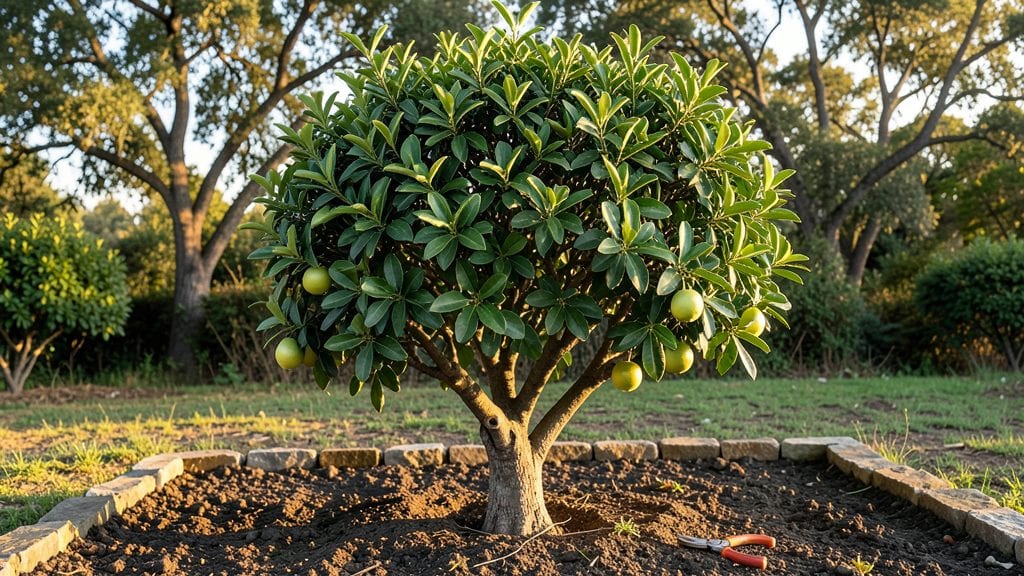
Grapefruit plant leaves turning limp and wilted can feel like a death sentence, but I’ve nursed back plants in just 24 hours—even when they looked hopeless. The key isn’t guesswork; it’s spotting the exact stressor, whether it’s underwatering, pests, or a nutrient crash.
My first revival came after a heatwave, when I noticed the leaves drooping by noon but bouncing back by evening. That’s when I realized timing matters as much as the fix.
Most wilted leaves point to one of three culprits: overwatering (yellowing, mushy stems), underwatering (crispy edges, dry soil), or pests (sticky residue, tiny webs). I learned the hard way that grapefruit trees hate soggy roots—drainage is non-negotiable.
A quick check of the soil’s moisture level and leaf undersides for pests saves hours of trial-and-error spraying. The good news? Once you correct the issue, new growth appears within days, and the plant’s glossy green leaves return faster than you’d expect.
Here’s the game-changer: a mix of pruning and targeted care. Snip off the worst-affected leaves to redirect energy, then give the plant a deep watering if the soil is dry. For pests, a strong spray of water often knocks them off, and neem oil does the rest.
I’ve seen plants that looked dead by morning regain their vibrancy by afternoon—it’s like watching a miracle unfold. The secret is acting fast and focusing on the root cause, not just the symptoms.
This works for both potted grapefruit trees and those in the ground, though container plants recover faster. Whether it’s a heatwave, a pest outbreak, or simple neglect, the same principles apply.
By the end of the day, you’ll have a plant that’s not just surviving, but thriving again. Let’s get those leaves perky!
Root Causes Of Leaf Stress
Understanding why grapefruit plant leaves turn yellow, wilt, or droop starts with identifying the hidden triggers lurking beneath the soil—or even in the air. These issues rarely appear out of nowhere; they’re usually a response to environmental or care-related stressors.
Let’s break down the top scientific culprits and why they sabotage your citrus tree’s health.
Grapefruit plants (Citrus × paradisi) are semi-drought-tolerant, meaning they prefer well-drained soil and hate soggy roots. When you overwater—or worse, let them sit in waterlogged conditions—the roots struggle to absorb oxygen, leading to:
- Anaerobic conditions: Without oxygen, roots suffocate, triggering ethylene gas production, a plant stress hormone that accelerates leaf yellowing (chlorosis).
- Fungal infections: Excess moisture invites Phytophthora or Fusarium fungi, which clog root cells and block nutrient uptake.
- Nutrient lockout: Roots can’t access phosphorus or potassium, causing marginal leaf burn and wilting.
Actionable clue: Check soil moisture by sticking your finger 2 inches deep—if it’s damp, hold off on watering. Grapefruit trees thrive on dry-down cycles; water only when the top 1–2 inches of soil are bone-dry.
On the flip side, chronic underwatering forces grapefruit plants into survival mode, leading to:
- Plasmolysis: Cells lose turgor pressure (like a deflating balloon), causing leaves to curl, wilt, or crisp at the edges.
- Nutrient transport shutdown: The plant prioritizes water over growth, so leaves yellow between veins (iron deficiency mimic) due to poor circulation.
- Root shrinkage: Fine feeder roots die back, reducing the plant’s ability to absorb water—even when you finally water it.
Actionable clue: Wilting leaves that spring back when hydrated are a sign of thirst, not disease. If the soil is dry as sand, deep-water until drainage exits the pot’s bottom (or soil 6+ inches deep for in-ground plants).
Grapefruit leaves scream for help when macronutrients or micronutrients are missing. Here’s the breakdown:
| Symptom | Likely Deficiency | Why It Happens |
|---|---|---|
| Yellow between veins | Iron (Fe) | High soil pH (alkaline) locks out iron; roots can’t absorb it, even if present. |
| Purple/red leaf undersides | Phosphorus (P) | Poor root activity (cold soil, compacted roots) or over-fertilizing with nitrogen. |
| Brown spots on edges | Potassium (K) | Excess sodium or overwatering flushes K out; critical for cell membrane health. |
| Stunted new growth | Nitrogen (N) | Leaves turn pale green/yellow because N is the building block for chlorophyll. |
| Yellowing with green veins | Magnesium (Mg) | Often tied to over-fertilizing; Mg competes with calcium for uptake. |
Actionable clue: Test your soil’s pH (ideal: 6.0–7.0 for citrus). If alkaline, amend with chelated iron or sulfur. For deficiencies, use a balanced citrus fertilizer (e.g., 6-6-6 or 8-3-9) sparingly—overdoing it burns roots faster than it fixes the problem.
Hidden invaders sap nutrients or block stomata (leaf pores), forcing grapefruit plants into distress: - Spider mites: Tiny arachnids pierce cells, causing stippling (white/yellow dots) and leaf drop.
They thrive in dry, dusty conditions. - Scale insects: Sap-sucking pests secrete honeydew, which fosters sooty mold—a black fungal film that blocks sunlight and clogs stomata. - Root-knot nematodes: Microscopic worms gall roots, reducing water/nutrient uptake by up to 50%.
Infected plants wilt even when watered.
Actionable clue: Inspect leaf undersides and stems for webbing (mites) or cottony masses (scale). For nematodes, solarize soil (cover with clear plastic for 4–6 weeks in summer) or use neem oil as a preventative spray.
Grapefruit plants are tropical natives—they hate extremes: - Cold damage: Below 30°F (-1°C), cells freeze and rupture, causing blackened, mushy leaves.
Even brief chills trigger oxidative stress, leading to chlorosis. - Heat stress: Above 95°F (35°C), stomata close to conserve water, but photosynthesis grinds to a halt, causing leaf scorch (brown edges) or blistering. - Sudden drafts: AC vents, fans, or cold windows create temperature swings, confusing the plant’s growth hormones and causing abscission (premature leaf drop).
Actionable clue: Move potted grapefruit plants indoors before frost or use frost cloth for in-ground trees. In heatwaves, mulch heavily and water early morning to reduce evaporation stress.
If your grapefruit’s roots are drowning in clay or trapped in plastic pots, they’ll suffocate—even with perfect watering. Signs include:
- Yellowing leaves with a “mottled” pattern (uneven nutrient distribution).
- Slow recovery after watering (roots can’t expand).
- Root rot (smelly, black, mushy roots).
Actionable clue: Repot into a well-draining mix (50% cactus soil, 30% perlite, 20% compost). For in-ground plants, amend soil with gypsum (breaks up clay) or add organic matter (compost or leaf mold). Never use garden soil alone—it’s too dense.
Fixing Grapefruit Leaf Issues Fast
Reviving your grapefruit plant’s leaves starts with identifying the root cause—and then acting quickly. Below are practical, step-by-step solutions tailored to common problems, plus prevention tips to keep your citrus tree thriving. No green thumb required!
Cause: Soggy soil or lack of essential nutrients (like nitrogen or magnesium) turns leaves yellow, often starting at the edges or between veins.
Fix It: ✅ Drainage First 🔥
- Step 1: Gently remove the plant from its pot and inspect the roots. Healthy roots are white or light tan; rotting roots are mushy and dark.
- Step 2: If roots are rotting, trim the bad ones with sterilized scissors (dip in rubbing alcohol) and repot in fresh, well-draining soil (mix potting soil with perlite or sand).
- Step 3: Ensure the pot has drainage holes—no exceptions!
✅ Fertilize Smart 🍳
- For nitrogen deficiency (pale yellow leaves): Use a balanced citrus fertilizer (6-6-6 or 8-3-9) every 4-6 weeks during growing season (spring-fall).
- For magnesium deficiency (yellow patches between veins): Apply Epsom salt (1 tbsp per gallon of water) every 2 weeks until leaves green up.
💡 Pro Tip: Water only when the top 1-2 inches of soil are dry. Stick your finger in—if it’s damp, wait!
Cause: Dry air or inconsistent watering causes leaf edges to brown and curl, mimicking "grapefruit leaf scorch."
Fix It: ✅ Hydration Check 💧
- Step 1: Water deeply until it drains from the bottom. Never let the plant sit in water—empty the saucer after 10 minutes.
- Step 2: Mulch the soil with a 1-inch layer of orchid bark or pine needles to retain moisture.
- Step 3: Group plants together to increase humidity naturally (or use a pebble tray with water under the pot).
✅ Humidity Boost 🌡️
- Mist leaves 2-3 times daily (especially in winter when indoor air is dry).
- Place a humidifier nearby or move the plant to a bathroom or kitchen (higher humidity zones).
💡 Pro Tip: Brown edges won’t reverse, but new growth will stay lush if you adjust care now.
Cause: Overwatering + poor airflow = fungal diseases (like anthracnose) or bacterial leaf spot, often appearing as dark spots or oily sheen.
Fix It: ✅ Emergency Treatment 🔪
- Step 1: Remove infected leaves with clean pruners and sterilize tools (bleach solution).
- Step 2: Prune for airflow—trim back dense foliage to improve circulation.
- Step 3: Fungicide spray (copper-based or neem oil) every 7-10 days for 3 weeks.
✅ Prevent Recurrence 🛡️
- Water in the morning so leaves dry quickly.
- Avoid wetting foliage—direct water only to the soil.
- Space plants 12+ inches apart to reduce humidity buildup.
💡 Pro Tip: Baking soda spray (1 tsp baking soda + 1 quart water + few drops of dish soap) can help prevent bacterial issues.
Cause: Sudden changes (temperature, repotting, or transplant shock) cause leaves to droop or wilt temporarily.
Fix It: ✅ Quick Revival ⏰
- Step 1: Move the plant to a shady spot (avoid direct sun for 3-5 days).
- Step 2: Soak the roots in room-temperature water for 10-15 minutes to rehydrate.
- Step 3: Support the plant with a small stake if leaves are too heavy.
✅ Long-Term Stability 🏡
- Acclimate gradually to new conditions (e.g., move outdoors over 1-2 weeks in spring).
- Repot only in spring (never mid-summer) to avoid root stress.
💡 Pro Tip: If leaves stay wilted after 24 hours, check for root rot (smell the soil—sour = rot).
| Problem | Prevent It By… | Do This Now |
|---|---|---|
| Overwatering | Use moisture meters, pot with drainage | Test soil moisture daily |
| Nutrient Deficiency | Fertilize seasonally, use citrus-specific mix | Add Epsom salt or fertilizer |
| Low Humidity | Group plants, use humidifier | Mist leaves 2x daily |
| Fungal/Bacterial | Prune for airflow, avoid wet foliage | Sterilize tools + spray fungicide |
| Root Shock | Repot in spring, acclimate slowly | Move to shade for 3 days |
Final Thought: Most grapefruit leaf issues are fixable in 24 hours with the right adjustments. Act fast, and your plant will bounce back—often with brighter, healthier leaves within a week! 🌟
Frequently asked questions about grapefruit plant leaves
Why are my grapefruit leaves turning yellow?
Yellowing grapefruit leaves usually signal overwatering or nutrient deficiencies. Check soil moisture first—if it's damp, reduce watering. Yellowing between veins often means iron deficiency (common in alkaline soil), while yellowing at edges suggests nitrogen or potassium issues. Test soil pH and consider chelated iron or a balanced citrus fertilizer.
Can I prune grapefruit leaves to fix problems?
Yes! Pruning helps redirect energy to healthy growth. Remove yellow, brown, or diseased leaves with clean scissors, cutting just above a leaf node. For severe cases, prune up to 25% of foliage to reduce stress. Always sterilize tools with rubbing alcohol to prevent infections. New growth should appear within 2-4 weeks.
How do I know if my grapefruit leaves have pests?
Look for tiny webs (spider mites), sticky residue (aphids), or cottony masses (scale insects) on leaf undersides. Inspect stems too—pests often hide there. For mild infestations, spray leaves with neem oil (1 tsp per quart of water) weekly. Severe cases may need insecticidal soap or professional treatment.
Will grapefruit leaves grow back after browning?
Brown edges won’t reverse, but new leaves will stay healthy if you adjust care. Focus on consistent moisture (water when top 1-2 inches of soil are dry) and humidity (mist leaves 2-3x daily in dry climates). Prune brown edges to encourage fresh growth. With proper care, your plant will produce vibrant new foliage within 4-6 weeks.
Can I use household items to treat grapefruit leaf issues?
For nutrient deficiencies, use Epsom salt (1 tbsp/gallon of water) for magnesium. For pests, try a soapy water spray (1 tsp mild soap per quart). Baking soda (1 tsp/quart) helps prevent fungal/bacterial spots. Always test solutions on a small leaf area first to avoid damage.