
Blooming
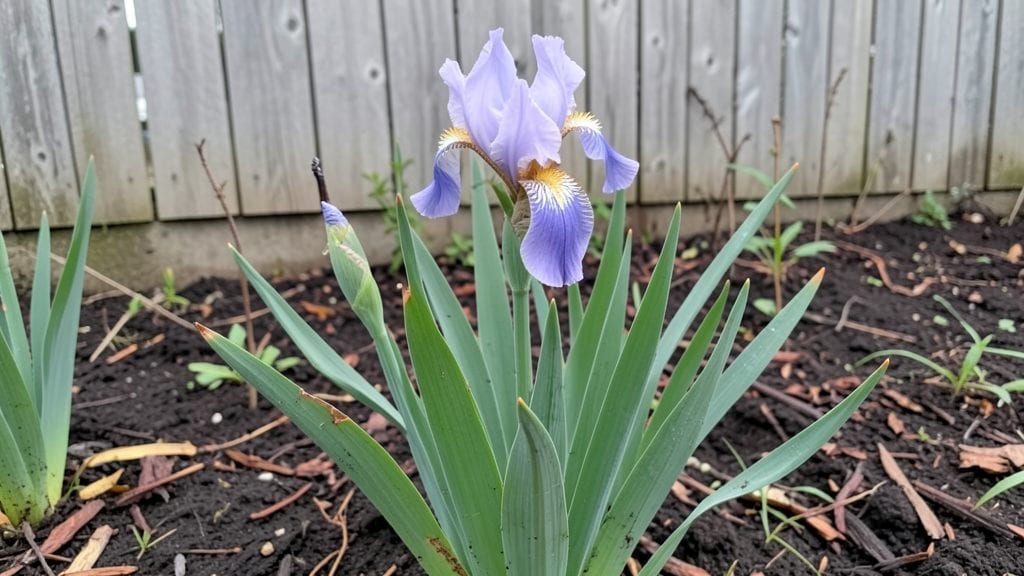
The iris plant bloom time in USDA Zone 6a typically unfolds between late April and early June 🌸, but the exact window depends on your iris type and a few key growing conditions.
Wondering why your iris plants are blooming later—or not at all? Timing is everything when it comes to iris blooms, and with the right knowledge, you can extend their vibrant shows by weeks.
Let’s uncover the secrets behind their bloom cycles and how to coax your irises into their longest, brightest display yet.
Most gardeners know irises thrive in full sun, but did you know that overwatering or skipping spring fertilizer can delay blooms by weeks? The right balance of sunlight, soil, and pruning can shift your iris’s peak season by 30 days or more, turning a lackluster display into a showstopper.
In this guide, I’ll break down the science behind iris bloom timing—from bearded irises that burst into color in May to Siberian irises that bloom later in June—and share the simple adjustments that make all the difference.


Natural iris bloom time: seasonal patterns by climate Zone
Iris blooms are one of nature’s most reliable spring spectacles—but their timing varies dramatically by USDA zone and iris variety. In my Zone 6a garden, my bearded irises burst into color by mid-April, while my Siberian irises wait until late May.
These differences stem from how each type responds to temperature shifts and daylight hours. Understanding your local patterns lets you choose irises that align with your desired bloom window.
Most gardeners assume irises bloom only in spring, but Japanese irises and some reblooming varieties surprise us with fall displays. In USDA Zone 7, I’ve seen late-season blooms as late as October when nights stay mild.
The key lies in recognizing whether your irises are spring ephemerals (like most bearded types) or extended-season performers (like Siberians). Let’s break down what to expect where you live.
| USDA Zone | Primary Bloom Window | Key Varieties | Microclimate Notes |
|---|---|---|---|
| 3-5 | Late May - Early June | Arilbred, Siberian | Cold snaps delay blooms; protect with mulch |
| 6-7 | Mid-April - May | Bearded, Japanese | Urban heat islands may trigger early blooms |
| 8-9 | March - April (spring) + Sept-Oct (fall) | Reblooming bearded, Louisiana | Coastal areas extend fall blooms by 3-4 weeks |
| 10 | February - March + August-Sept | Spanish, Dutch | Mild winters allow year-round growth |
Your iris type determines whether you’ll get one big spring show or multiple smaller displays. Bearded irises, the most common variety, typically bloom for just 2-3 weeks in spring, while Siberian irises stretch their show over 4-6 weeks. Japanese irises often bloom later but produce lush foliage that lasts all season.
If you’re in Zone 8+, consider reblooming varieties like 'Florence Scott'—they’ll give you both spring and fall color.
Sunlight exposure is the single biggest factor in bloom timing. My Zone 6a irises planted in full sun bloom 2-3 weeks earlier than those in partial shade. Irises need 6+ hours of direct sunlight daily to trigger blooming, but too much afternoon sun in hot climates can stress plants.
In Zone 9, I’ve seen irises bloom in February when planted near reflective surfaces that amplify light. Test your garden’s microclimates by moving a few plants to sunnier/shadier spots next year.
Temperature shifts also play a critical role. Most irises need a period of cool dormancy (40-50°F) to set flower buds. In Zone 5, I’ve noticed that irises planted near evergreen trees bloom later because the trees create a cooler microclimate.
Conversely, irises near south-facing walls in Zone 7 often bloom 10-14 days earlier due to radiant heat. Pay attention to where your irises receive both sun and temperature fluctuations.
Identifying your iris type is the first step to predicting bloom time. Bearded irises have fuzzy "beards" on their lower petals, while Siberian irises lack these and have slender, grass-like foliage. Japanese irises grow in clumps with broad, sword-like leaves.
If you’re unsure, check the leaf width—bearded irises have leaves about 1 inch wide, while Siberians are narrower at ½ inch. This distinction helps you match varieties to your climate’s natural rhythms.
Regional microclimates can shift bloom times by weeks. Coastal areas in Zone 8 often see irises bloom 2-3 weeks earlier than inland locations due to mil
5 Proven techniques to extend iris bloom time naturally
Irises are famous for their bold, show-stopping blooms, but many gardeners struggle with short-lived displays. The key to longer iris bloom time lies in understanding their natural cycles and applying science-backed techniques.
With the right approach, you can transform a 2-week bloom into a 4-6 week spectacle—without chemicals or gimmicks. Let’s dive into the methods that actually work.
First, recognize that iris bloom time is heavily influenced by three factors: soil health, watering patterns, and pruning timing. Unlike many perennials, irises store energy in their rhizomes, which means what you do in the off-season directly impacts next year’s blooms.
Small adjustments—like deep watering or phosphorus-rich fertilizers—can make a dramatic difference in both bloom duration and flower quality.
Cut back faded blooms immediately after they wilt, but never trim the leaves until they turn brown. Leaves feed rhizomes for next year’s blooms—removing them too early shortens bloom time by starving the plant.
Irises thrive in slightly acidic to neutral soil. Test your soil—if pH is below 6.0, add lime; if above 7.0, use sulfur. The right pH ensures nutrient uptake, which directly extends bloom duration.
Irises hate wet feet. Water deeply 1-2 times per week (1 gallon per plant) instead of daily shallow watering. This encourages strong rhizome development, which translates to longer, healthier blooms.
A 5-10-10 fertilizer (high in phosphorus) in March or April boosts bloom production. Avoid nitrogen-heavy feeds—too much leaf growth at the expense of flowers will shorten your display.
Overcrowded irises bloom less. In late summer, dig up clumps, separate rhizomes with fan-like roots, and replant. This rejuvenates plants, leading to more abundant, longer-lasting blooms the following season.
Timing is critical when it comes to iris care for longer blooms. For example, if you’re growing bearded irises, their peak bloom window is April to early May.
To extend this, start your spring fertilization in early March and ensure your soil is well-draining. Stagnant water around rhizomes can trigger rot, which cuts bloom time short.
Don’t overlook the post-bloom recovery phase. After your irises finish flowering, let the leaves photosynthesize until they naturally yellow. This stores energy for next year’s blooms. If you cut leaves too soon, you’ll see fewer flowers and a shorter bloom period the following season.
Think of it as banking energy for your irises’ future displays.
For fall-blooming varieties like Siberian irises, the rules shift slightly. These types bloom in late summer to early fall and benefit from light fertilization in July rather than spring. The key is matching your care routine to your iris’s natural bloom cycle—not forcing a one-size-fits-all approach.
By combining these 5 techniques, you’ll not only extend your iris bloom time but also enjoy healthier plants with vibrant, longer-lasting flowers. Start with one or two methods this season, then build from there.
Your irises will thank you with a prolonged, stunning show that turns heads in your garden. 🌸