
Blooming
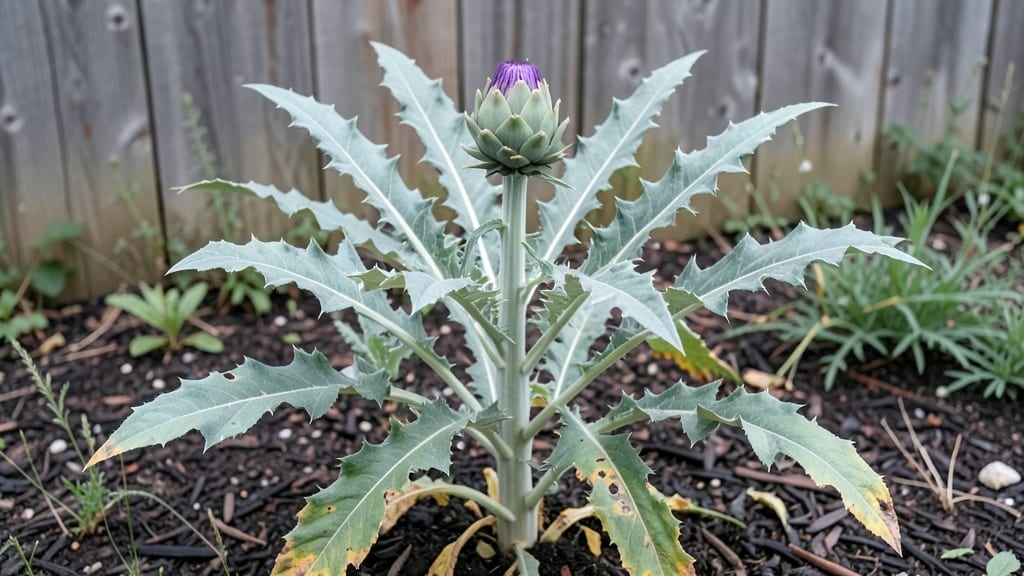
Artichoke plants bloom with shocking purple-blue flowers that steal the show—if you know how to coax them into producing those edible buds instead. 🌿 I’ve watched my plants go from stubborn stalks to prolific producers after learning the pruning tricks that turn side shoots into harvestable treasure.
The key isn’t just cutting back; it’s timing those cuts to maximize energy flow toward the buds you actually want to eat.
Most gardeners miss the first critical step: removing the main flower stalk as soon as it appears. That might seem counterintuitive, but it forces the plant to put its energy into developing side shoots where the real harvest happens.
You’ll need sharp pruners, a sunny spot with well-draining soil, and patience—these plants take about 90 days from transplant to harvest, but the payoff is worth it. The secret weapon? Regular watering and a light feeding of nitrogen-rich fertilizer every few weeks to keep the foliage lush and growing.
By mid-summer, you’ll see those familiar fuzzy buds forming along the stems, and with proper pollination support (like inviting bees into your garden), you’ll get a steady supply of tender artichokes straight from your yard.
The texture of a freshly picked artichoke—still firm but yielding slightly at the base—is something store-bought can’t match. Plus, each plant can produce 20-30 edible buds per season if you follow the pruning rhythm.
This method works for both globe and French green artichokes, and even in cooler climates if you start plants indoors in early spring. The only real challenge? Avoiding over-pruning, which can stress the plant.
Stick to the one-third rule—never remove more than a third of the plant’s foliage at once—and you’ll keep those purple blooms coming year after year.
📚 In This Guide
- What you need
- Instructions
- Tips and common mistakes
- Wrapping up and next steps
What you need
- ● Artichoke plants: 1–3 mature plants (choose varieties like Globe or Green Globe for reliable blooms).
- ● Well-draining soil: 1–2 cubic yards of a mix of 60% garden soil, 30% compost, and 10% perlite/sand (artichokes hate soggy roots!).
- ● Sunlight: A spot with full sun (6+ hours/day)—no compromises!
- ● Watering can or hose: With a gentle spray nozzle to avoid damaging tender blooms.
- ● Pruning shears: Bypass-style (sharp, clean cuts to prevent disease).
- ● Balanced fertilizer: 10-10-10 or 5-5-5 (apply every 4–6 weeks during growing season).
- ● Mulch: 2–3 inches of straw or wood chips to retain moisture and regulate soil temp.
- ○ Support stakes or cages: Optional but helpful for large varieties (e.g., 4–6 ft tall stakes).
- ● Epsom salt: 1 tbsp/month in water (boosts magnesium for lush blooms).
- ● Drip irrigation system: For consistent moisture (artichokes love it!).
- ● Garden gloves: To protect your hands while pruning.
- ● Plant tags: To track varieties and pruning dates.
- ● Compost tea: Weekly spray for a nutrient boost (homemade or store-bought).
How to encourage artichoke plant bloom through strategic pruning
Transform your artichoke plants into a year-round flowering powerhouse with these pruning techniques.
🌱 Step 1: Identify and Remove Weak Growth Early
Start by inspecting your artichoke plants for any stems that are thin, pale, or growing in odd directions. These are weak shoots that won’t produce strong blooms. Use clean, sharp pruning shears to snip them at the base—just above a leaf node where new growth can emerge. I always do this in early spring, right after the last frost, when new shoots are about 2 inches tall.
Here’s the thing—artichokes channel energy into their strongest stems. By removing weak growth early, you force the plant to focus on developing robust branches that will eventually bear those iconic purple buds. Watch for new shoots emerging within 2-3 weeks—that’s your signal the plant is redirecting energy.
✂️ Step 2: Prune for Airflow and Light Penetration
Once your artichoke plants reach 18-24 inches tall, it’s time to shape them for maximum bloom potential. Focus on removing any stems that are crossing or rubbing against each other—they’ll create wounds that invite disease. Also, trim back any overcrowded branches growing too close to the center of the plant. This opens up the canopy so sunlight reaches all parts of the plant.
I like to do this on a dry, sunny morning when the plants are actively growing. After pruning, step back and visualize how light will now hit different parts of the plant. You’ll see new side shoots emerge within 10-14 days—these are your future bloom producers. Just remember, never remove more than ⅓ of the plant’s foliage at once.
☀️ Step 3: Encourage Bloom Production With Strategic Trimming
When your artichoke plants start showing flower buds, shift your focus to maintaining their energy. Remove any spent blooms immediately after they fade—this prevents the plant from wasting energy on seed production. But here’s the secret: leave the first few buds on each stem. These will become your largest, most impressive artichokes.
I also trim back any side shoots that appear after the main buds form, unless they’re growing toward the center. This keeps the plant’s energy focused on developing those primary blooms. You’ll notice the remaining buds swell noticeably within 3-4 weeks, signaling they’re ready to open into full artichoke flowers.
⏰ Step 4: Late-Season Pruning for Winter Hardiness
As temperatures drop and growth slows in late fall, give your artichoke plants one final pruning. Cut back all dead or damaged foliage, but leave the stems intact unless they’re completely brown and brittle. This protects the plant’s energy reserves over winter. I also remove any remaining flower stalks that haven’t produced artichokes—these can sap energy the plant needs to survive cold snaps.
After pruning, apply a 2-3 inch layer of mulch around the base to insulate the roots. You’ll see new growth emerge in early spring from the same root system, proving your winter prep paid off. This final step ensures your artichokes come back stronger next year, ready to bloom again.
Tips & tricks for perfect artichoke plant bloom
Here’s what nobody tells you about keeping your artichokes flowering like clockwork—these little details make all the difference.
The Right Time Factor: Early spring pruning right after the last frost is crucial because artichoke plants need to be actively growing to respond to pruning. If you wait too long, you’ll miss the window for redirecting energy to strong stems. I’ve seen plants that were pruned too late in spring struggle to produce blooms that season. Mark your calendar for that first warm weekend after frost—your future artichokes will thank you!
Tool Selection Matters: Never use dull or rusty pruning shears—they can tear stems and create entry points for disease. I keep a pair of clean, sharp bypass pruners dedicated just to my artichokes. For larger branches, I use a small hand saw. Always sterilize your tools with rubbing alcohol between cuts to prevent spreading any potential pathogens. Trust me on this—healthy cuts mean healthier plants.
Visual Growth Cues: In Step 3, when you’re deciding which buds to leave, look for the ones that are slightly larger and more upright. These are your winners! The buds that swell noticeably within 3-4 weeks will be your most impressive artichokes. I also watch for the color—healthier buds develop a deeper purple hue. If you see buds that stay small or turn yellow, they’re not getting enough energy and should be removed.
Mulch Depth Wisdom: That 2-3 inch layer of mulch in Step 4 isn’t just arbitrary—it’s the Goldilocks zone for root insulation. Too little won’t protect roots from temperature swings, while too much can suffocate the plant. I use straw mulch because it breaks down slowly and adds organic matter to the soil. Apply it after pruning but before the first hard frost for maximum protection.
Pro Tips for Artichoke Plant Bloom
- Here’s what nobody tells you about keeping your artichokes flowering like clockwork—these little details make all the difference.
- The Right Time Factor: Early spring pruning right after the last frost is crucial because artichoke plants need to be actively growing to respond to pruning.
- Tool Selection Matters: Never use dull or rusty pruning shears—they can tear stems and create entry points for disease.
Frequently asked questions
Got questions about artichoke plant blooms? You’re not alone!
Here are some of the most common ones—plus practical tips to keep your plants thriving year-round.
When do artichoke plants bloom, and how long does it last?
Artichoke plants typically bloom in late spring to early summer, with vibrant purple or blue flowers that last 1–2 weeks per bloom. If pruned correctly (as covered in the article), they can produce multiple blooms throughout the growing season—even into fall with proper care!
Why aren’t my artichoke flowers opening, or are they wilting?
Wilting or unopened blooms often signal stress—check for underwatering, overcrowding, or pests (like aphids). Ensure your plant gets 6+ hours of sunlight daily and well-draining soil. If blooms appear but don’t open, it could be temperature shock (too hot/cold) or nutrient deficiency. Try a balanced fertilizer!
Can I eat the artichoke flowers, or are they purely decorative?
Edible artichoke varieties
(like ‘Green Globe’) produce tender, flavorful buds before the flower fully opens. Harvest them when the petals start separating—just snip the stem and boil or steam. Decorative varieties (like ‘Purple Globe’) are best left for show.
How do I encourage more blooms on my artichoke plant?
Pruning is key! Deadhead spent blooms to redirect energy, and trim back overgrown stems by 1/3 in early spring. Feed with phosphorus-rich fertilizer (like 10-20-10) to boost flowering. Well-draining soil and regular watering (but no soggy roots!) also help. Repeat pruning after each bloom cycle for a continuous display!
What can I do if my artichoke plant isn’t blooming at all?
No blooms? It might be too young (artichokes take 2–3 years to mature), underfed, or stressed. Try these fixes:
Patience helps—some varieties bloom more reliably in warmer climates!
Wrapping up and next steps
Watching your artichoke plant bloom year after year is a rewarding experience—one that blends beauty, sustainability, and delicious harvests! 🌿 By mastering the art of strategic pruning, you’ll not only encourage vibrant blooms but also prolong your plant’s life and productivity.
Whether you’re a seasoned gardener or just starting, these secrets make it simple to transform your garden into a lush, ever-blooming oasis.
Ready to take the next step? Start by observing your plant’s growth patterns and experiment with pruning techniques tailored to your climate. Before you know it, you’ll be enjoying both stunning flowers and homegrown artichokes—all while keeping your garden thriving! 🌸✨