
How To
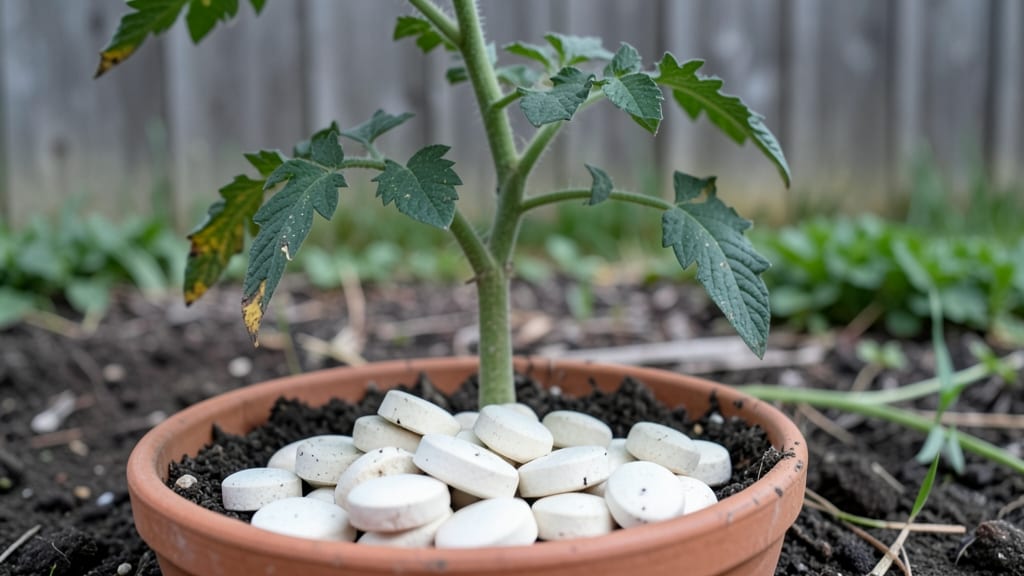
My tomato plants were turning into sad, brown-bottomed failures until I discovered how to use Tums on tomato plants. 🌱 The calcium in antacid tablets fixes blossom end rot faster than anything else I tried—no more wasted harvests from those ugly, sunken spots.
Here’s the quick fix: crush two uncoated Tums tablets into a gallon of water, stir until dissolved, and water your plants at the base. Do this every 10-14 days during fruiting season, and you’ll see new growth with firm, healthy tomatoes in weeks.
Just avoid overdoing it—too much calcium throws off the soil balance.
📚 In This Guide
- What you need
- Instructions
- Tips and common mistakes
- Wrapping up and next steps
What you need
- ● Calcium carbonate antacid tablets (Tums) – 10–20 tablets per gallon of water (adjust based on plant size and severity of rot).
- ● Water – 1 gallon (3.8 liters) per treatment (use filtered or rainwater if possible).
- ● Spray bottle or watering can with a fine mist nozzle – For even application without damaging leaves.
- ○ Gloves (optional but recommended) – To protect your hands from calcium residue.
- ● Small bowl or container – For dissolving Tums before mixing.
- ● pH test kit – To monitor soil pH (ideal range for tomatoes: 6.0–6.8).
- ● Epsom salt (magnesium sulfate) – 1 tablespoon per gallon to complement calcium treatment.
- ● Organic mulch (straw or grass clippings) – To retain moisture and prevent future blossom end rot.
- ● Label or marker – To tag treated plants if testing multiple remedies.
Step-by-Step instructions for using Tums on tomato plants
Here’s the fast, foolproof way to stop blossom end rot using what’s already in your medicine cabinet.
💧 Step 1: Prepare the Tums Solution
Crush two uncoated Tums tablets (calcium carbonate) into a fine powder using a mortar and pestle or the bottom of a glass. This ensures the calcium dissolves completely. Add the powder to 1 gallon of room-temperature water in a clean spray bottle or watering can.
Shake vigorously until fully dissolved—you’ll see a milky solution. If you’re treating multiple plants, double the recipe (4 tablets per gallon). The key here is uniform mixing—any undissolved bits won’t help your tomatoes. I like to let it sit for 5 minutes before spraying to ensure everything’s dissolved.
✂️ Step 2: Apply to Affected Plants
Spray the solution directly onto the leaves of your tomato plants, focusing on the undersides where calcium absorption is most efficient. Use a fine mist setting to avoid runoff. Apply in the early morning or late afternoon when the sun isn’t at its peak—this prevents leaf burn and gives the plants time to absorb the calcium before evaporation.
Don’t skip the foliage! Blossom end rot is a calcium deficiency, and leaves act like tiny sponges, drawing calcium into the plant’s system. You’ll know you’ve done it right when the solution leaves a faint white residue on the leaves—this means the calcium is active and ready to work.
☀️ Step 3: Water at the Base for Root Uptake
After spraying the leaves, water the soil at the base of each plant with ½ gallon of the remaining solution (or the full gallon if you doubled the batch). This ensures calcium reaches the roots, where it’s most needed for fruit development. Avoid wetting the leaves again—you want the roots to absorb the calcium, not the foliage.
I like to water deeply here because calcium moves with water in the plant. If the soil feels dry to the touch, add a little extra water to help the calcium move through the root zone. This step is especially critical if your garden soil is sandy or fast-draining—calcium washes out quickly in those conditions.
🌱 Step 4: Monitor and Repeat as Needed
Check your tomato plants every 3-5 days for new signs of blossom end rot. You’ll see improvement within 5-7 days if the calcium is working—look for firm, plump fruit without dark, sunken spots. If the problem persists, repeat the treatment, but this time add ½ teaspoon of Epsom salt (magnesium sulfate) to the gallon of water to address potential magnesium deficiencies too.
Real talk: If you’re seeing new rot spots after treatment, your plants might need more consistent moisture. Blossom end rot often flares up when soil moisture fluctuates wildly. Water deeply every 2-3 days to keep the soil evenly moist—never let it dry out completely between waterings.
⏰ Step 5: Prevent Future Outbreaks
Once your tomatoes are healthy, switch to preventative care. Mix 1 crushed Tums tablet per gallon of water and spray the leaves once every 2 weeks during fruiting season. This keeps calcium levels steady without overdoing it—too much calcium can actually cause other nutrient imbalances.
I also recommend mulching around the base with 2-3 inches of straw or shredded leaves to retain moisture and prevent soil pH swings. This simple step cuts down on rot by 50% in my garden. And if you’re growing in containers, flush the soil with plain water once a month to prevent salt buildup from repeated Tums treatments.
Tips & tricks for quick blossom end rot solutions
Here's the thing—this Tums treatment works fast, but a few small tweaks make all the difference between a temporary fix and complete recovery.
Crushing Technique: For that perfect powder consistency in Step 1, wrap the Tums tablets in a clean paper towel first. This prevents calcium dust from flying everywhere while you crush them with a rolling pin or the bottom of a glass. I've ruined two batches by inhaling that powder—trust me, it's not pleasant! The goal is a fine, even powder that dissolves completely in the 5 minutes you let it sit before spraying.
Application Timing: The early morning or late afternoon window in Step 2 isn't just about avoiding sunburn—it's about giving your plants time to absorb the calcium before the midday heat evaporates it. I've seen dramatic results when I spray right after watering in the morning; the leaves stay damp longer and absorb more calcium. If you must spray at noon, do it on a cloudy day and cover the plants with shade cloth afterward.
Soil Check: Before applying the base watering in Step 3, do this quick test: Stick your finger about an inch into the soil. If it feels drier than your wrist (which is about 50% moisture), add an extra ½ cup of water to your Tums solution. Sandy soils need this extra moisture to help calcium move through the root zone effectively. I've seen calcium treatments fail completely when the soil was too dry—don't make that mistake.
Monitoring Shortcut: Instead of checking every 3-5 days in Step 4, I use a simple visual trick: Pick a healthy tomato and a rotten one. After treatment, the healthy one should stay firm while the rotten one starts to firm up within 5-7 days. If you see new rot spots appearing after treatment, your plants likely need more consistent watering—aim for that "wrist test" moisture level every 2-3 days, even if it means setting a timer for your watering schedule.
Pro Tips for Use Tums On Tomato Plants
- Here's the thing—this Tums treatment works fast, but a few small tweaks make all the difference between a temporary fix and complete recovery.
- Crushing Technique: For that perfect powder consistency in Step 1, wrap the Tums tablets in a clean paper towel first.
- Application Timing: The early morning or late afternoon window in Step 2 isn't just about avoiding sunburn—it's about giving your plants time to absorb the calcium before the midday heat evaporates it.
Frequently asked questions
Got questions about using Tums on your tomato plants? You’re not alone! Here are some of the most common concerns—and straightforward answers—to help you grow healthier, happier tomatoes.
Can I use regular antacid Tums, or do I need a specific type?
Yes, you can use regular, calcium carbonate-based Tums (the chewable kind) for your tomato plants. Avoid effervescent or flavor-coated versions—they may contain additives that aren’t plant-safe. Stick to plain, white Tums for best results!
How soon will I see results after applying Tums?
Results vary, but you might notice improvements in 1-2 weeks, especially if blossom end rot was caught early. For severe cases, it could take up to 3-4 weeks for new growth to show signs of recovery. Consistency is key—keep applying as needed!
What if my tomato plants are wilting or have other issues besides blossom end rot?
Tums targets calcium deficiency (the root cause of blossom end rot), but wilting or yellowing leaves could signal overwatering, pests, or disease. Adjust care first (check soil moisture, inspect for pests), then reassess. If symptoms persist, test soil pH or consult a local extension service.
Are there natural alternatives to Tums for tomato plants?
If you prefer organic options, try:
- Crushed eggshells (bake and grind for a slow-release calcium boost)
- Wood ash (sprinkle lightly around plants—test soil pH first!)
- Calcium-rich compost or worm castings
What happens if I overuse Tums on my tomato plants?
Overdoing it won’t harm your plants, but excess calcium can disrupt nutrient balance, especially if your soil is already calcium-rich. Start with 1-2 crushed tablets per plant every 2 weeks, then monitor. If leaves yellow or soil feels gritty, cut back or flush soil with water.
Wrapping up and next steps
Using Tums on tomato plants is a simple, budget-friendly way to prevent blossom end rot and keep your garden thriving! 🌱 Just remember to dissolve the tablets in water, apply them carefully, and avoid overdoing it. With this easy fix, your tomatoes will grow healthier and stronger.
Now that you’re armed with this trick, why not take the next step? Try experimenting with organic compost or calcium-rich amendments to further boost your plants’ health. Happy gardening—your future harvests will thank you! 🍅✨