
Companion Plants
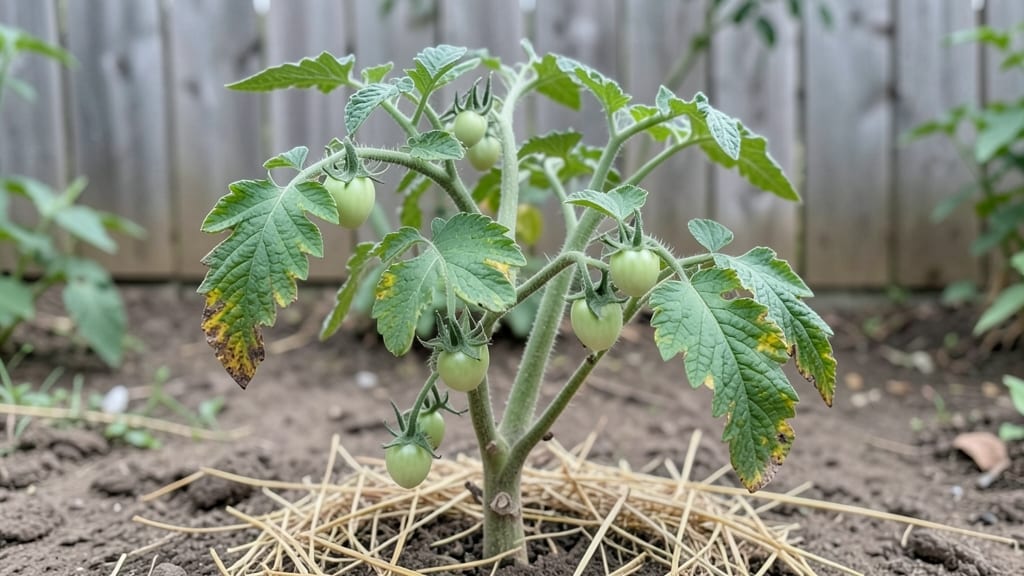
When your tomato plants go limp overnight, panic isn’t helpful—what is helpful is knowing exactly how to diagnose and fix the problem. 🌱 I’ve nursed back more droopy vines than I can count, and these three fixes have saved my harvests time and again, whether the issue is water, disease, or hidden pests.
The first step is always checking the roots and soil: too-wet or too-dry conditions are the most common culprits. Overwatering creates root rot, while underwatering causes leaves to curl and stems to weaken.
Even a quick soil probe with a screwdriver can tell you if moisture’s the issue—if it sticks, you’re overdoing it; if it falls away, it’s time to water deeply.
Once you’ve ruled out water, look for yellowing leaves (nutrient deficiency) or dark spots (fungal infections like early blight). Prune away damaged foliage immediately to improve airflow, and switch to drip irrigation if you’ve been watering from above.
Within days, you’ll see firmer stems and new growth as the plant recovers.
For long-term resilience, mulch heavily to retain moisture, rotate crops next season, and choose disease-resistant varieties like ‘Celebrity’ or ‘Mountain Merit.’ These fixes work for both container and in-ground tomatoes, and they’ll keep your vines standing tall through heat waves and rainstorms alike.
Root Causes Of Floppy Vines
When your tomato plants start looking like they’ve had one too many margaritas, it’s usually a cry for help from their roots—or something else critical. Understanding the why behind limp tomato plants is the first step to turning them around.
Below, we break down the most common culprits, backed by science, so you can diagnose and fix the issue fast.
Tomatoes hate soggy feet. When roots sit in waterlogged soil, they suffocate from a lack of oxygen—a condition called anaerobic stress. This disrupts nutrient uptake, leading to wilting even when the soil feels damp.
- Why it happens: Excess water forces oxygen out of soil pores, and roots can’t respire properly.
Over time, this weakens cell structure, causing stems to flop. - Red flags: Yellowing leaves, mushy roots, or soil that smells like rot. - Quick fix: Let the top 1–2 inches of soil dry out between waterings. Amend heavy clay soil with compost or perlite to improve drainage.
Tomatoes are thirsty plants, especially in hot weather. When they don’t get enough water, their turgor pressure (the water pressure keeping cells rigid) drops, making leaves and stems droop.
- Why it happens: Underwatering causes osmotic stress, where roots can’t pull up enough moisture to maintain cell rigidity.
Heatwaves make this worse by increasing evaporation rates. - Red flags: Dry, crispy leaf edges, soil pulling away from pot edges, or plants wilting by midday. - Quick fix: Water deeply 1–2 inches per week (more in extreme heat).
Use mulch to retain moisture and shield roots from temperature swings.
Limp tomatoes aren’t always about water—they might be starving. Key nutrients like nitrogen, potassium, and calcium keep vines strong. Without them, stems weaken, and leaves yellow or curl.
| Nutrient | Deficiency Signs | Solution |
|---|---|---|
| Nitrogen (N) | Yellowing lower leaves (chlorosis) | Side-dress with compost or blood meal |
| Potassium (K) | Weak stems, brown leaf edges | Feed with banana peel tea or potash |
| Calcium (Ca) | Blossom-end rot, stunted growth | Apply crushed eggshells or lime |
| Magnesium (Mg) | Yellow patches between leaf veins (interveinal chlorosis) | Use Epsom salt (1 tbsp/gallon water) |
Sap-sucking pests like aphids, spider mites, or whiteflies drain plant energy, causing wilting. Fungal diseases (e.g., early blight or fusarium wilt) can also clog xylem vessels, preventing water transport.
- Why it happens: Pests pierce cells, while diseases block nutrient pathways. Both lead to systemic dehydration and structural collapse. - Red flags: Sticky residue (honeydew), webbing, or dark spots on leaves/stems. - Quick fix: Spray with neem oil or insecticidal soap for pests.
Remove infected leaves and improve airflow to prevent fungal spread.
If roots circle the pot (root-bound) or soil is too dense, they can’t absorb water or nutrients efficiently. This restricts growth and causes stunted, floppy vines.
- Why it happens: Roots need space to expand. In containers, they’ll strangle themselves if unchecked.
Compacted soil (common in clay) suffocates roots, limiting oxygen and water access. - Red flags: Roots growing out of drainage holes, slow growth, or soil that stays wet for days. - Quick fix: Repot into a larger container with fresh potting mix.
For garden beds, loosen soil with a fork and mix in compost.
Tomatoes thrive in warm (70–85°F) conditions. Extreme heat, cold snaps, or relentless wind can shock plants, causing temporary wilting.
- Why it happens: Heat causes transpiration rates to outpace water uptake, while cold slows metabolic processes.
Wind desiccates leaves faster than roots can replenish moisture. - Red flags: Sudden droop after a heatwave or storm, crispy leaf edges. - Quick fix: Provide shade cloth in extreme heat or windbreaks (like burlap screens). Mulch helps regulate soil temperature.
Newly planted tomatoes often wilt because their roots are trauma-stressed from uprooting. Even if soil moisture is fine, the plant may not be able to absorb it yet.
- Why it happens: Root damage disrupts water and nutrient uptake.
It can take 1–2 weeks for roots to regenerate and re-establish. - Red flags: Wilting within days of transplanting, despite proper watering. - Quick fix: Water deeply before transplanting, use root stimulator (like mycorrhizal fungi), and avoid fertilizing for 1–2 weeks post-planting.
Pro Tip: 💡 Before diagnosing, check the soil moisture with your finger—if it’s dry 1–2 inches down, water is likely the issue. If it’s soggy, drainage or overwatering is the culprit.
Revive Your Tomato Plants Now
If your tomato plants are looking limp, droopy, or weak, don’t panic—there’s a solution for every problem! Below, we’ve mapped out practical fixes based on the most common causes, along with prevention tips to keep your vines strong and productive.
Follow these steps to bring your tomatoes back to life and ensure a bountiful harvest.
Fix: The first step is to stop watering immediately if the soil is soggy. Let the top 1-2 inches dry out before watering again—tomatoes hate "wet feet."
- 🔥 Improve drainage by adding perlite, sand, or compost to heavy clay soil.
- ⏰ Water deeply but less frequently—early morning is best to prevent fungal diseases.
- 👨🍳 Use raised beds or containers if your garden soil drains poorly.
💡 Prevention Tip: Test your soil’s moisture by sticking your finger in—if it’s damp past 2 inches, hold off on watering.
Fix: If the soil is dry and crispy, water thoroughly until it runs out the drainage holes (for potted plants).
- 🍳 Apply mulch (straw, grass clippings, or wood chips) to retain moisture and cool roots.
- 🌡️ Provide afternoon shade with shade cloth if temperatures exceed 90°F (32°C).
- 🎯 Water at the base (not overhead) to avoid evaporation and fungal issues.
💡 Prevention Tip: Drip irrigation or soaker hoses deliver water directly to roots, reducing stress.
Fix: If your plants are small, yellowing, or stunted, they may need a nutrient boost.
- 🥗 Fertilize with a balanced tomato feed (10-10-10 or 5-5-5) every 2-3 weeks after flowering.
- 🍎 For potted tomatoes, repot into a larger container if roots are circling the bottom.
- 🌿 Add compost or worm castings for a slow-release nutrient boost.
💡 Prevention Tip: Side-dress with compost halfway through the season to keep nutrients flowing.
Fix: Check for aphids, whiteflies, or fungal spots—these can weaken plants quickly.
- 🔪 Spray with neem oil or insecticidal soap for pests (follow label instructions).
- 🌡️ Remove affected leaves and destroy them to prevent spread.
- 🎯 Improve airflow by pruning crowded foliage and spacing plants properly.
💡 Prevention Tip: Rotate crops yearly and plant companion herbs (like basil or marigolds) to deter pests.
- 🔥 Trim damaged leaves to redirect energy to healthy growth.
- 🍳 Stake or cage weak plants to support them as they recover.
- ⏰ Monitor closely—if no improvement in 3-5 days, reassess the cause.
With these fixes, your tomato plants should perk up within days—and you’ll be back to enjoying juicy, homegrown tomatoes in no time! 🍅✨
Frequently asked questions
Why do my tomato plants suddenly go limp even when the soil feels moist?
Overwatering is the most common cause—tomatoes hate soggy roots! When soil stays too wet, roots suffocate from lack of oxygen, causing anaerobic stress that weakens stems. Check for mushy roots or a rotten smell. Let the top 1-2 inches dry out between waterings and improve drainage with compost or perlite.
Can I save tomato plants that wilted from underwatering?
Yes! Water deeply until it runs out drainage holes, then mulch heavily to retain moisture. For potted plants, soak the soil for 10-15 minutes to fully rehydrate roots. Provide afternoon shade if temperatures exceed 90°F to reduce evaporation. Most plants perk up within 24-48 hours with proper care.
How do I tell if limpness is from pests vs. disease?
Check the undersides of leaves for aphids, spider mites, or whiteflies (pests leave sticky residue). Diseases like early blight show as dark spots with yellow halos. Pests cause wilting by draining sap, while diseases clog water transport. Treat pests with neem oil and remove infected leaves immediately.
Will pruning help limp tomato plants recover?
Prune away yellowed, damaged, or crowded leaves to improve airflow and redirect energy to healthy growth. Focus on removing leaves touching soil to prevent disease. Use a clean, sharp pruner and avoid cutting more than ⅓ of the foliage at once. Support weak stems with stakes or cages while they recover.
How long does it take for tomato plants to recover from wilting?
With proper care, most plants show improvement within 24-48 hours if the issue is water-related. Nutrient deficiencies may take 5-7 days to show recovery, while pest/disease treatment can take 1-2 weeks. Monitor closely—if no progress after 5 days, reassess the root cause or consult a local gardening expert.