
Fertilization
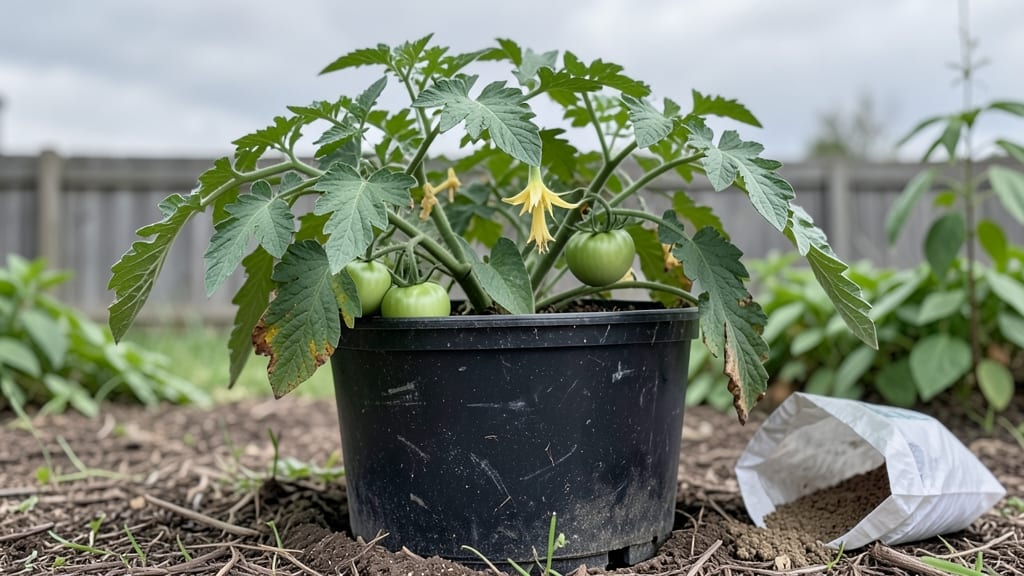
Learn how to use plant fertilizer properly, and watch weak stems transform into strong, vibrant growth in just weeks. I learned this the hard way—over-fertilizing my tomatoes last spring left me with burnt leaves and stunted fruit.
The secret isn’t just dumping granules in the soil; it’s timing, type, and technique that make all the difference.
Start with the right fertilizer for your plants: vegetables need balanced NPK (10-10-10), flowers thrive on phosphorus-heavy mixes, and lawns prefer high-nitrogen blends. Liquid fertilizers work fastest—just mix with water and apply every 2-4 weeks—but slow-release granules last longer with less effort.
Always check the label for application rates, because too much is just as bad as too little.
You’ll see the results in 2-4 weeks of consistent feeding: deeper green leaves, stronger stems, and more blooms or fruit. The key is consistency—don’t skip feedings mid-season, and always water before applying fertilizer to prevent root burn.
For container plants, cut the recommended dose in half to avoid overloading tiny root systems.
This method works for everything from houseplants to vegetable gardens, and it’s especially great for beginners who want fast, reliable growth without guesswork. Let’s get your plants growing like they’ve been on a growth spurt—without the stress.
📚 In This Guide
- What you need
- Instructions
- Tips and common mistakes
- Wrapping up and next steps
What you need
- ● Plant fertilizer – Choose a type suitable for your plants (e.g., granular, liquid, or slow-release). For most houseplants, a balanced 10-10-10 or 20-20-20 NPK ratio works well. For flowering plants, opt for a higher phosphorus (e.g., 10-20-10) formula.
- ● Watering can or spray bottle – For diluting liquid fertilizers or gently applying them.
- ● Measuring spoon or dropper – To accurately measure fertilizer doses (e.g., 1 tsp per gallon of water for liquid fertilizers).
- ○ Gloves (optional but recommended) – Protects your hands from direct contact with fertilizers.
- ● Plant soil or growing medium – Ensure it’s well-draining to prevent root burn.
- ● pH testing kit – To check soil acidity (ideal range: 6.0–7.0 for most plants). Adjust with lime or sulfur if needed.
- ● Fertilizer applicator or spreader – For even distribution of granular fertilizers.
- ● Timer or calendar – To track fertilization schedules (e.g., every 4–6 weeks for most plants).
- ● Plant food with micronutrients – Adds extra vitamins (e.g., iron, magnesium, or calcium) for nutrient-deficient soil.
- ● Compost or organic matter – Boosts soil health and fertility naturally.
Instructions for applying plant fertilizer correctly
Here's how to feed your plants for rapid, healthy growth without overdoing it.
Read and Choose the Right Fertilizer Type
First, check the label for the NPK ratio (nitrogen, phosphorus, potassium) and match it to your plant's needs. Fast-growing vegetables like lettuce and spinach thrive on a higher nitrogen ratio (like 5-10-5), while flowering plants need more phosphorus (like 10-20-10). Organic fertilizers release nutrients slowly, while synthetic fertilizers act quickly—choose based on your timeline.
I always verify the application rate on the label, measured in pounds per 1,000 square feet or per gallon of water. For example, a 10-10-10 fertilizer might recommend 1 tablespoon per gallon for liquid feedings. Never guess—overfeeding can burn roots just as easily as underfeeding stunts growth.
Apply Fertilizer at the Right Time and Frequency
Timing matters more than most gardeners realize. For newly planted or young seedlings, I hold off on fertilizer for the first 2-3 weeks—they need time to establish roots before nutrient overload. Once established, apply fertilizer every 4-6 weeks during the growing season, or as directed on the label. Fast-growing plants may need biweekly feedings in peak season.
Water the soil thoroughly before applying fertilizer to prevent root burn. For granular fertilizers, sprinkle evenly over the soil surface and lightly scratch into the top ½ inch with a rake or hoe. For liquid fertilizers, mix the measured dose into a watering can and apply directly to the soil—not the leaves—until the water drains through. You'll see darker green leaves and sturdier stems within 1-2 weeks of proper feeding.
Monitor Plant Response and Adjust as Needed
Watch for visual cues to determine if your plants are getting the right amount. Yellowing leaves (especially older ones) often signal nitrogen deficiency, while dark green, glossy leaves mean you're feeding just right. If leaves develop brown or crispy edges, you've overdone it—flush the soil with plain water to dilute excess salts.
Adjust your feeding schedule based on plant behavior. If growth slows despite regular feeding, your plants might need a different NPK ratio or a micronutrient boost. I keep a small notebook by my garden to track which fertilizers work best for each plant—this way, next season is even faster and more precise.
Tips & tricks for perfect plant fertilizer application
These essential tips will help you maximize growth while avoiding common mistakes that slow down—or even harm—your plants.
NPK Ratio Precision: Pay close attention to the NPK ratio on your fertilizer label, as this determines the nutrient balance your plants receive. For example, a 5-10-5 ratio delivers twice as much phosphorus as nitrogen, ideal for flowering plants, while a 10-5-5 ratio supports leafy greens. I always double-check the label against my plant's needs—mismatched ratios can lead to stunted growth or poor flowering, even with proper application rates.
Timing is Everything: The 2-3 week wait for newly planted seedlings is non-negotiable—this gives roots time to establish without nutrient shock. Once established, stick to the 4-6 week schedule during the growing season, unless your fast-growing plants (like lettuce or spinach) need biweekly feedings. I mark my calendar with reminders to avoid overfeeding, which can be just as damaging as underfeeding.
Application Technique Matters: When applying granular fertilizers, lightly scratch them into the top ½ inch of soil to prevent surface burning. For liquid fertilizers, always apply to the soil—not the leaves—to avoid chemical burns. I use a watering can with a fine rose attachment to ensure even distribution, and I always water thoroughly beforehand to help dilute the fertilizer and protect delicate roots.
Monitor and Adjust: Visual cues are your best friend when determining if your plants are getting the right nutrients. Dark green, glossy leaves indicate proper feeding, while yellowing older leaves signal nitrogen deficiency. If you notice brown or crispy leaf edges, flush the soil immediately with plain water to reduce salt buildup. I keep a small notebook by my garden to track plant responses, which helps me adjust ratios or schedules for next season.
Pro Tips for Use Plant Fertilizer
- These essential tips will help you maximize growth while avoiding common mistakes that slow down—or even harm—your plants.
- NPK Ratio Precision: Pay close attention to the NPK ratio on your fertilizer label, as this determines the nutrient balance your plants receive.
- Timing is Everything: The 2-3 week wait for newly planted seedlings is non-negotiable—this gives roots time to establish without nutrient shock.
Frequently asked questions
Got questions about using plant fertilizer? You’re not alone! Here are some of the most common concerns—and straightforward answers—to help you fertilize like a pro.
How often should I fertilize my plants?
Most plants thrive with fertilizer every 4–6 weeks during the growing season (spring and summer). For slow-release granules, follow the package instructions—typically once every 2–3 months. Over-fertilizing can burn roots, so always water before and after applying!
Can I fertilize right after planting?
Wait 4–6 weeks before fertilizing new plants to avoid shocking their roots. Young plants focus on establishing roots first. Once they’ve sprouted 2–3 sets of true leaves, it’s safe to start feeding with a diluted solution (half-strength) to ease them in.
What’s the best time of day to apply fertilizer?
Apply fertilizer in the early morning or late afternoon to prevent leaf burn from sunlight. Avoid midday heat, which can dry out the fertilizer too quickly. Watering immediately after application helps nutrients absorb faster.
What if my plant’s leaves turn brown or crispy after fertilizing?
Brown, crispy leaves are a sign of fertilizer burn. Flush the soil with plain water to dilute excess salts, then reduce fertilizer strength by half. Let the plant recover for 2–3 weeks before retrying with a gentler formula, like a fish emulsion or compost tea.
Are homemade fertilizers (like coffee grounds or banana peels) as good as store-bought?
Homemade fertilizers can work, but they’re less balanced than commercial options. Coffee grounds add nitrogen but can acidify soil; banana peels provide potassium but break down slowly. For consistent results, use store-bought fertilizer as a base and supplement with organic matter (like compost) for long-term soil health.
Wrapping up and next steps
Mastering how to use plant fertilizer is your ticket to a thriving, vibrant garden! 🌱 By following these three simple steps—preparing your plants, choosing the right fertilizer, and applying it correctly—you’ll unlock faster growth and healthier foliage in no time.
Remember, consistency is key, so keep an eye on your plants and adjust as needed.
Now that you’re equipped with the know-how, why not take the next step? Experiment with different fertilizers or try your hand at homemade organic blends! Your green thumb is ready—go grow something amazing. 🌿✨